Nederlands
Topic
#Gezondheid
-
Australian researchers give doctors a 'switch' to control immune cells as medicine
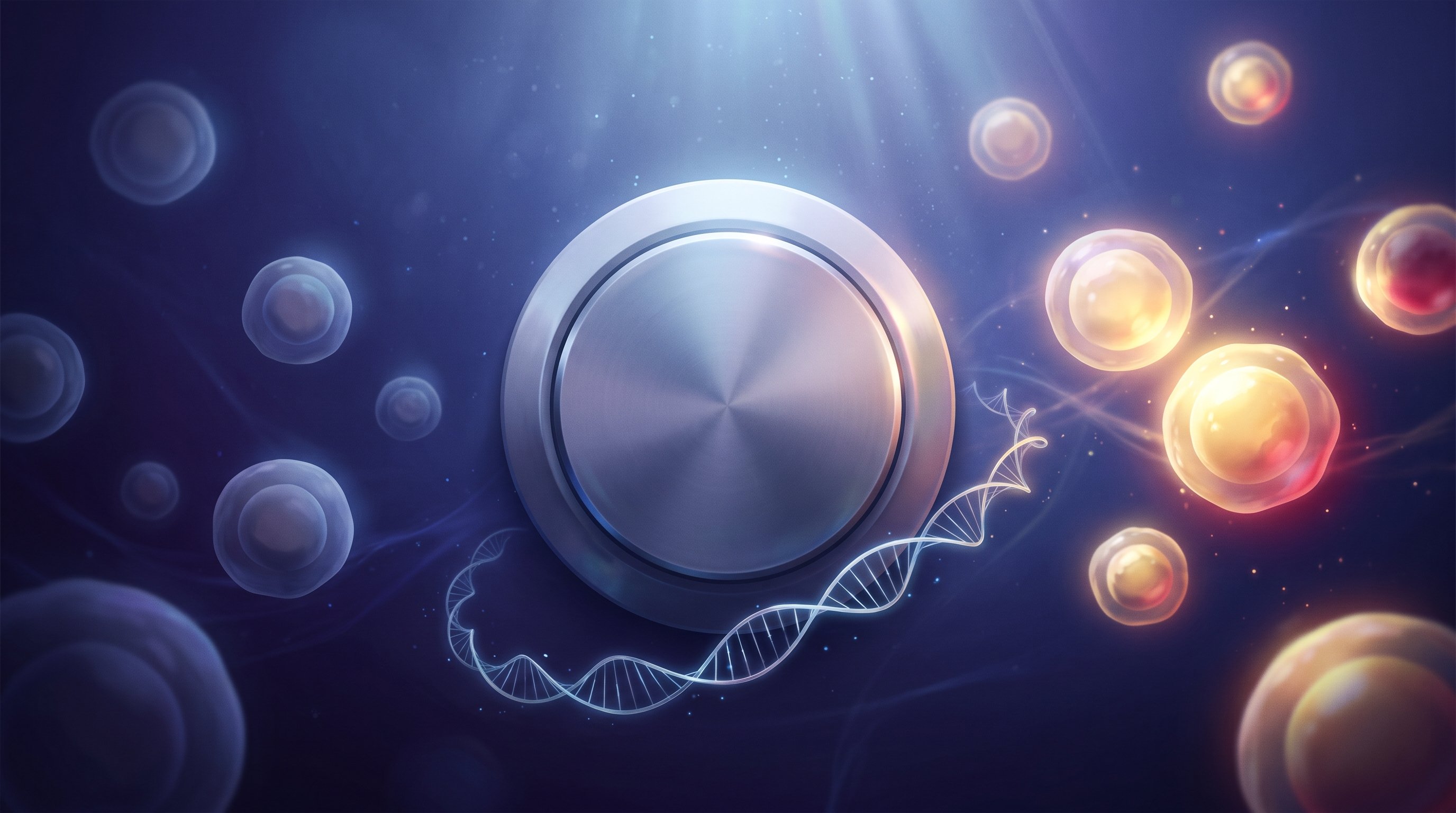
Researchers at WEHI in Melbourne have modified immune cells so that doctors can control them using two existing medications: one helps the cells grow, while the other inhibits them. The next step is a first study in humans.
-
New membrane breaks down more than 90 per cent of six types of PFAS in water
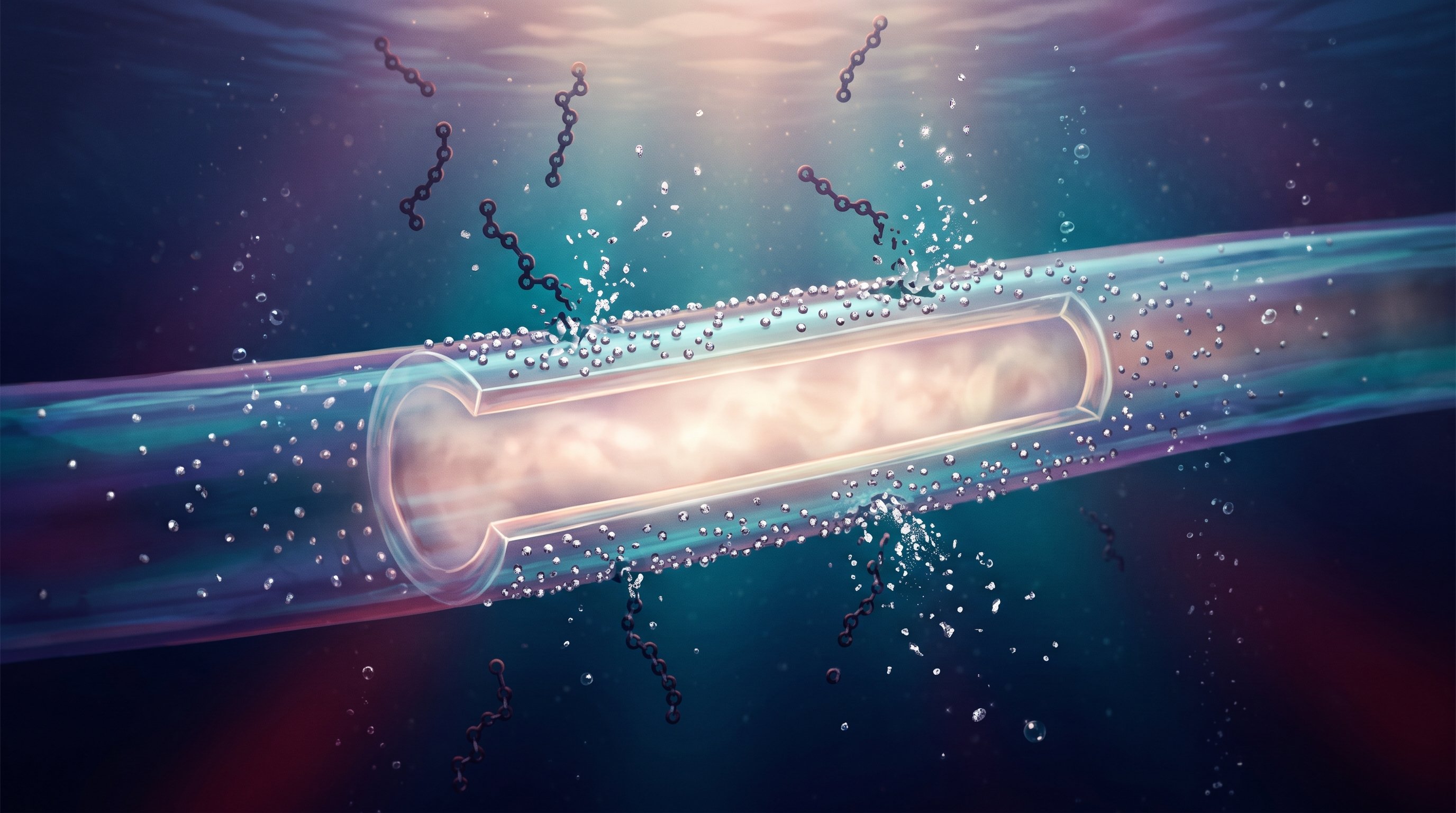
Researchers at Arizona State University do not just remove PFAS from water, they also break the substances down. Their palladium membrane kept this up for almost two months. The next step is to make the system cheaper and larger.
-
British biobank maps the immune systems of 80,000 people, as learning material for AI
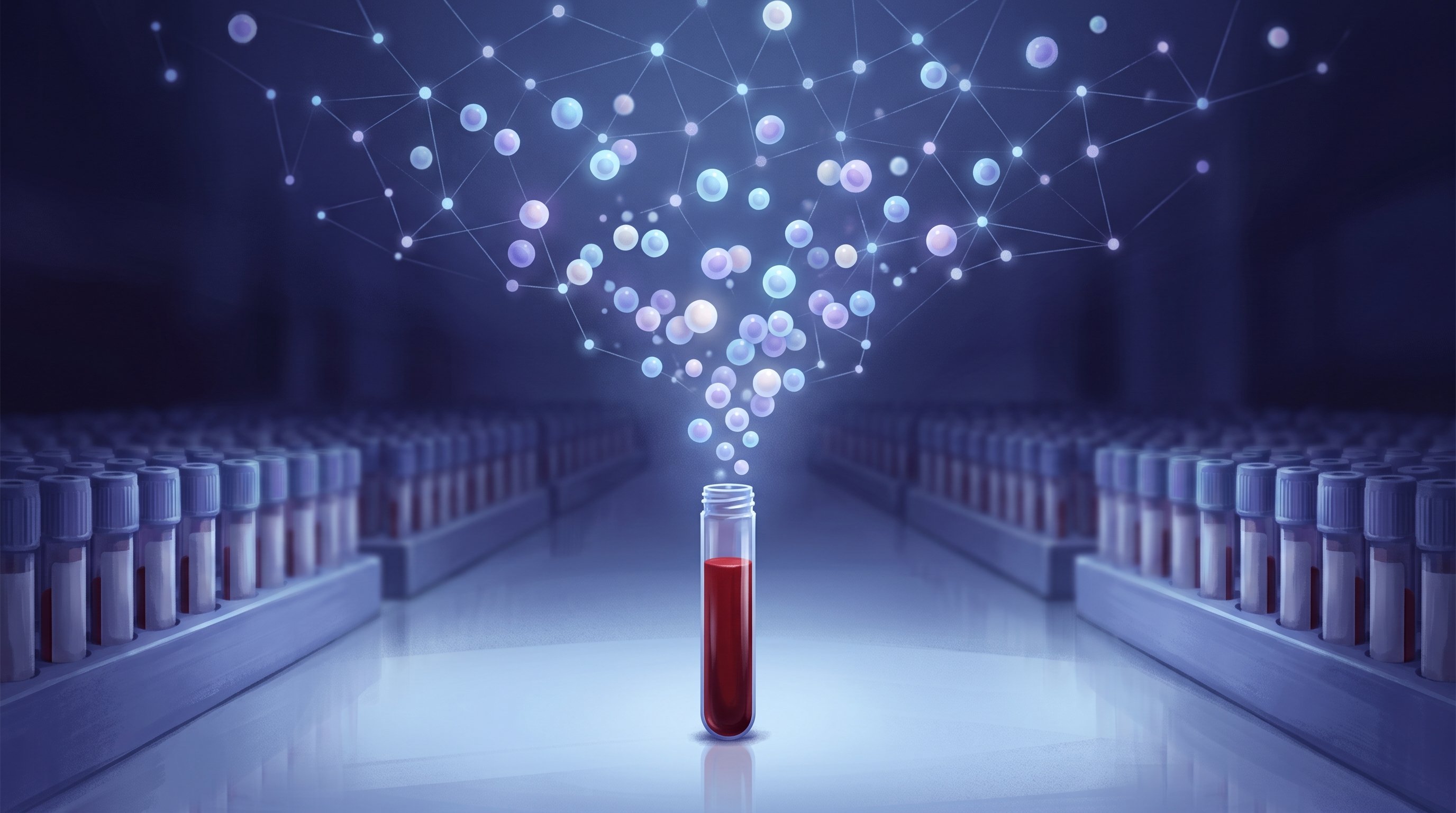
The London company IMU Biosciences will measure the immune cells in 80,000 blood samples from UK Biobank in great detail. Linked to genes and health data, this should teach AI models which changes in the immune system signal diseases such as cancer or dementia.
-
AI that knows a head is symmetrical tracks the moving head of an unborn baby during an MRI scan
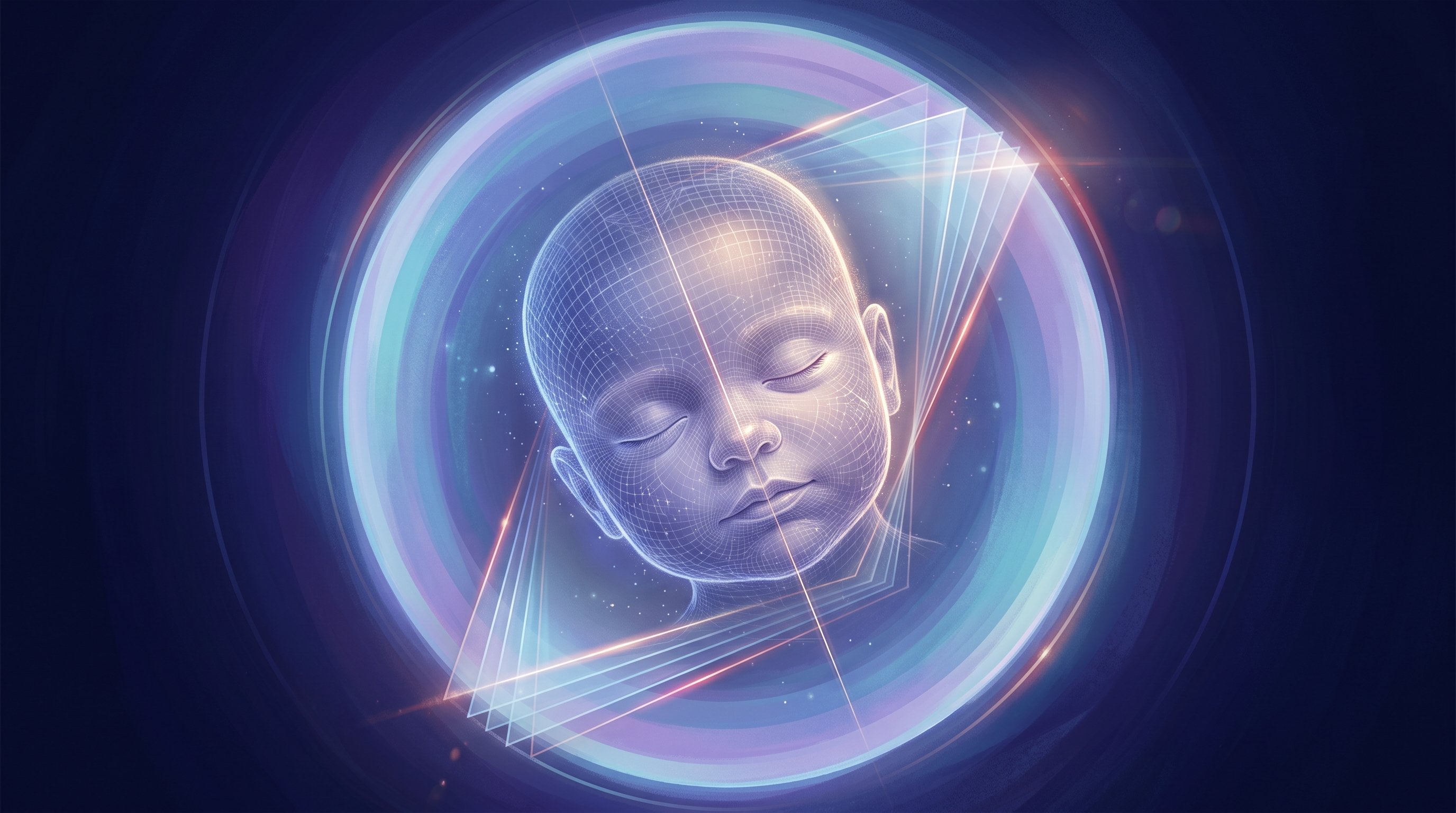
An unborn baby moves during an MRI scan, so images of the brain fail or come out skewed. Researchers at MIT and Boston Children's Hospital built an AI model that quickly tracks the position of the head. The secret: the model already knows that a head is the same on the left and the right.
-
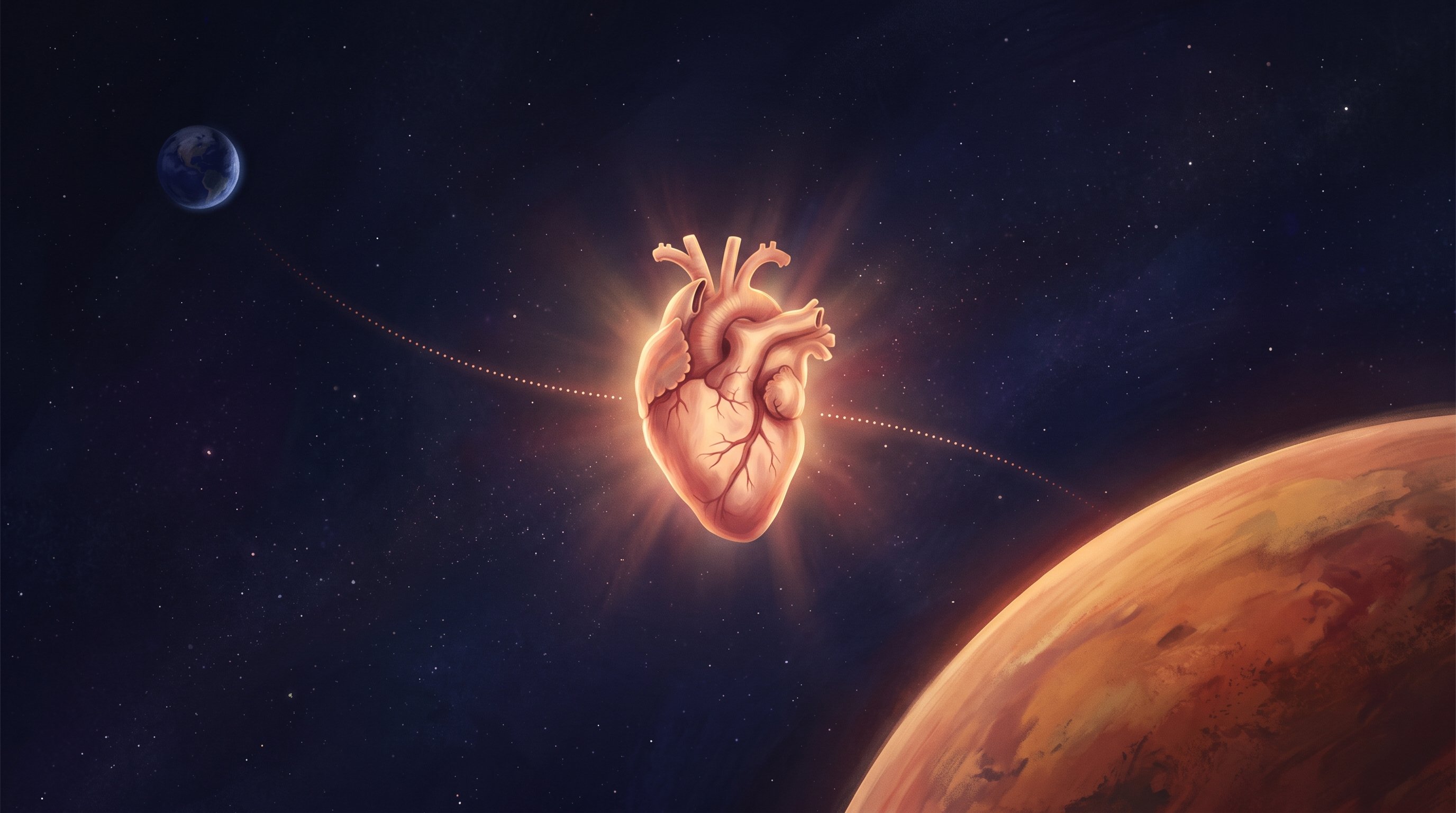
Daily exercise keeps astronauts' hearts ready for Mars
Astronauts' hearts shrink slightly in their first weeks in space, but with daily training they recover during a six-month stay. After returning, the hearts coped well with simulated Martian gravity, American researchers report.
-
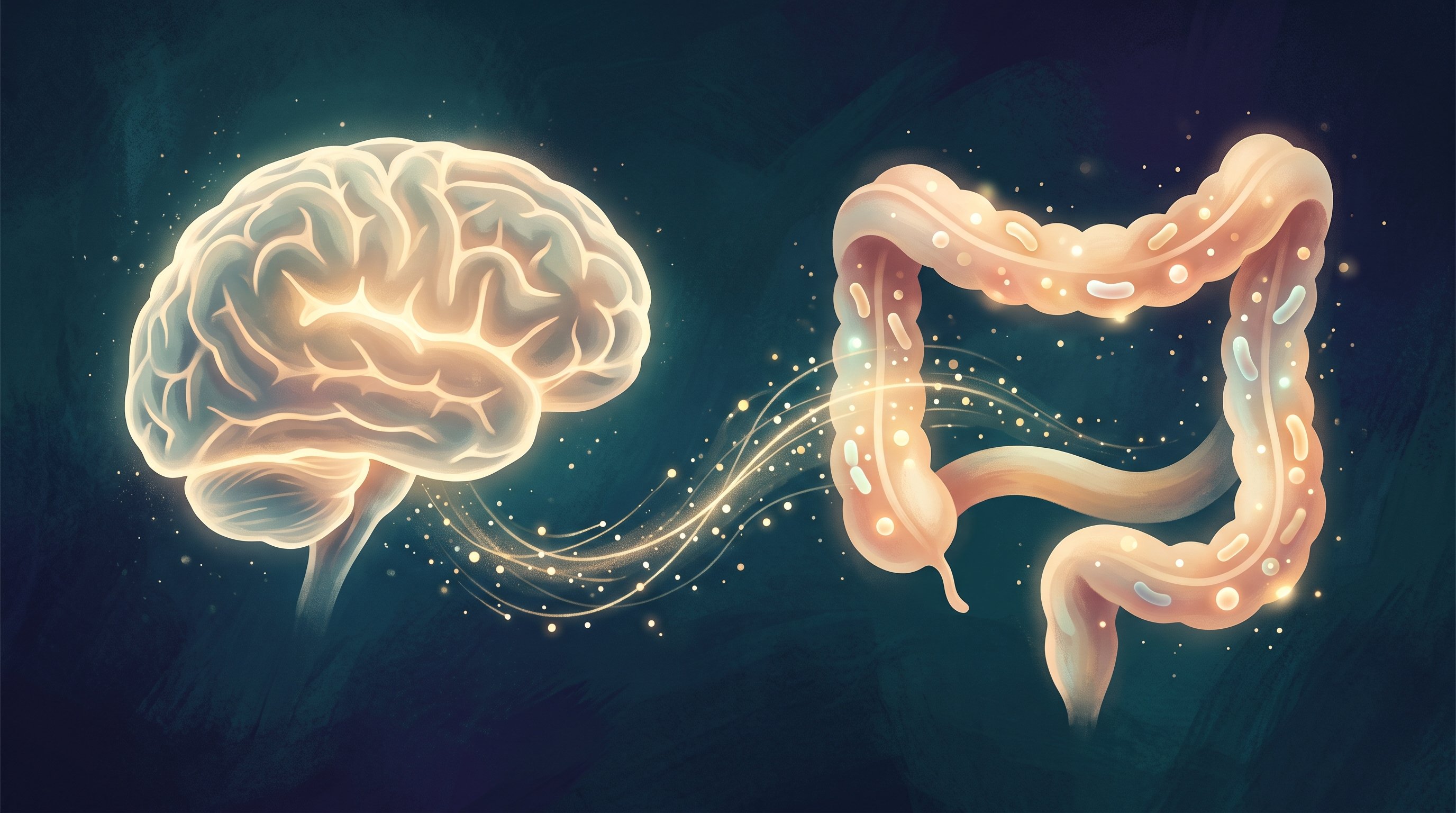
Probiotics slow an early blood sign of Alzheimer's in Korean study
In a South Korean study, older people with early memory problems took good gut bacteria or a dummy treatment every day for half a year. In the probiotics group, a blood value linked to Alzheimer's went down. Larger and longer studies now need to confirm this.
-
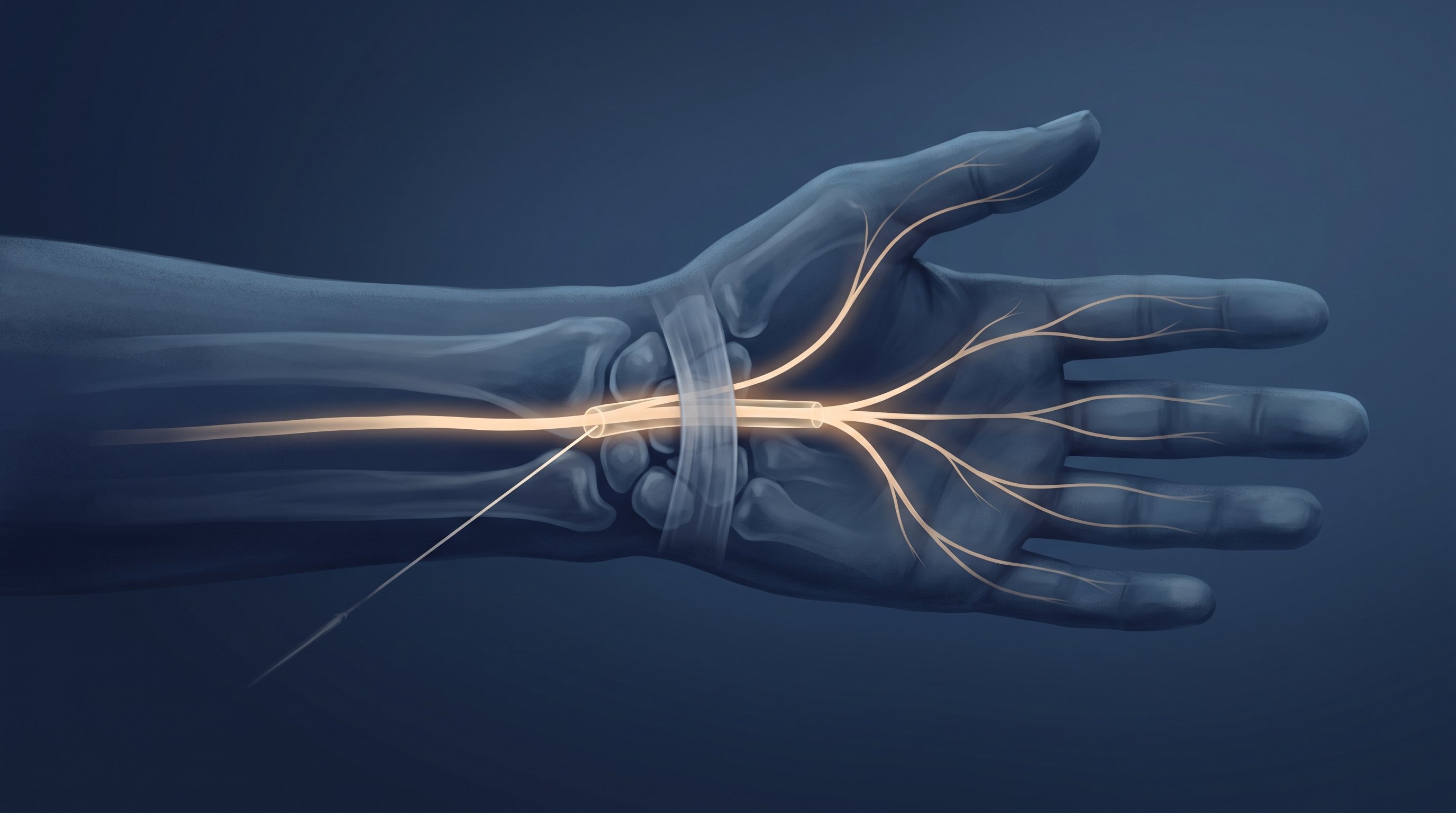
Saline injection gives longer relief from carpal tunnel syndrome than an anti-inflammatory
In carpal tunnel syndrome, a nerve in the wrist is trapped. Indian doctors freed that nerve with an injection of salt water, guided by ultrasound. After six months it was still helping, while the complaints came back after an anti-inflammatory. Larger studies now need to confirm this.
-
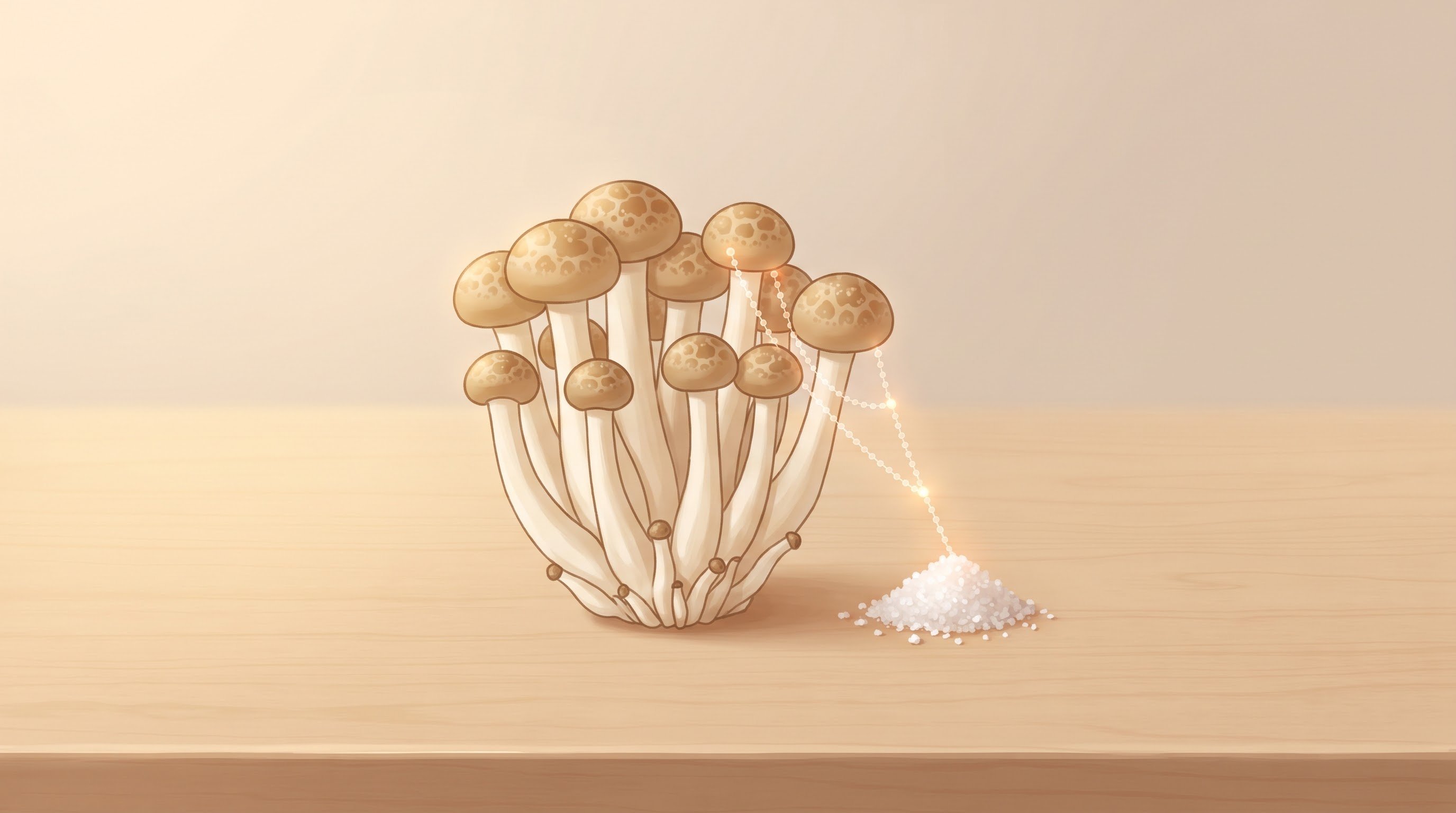
Substance from the beech mushroom makes salt taste much saltier
Chinese researchers found three small protein fragments in the beech mushroom that make salt water taste saltier, the strongest by almost 71 per cent. AI helped with the search. The next step is to test them in real food, and to find out how much salt can then be left out.
-
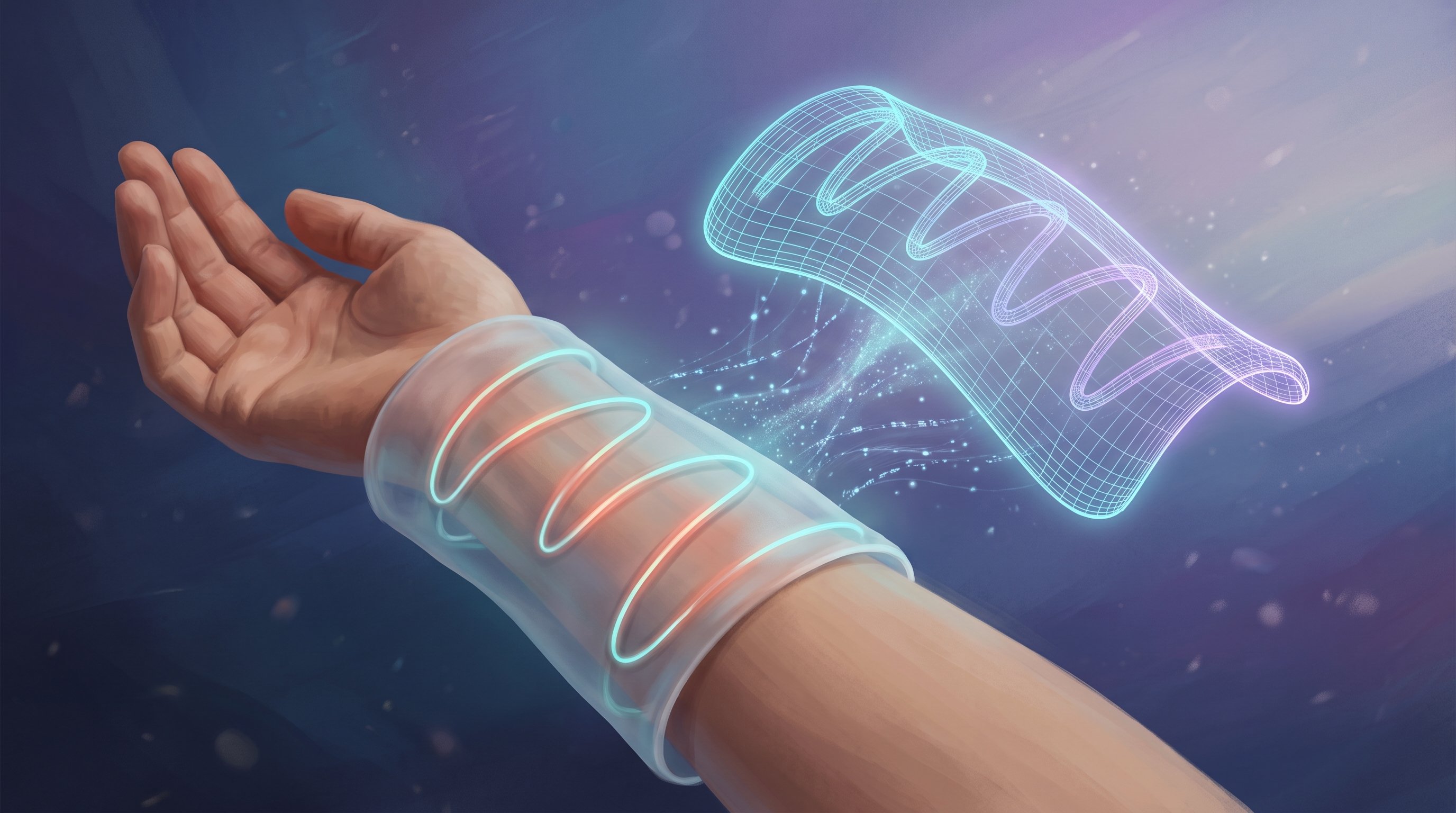
Soft sheet measures how it bends and twists
MIT researchers have made a soft, stretchy sheet with light-guiding fibres that measures how it bends and twists. A computer turns that into a 3D model, accurate to less than half a centimetre. It could later help with physiotherapy, games and robots.
-
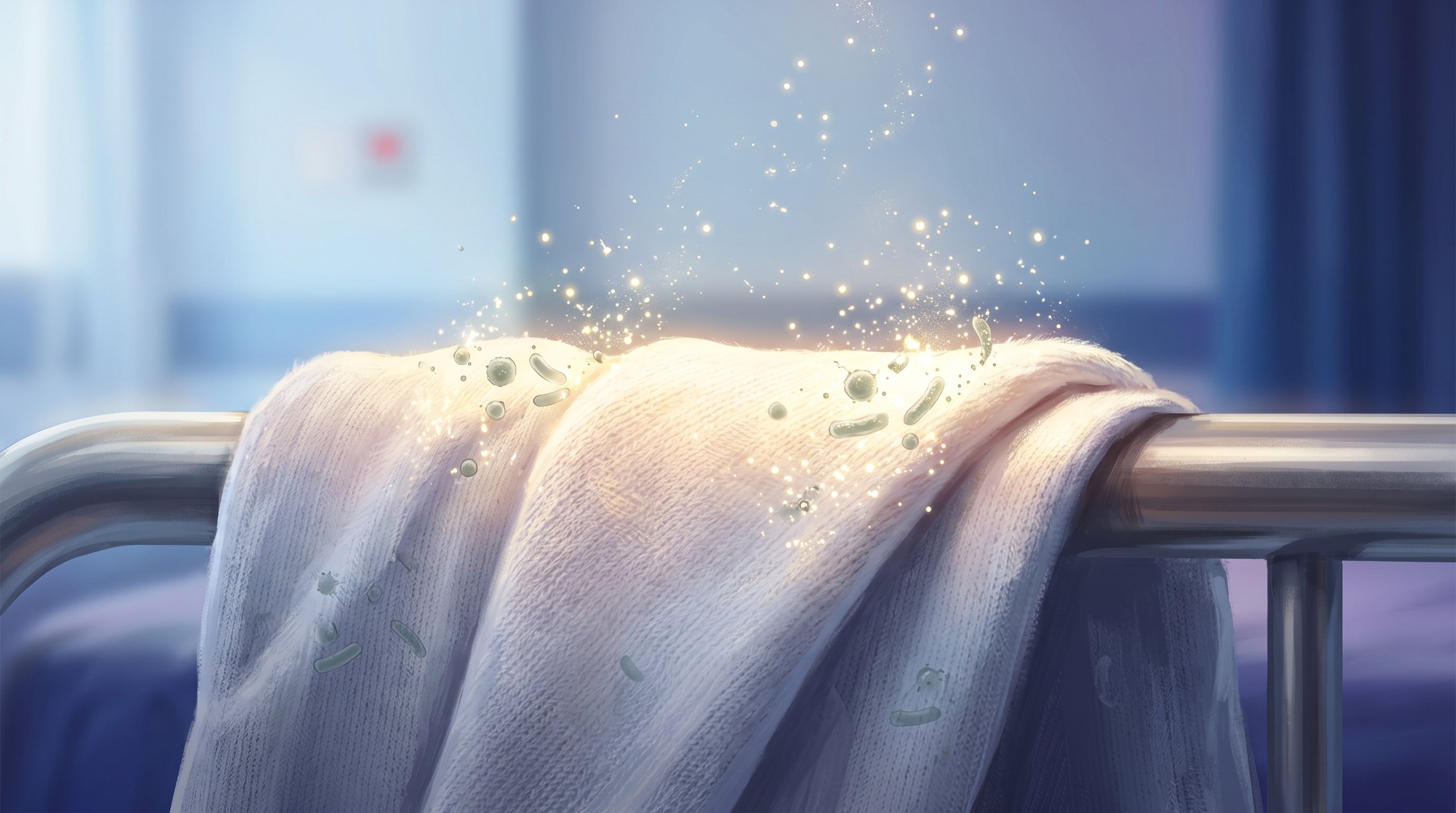
Cotton that disinfects itself with ordinary lamplight, tested in a hospital
Researchers in Valencia have made cotton that kills bacteria and fungi as soon as light falls on it. In a trial in hospital rooms, 75 per cent fewer microbes remained on the fabric than on ordinary cotton. It still works after twenty washes.
-
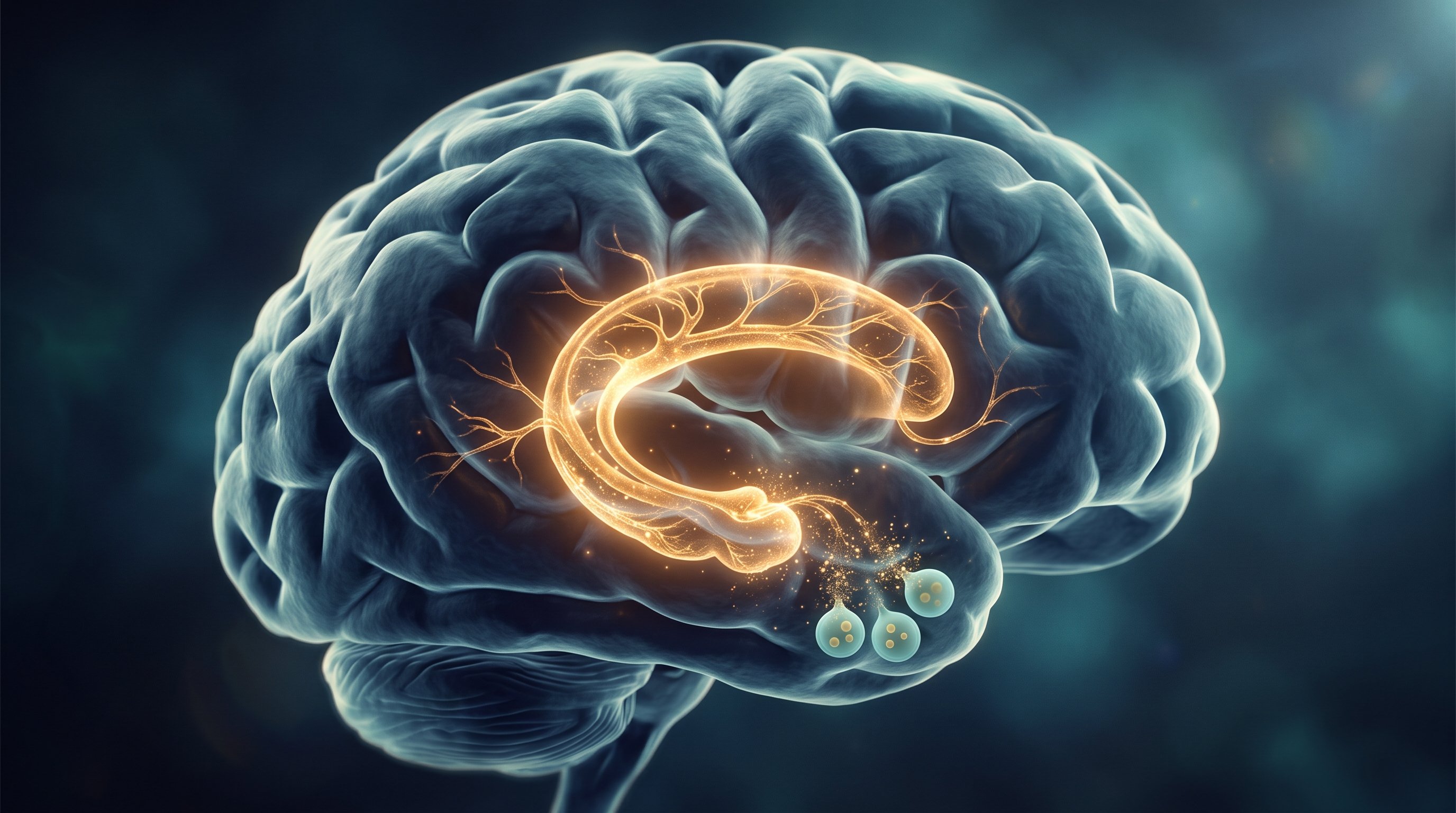
Brain enzyme helps keep memory sharp in old age
Researchers in Boston have discovered an enzyme that the brain itself makes more of as we get older, and that seems to protect memory. In old mice, an extra dose kept memory in better shape. The next step is to find out whether this can also be done safely in humans.
-
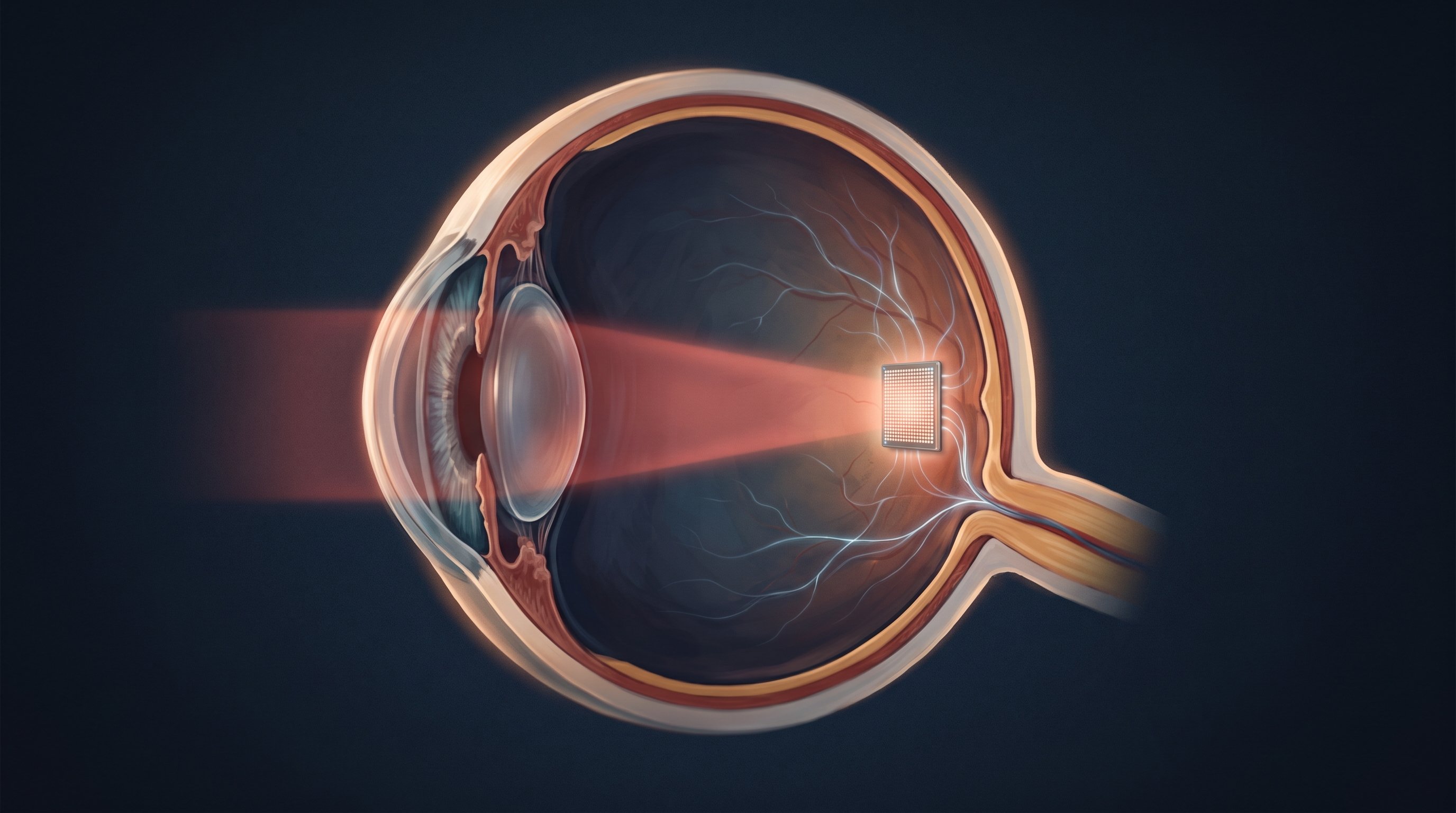
Retinal implant lets people with macular degeneration read again
Science Corporation's Prima implant has been allowed in Europe since July for an advanced form of macular degeneration. In a study, more than 80 per cent of participants could read clearly more letters after a year. In the US, the application is still under way.
-
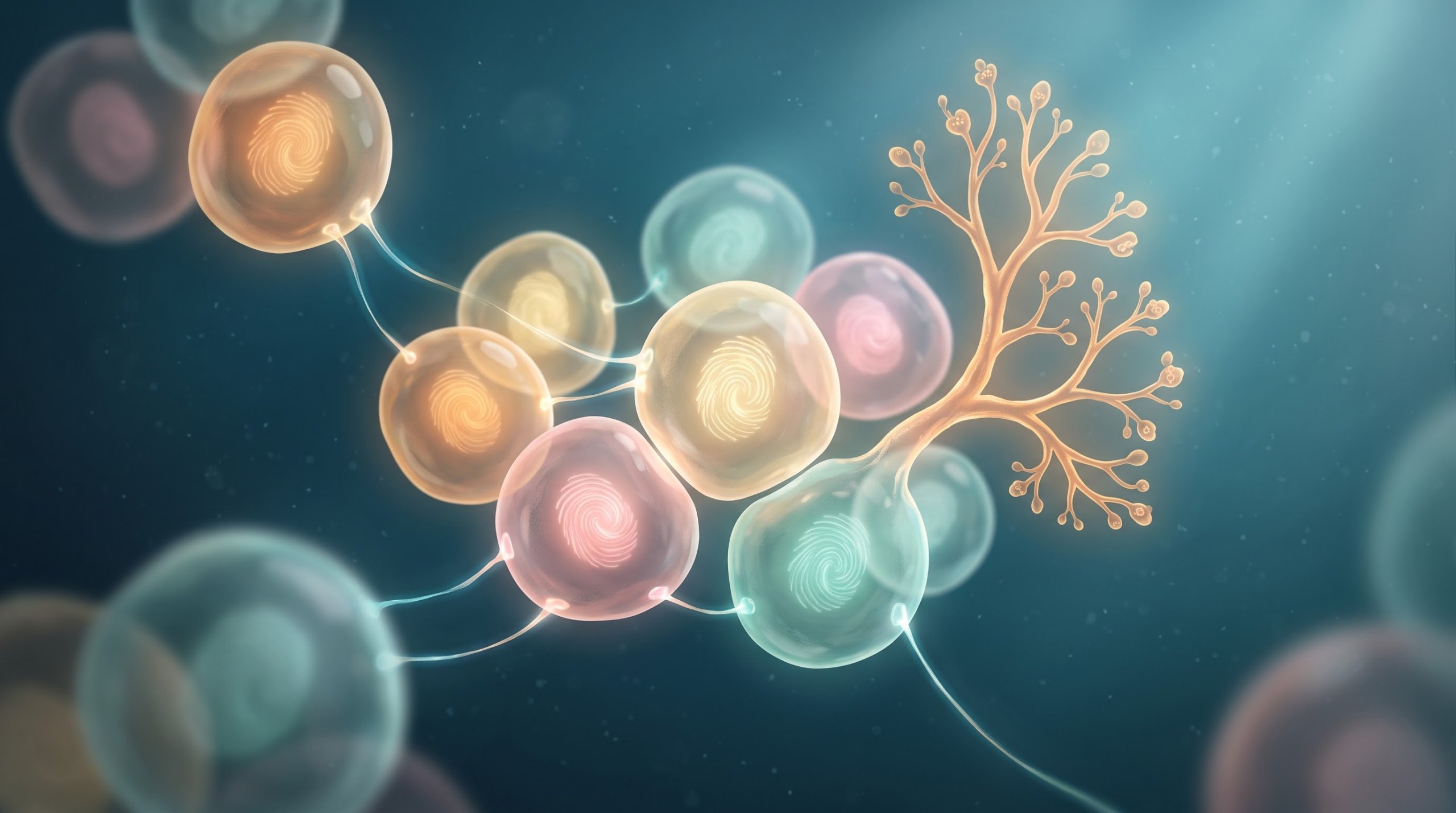
AI model IRIS reads which signals cells in an embryo have received
Researchers at MIT and the Whitehead Institute have built an AI model that can tell from a cell's gene activity which signals that cell received from its neighbours. With that knowledge, they have already improved a lab recipe for growing precursors of lung tissue from human stem cells.
-
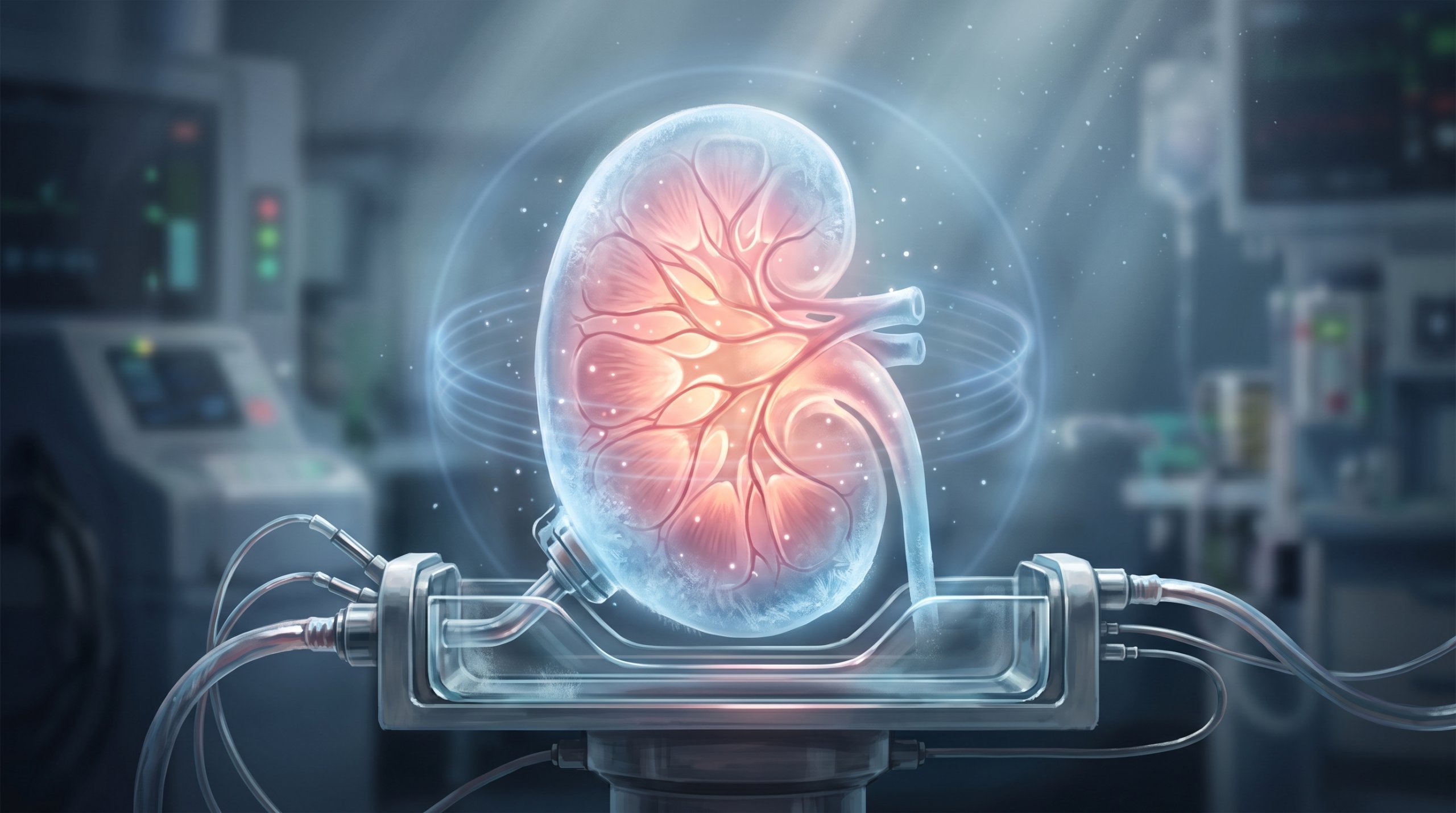
Frozen pig kidneys work again after rewarming, one even after more than a year
Researchers at the University of Minnesota stored pig kidneys at −150 °C and then got them working again: they made urine, one even after more than a year in the freezer. There was still some damage. The next step is longer trials in pigs.
-
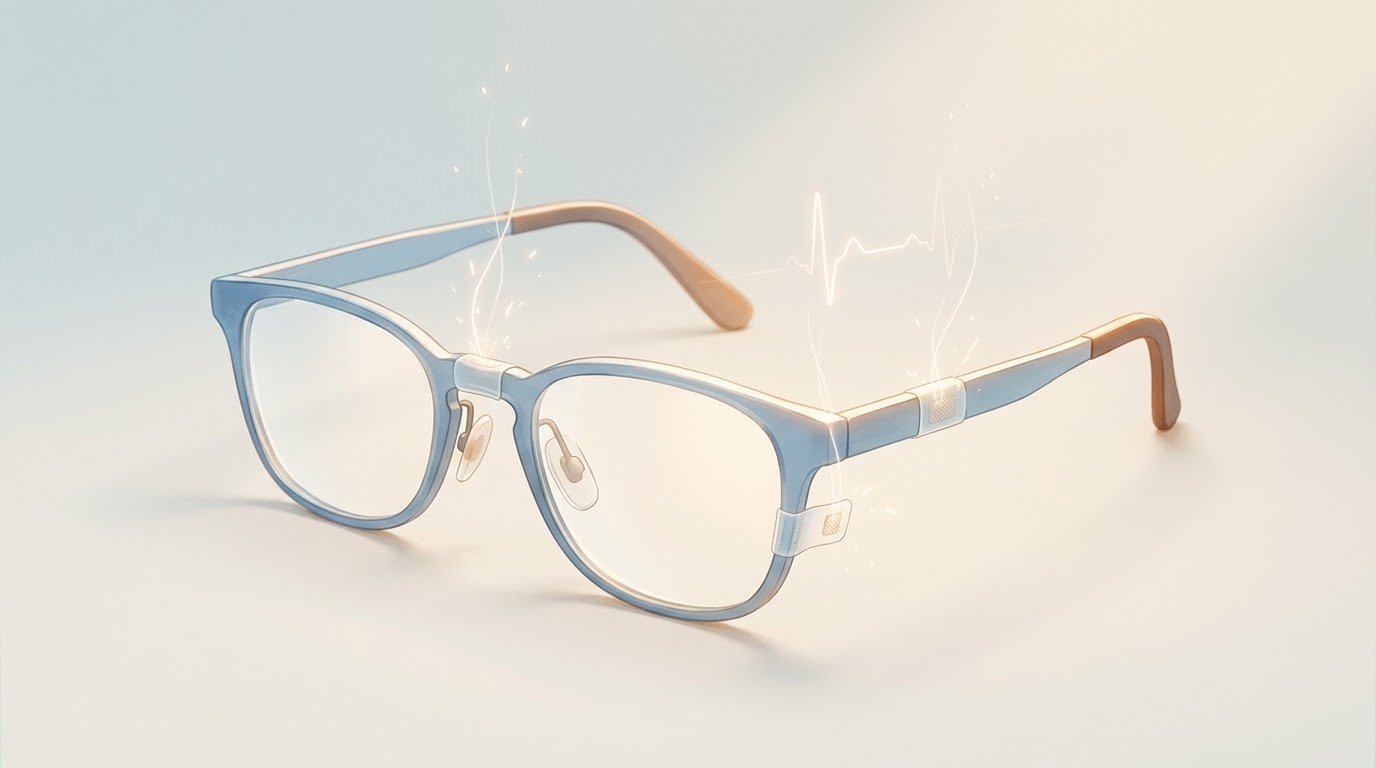
Northwestern builds glasses whose sensors generate their signal from facial movements
Researchers at Northwestern University built GlassTENG: glasses with sensors that generate their signal from facial movements. They recognise the pulse, firm blinking and jaw movements, and the readout electronics use almost no power. A battery-free version is the next step.