Nederlands
All posts
Latest news
All WATTBA posts, newest first.
-
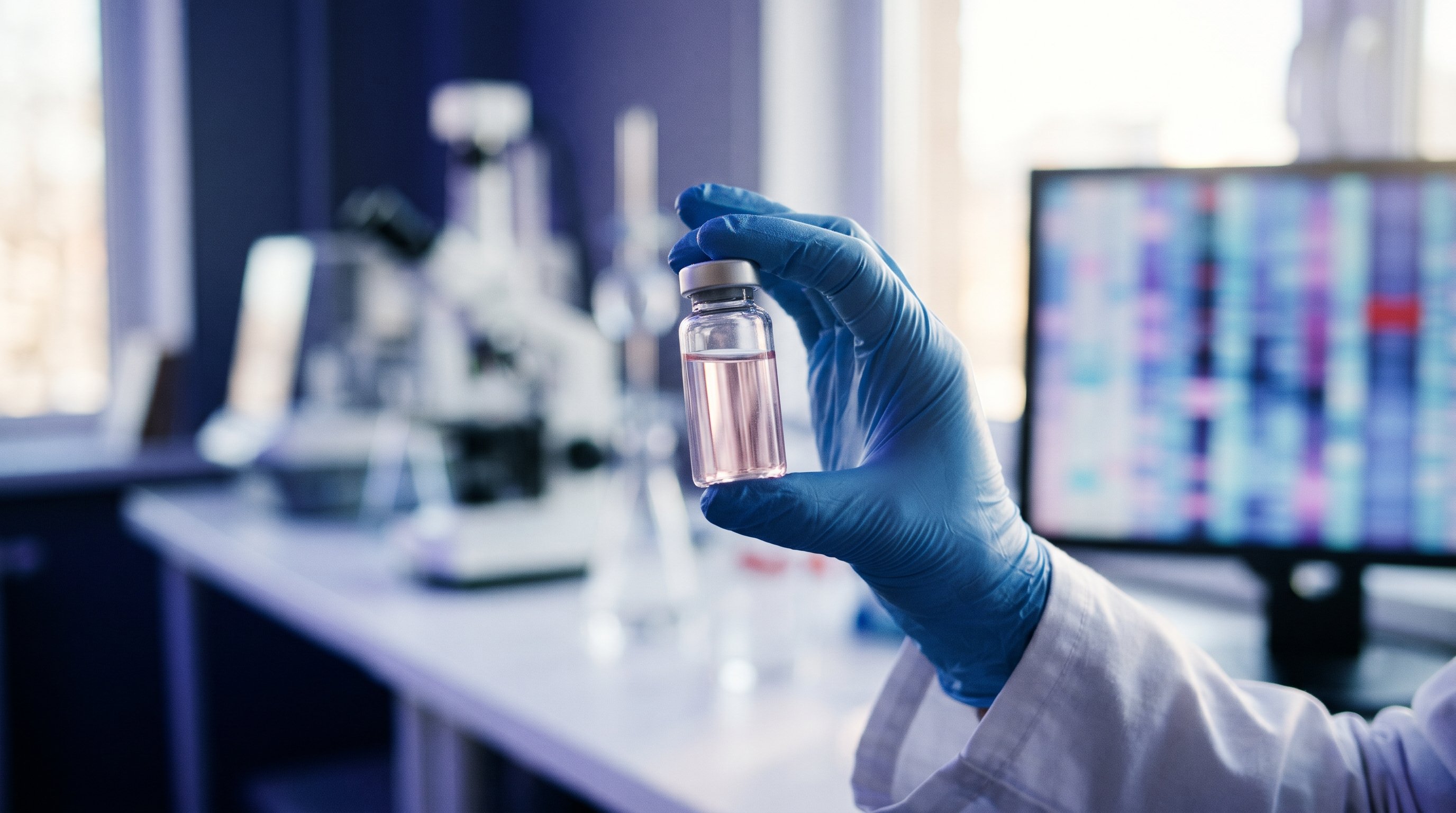
Personalised mRNA vaccine cuts the risk of melanoma returning by 42 per cent
A vaccine made to measure for each patient cut the risk of recurrence or death by 42 per cent in a large study of 1,137 people with melanoma. The full results have now been presented at the European cancer congress ESMO.
-
Microsoft AI finds the right diagnosis more often than general practitioners in a simulation
According to a Microsoft study in the journal Science, the AI system MAI-DxO found the right diagnosis in 83 per cent of difficult cases, compared with 36 per cent for doctors. A test with real patients comes next.
-
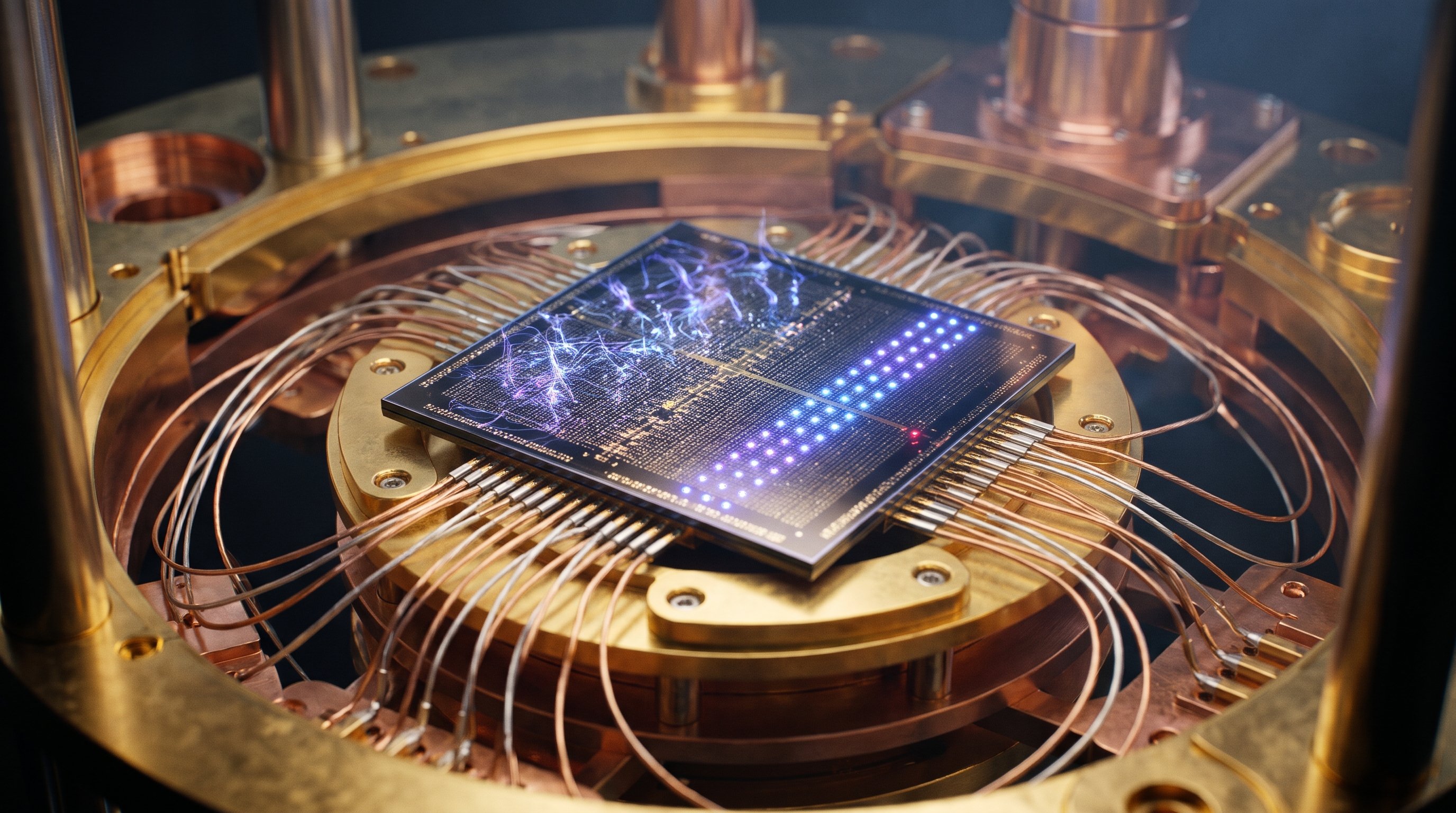
Quantum computer keeps chaos under control on 100 qubits: a step towards fault-tolerant computing
Researchers from Rutgers, IBM and other institutions had a quantum computer check and correct itself thousands of times while it was computing. It is not yet a working fault-tolerant quantum computer, but it is an important building block for one.
-
Hugging Face releases open AI model that lets researchers 'talk' to DNA
With Hugging Face's Carbon-X, researchers paste a piece of DNA into a chat and ask in plain language whether a change is likely to be harmful. The model is free and runs on a researcher's own computer. It is meant for research; the next step is testing in the lab.
-
10-dollar light sensor from Cambridge can recognise substances in skin, food and plastic
Researchers at the University of Cambridge made a spectrometer on a chip of a few centimetres, for about 10 dollars. It recognises substances by the light they absorb. In one volunteer it tracked blood sugar without a finger prick; the next step is testing in more people.
-
No need to take the AI's word for it: Claude delivers a mathematical proof for software
How do you know whether an AI's work is sound if nobody can read it all? Anthropic has Claude supply a mathematical proof that a small program checks step by step. This way Claude examined 123 widely used software building blocks and found hundreds of hidden bugs.
-
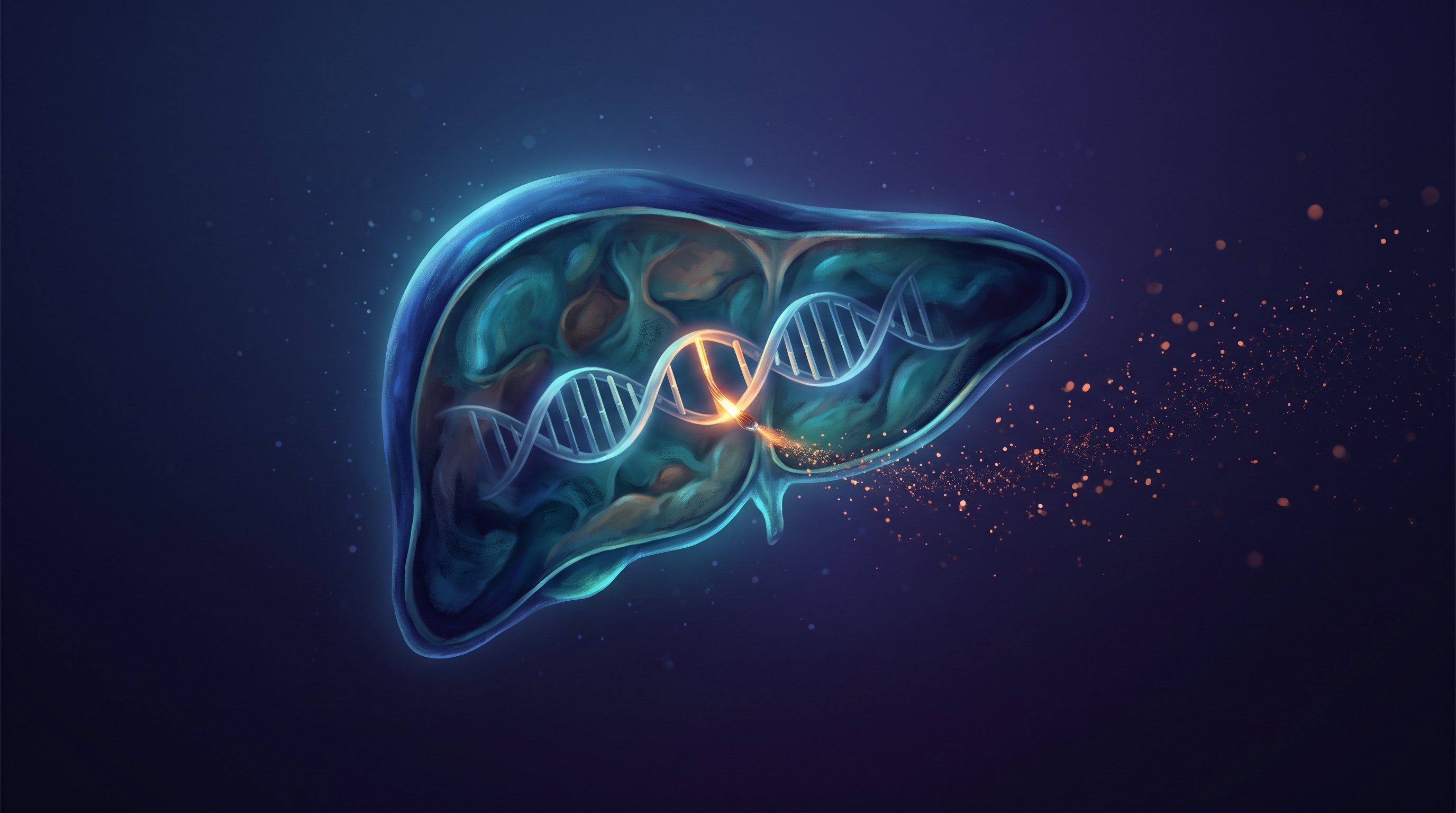
Precise DNA correction used inside a patient's body for the first time
Prime Medicine has for the first time treated a patient with prime editing directly inside the body. A single infusion is meant to repair a DNA error in the liver in Wilson's disease, an inherited copper disorder. The study has just begun; first results are expected in 2027.
-
AI designs molecular scissors that cut disease proteins at a chosen spot
The lab of Nobel laureate David Baker used AI to design enzymes that cut other proteins at a preselected position, including the protein that clumps together in Alzheimer's disease. Some of those enzymes also work in living cells.
-
Anthropic tests Claude Duet, an AI assistant that comes to you with tasks itself
With Claude Duet, the AI assistant does not wait until you ask: it sends a summary in the morning, keeps an eye on your apps and keeps working when your laptop is off. You approve important steps yourself first. The test version has been available to paying users in the US since 21 October.
-
Nvidia lets AI agents do only what is allowed, and checks the rules in advance with mathematics
Nvidia presents OpenShell: free software that lets AI agents work in a sealed-off space. A mathematical check looks in advance at whether the rules allow more than intended, and according to Nvidia a separate chip can stop an agent within milliseconds.
-
Nearly 2,000 AI agents from OpenAI work through an atlas of 7.7 million brain cells in 32 minutes
OpenAI had nearly 2,000 AI agents work at the same time on one large dataset of mouse brains. In 32 minutes they came up with explanations and new research ideas, work that would take people months. The next step is to test the best ideas in the lab.
-
Breakthrough in hepatitis B: first medicine that lets 1 in 5 patients stop taking pills
In the United States, a medicine has now been approved that can 'functionally' cure chronic hepatitis B in some patients. After six months of injections, the virus stayed under control in about 1 in 5 participants, even when they stopped all medication.
-
Free coding model for the laptop was largely developed by AI itself
The AI company Recursive has released Flint, a free AI model that helps with programming and runs on an ordinary laptop. According to the company, its own research AI did a large part of the work: a first step towards AI that improves itself.
-
Quantum computer catches its own errors so well that only 5 in a million remain
Quantinuum's Helios quantum computer set a new record in error correction: on average, something went wrong five times in a million checking rounds. That is ten times better than the previous record. The next step is to show this for more complex calculations too.
-
Unitree has humanoid robot do kung fu and lift cars as a bodyguard
The Chinese robot maker Unitree shows the H2-X, a humanoid robot that fights, jumps and lifts a car to rescue someone. It is mainly a demonstration of what the underlying H2 platform can do; there is no price or sale date yet.