Nederlands
All posts
Latest news
All WATTBA posts, newest first.
-
AI model designs working proteins from a sentence in plain language
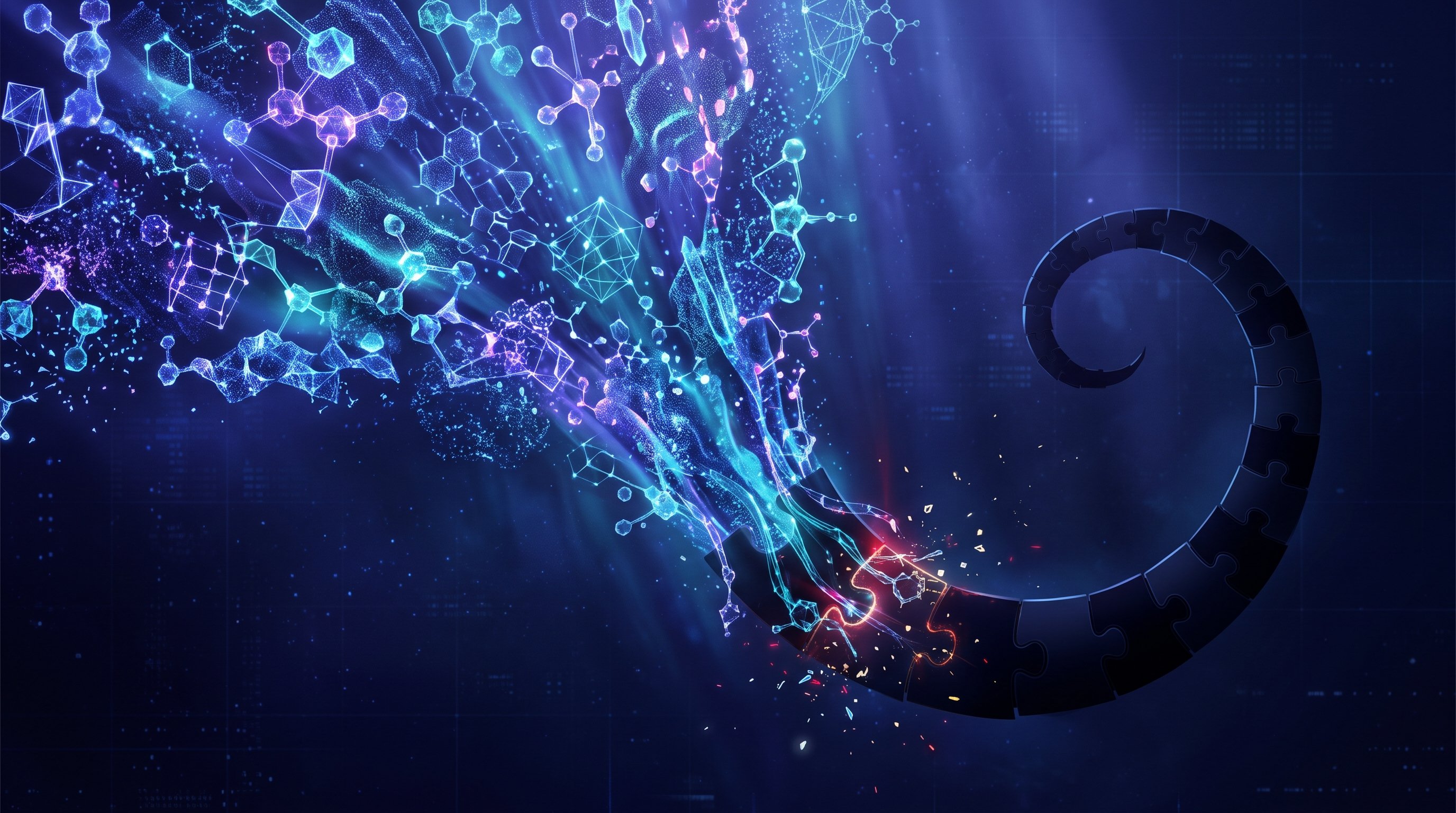
Researchers in China have built an AI model that designs proteins from a description in plain language. In four trials, the result actually did what was asked of it: give off light, break down plastic, convert alcohol and help capture CO2.
-
Claude designs proteins against scorpion venom in 64 hours: 17 bind to their target in the lab
A research version of Claude designed over 318,000 small proteins against five scorpion toxins in 64 hours. Two labs made 211 of them, and 17 bound firmly to their toxin. It is not yet an antidote, but it is a first step.
-
MIT researchers' glue sticks to wet tissue in seconds and could soon replace stitches
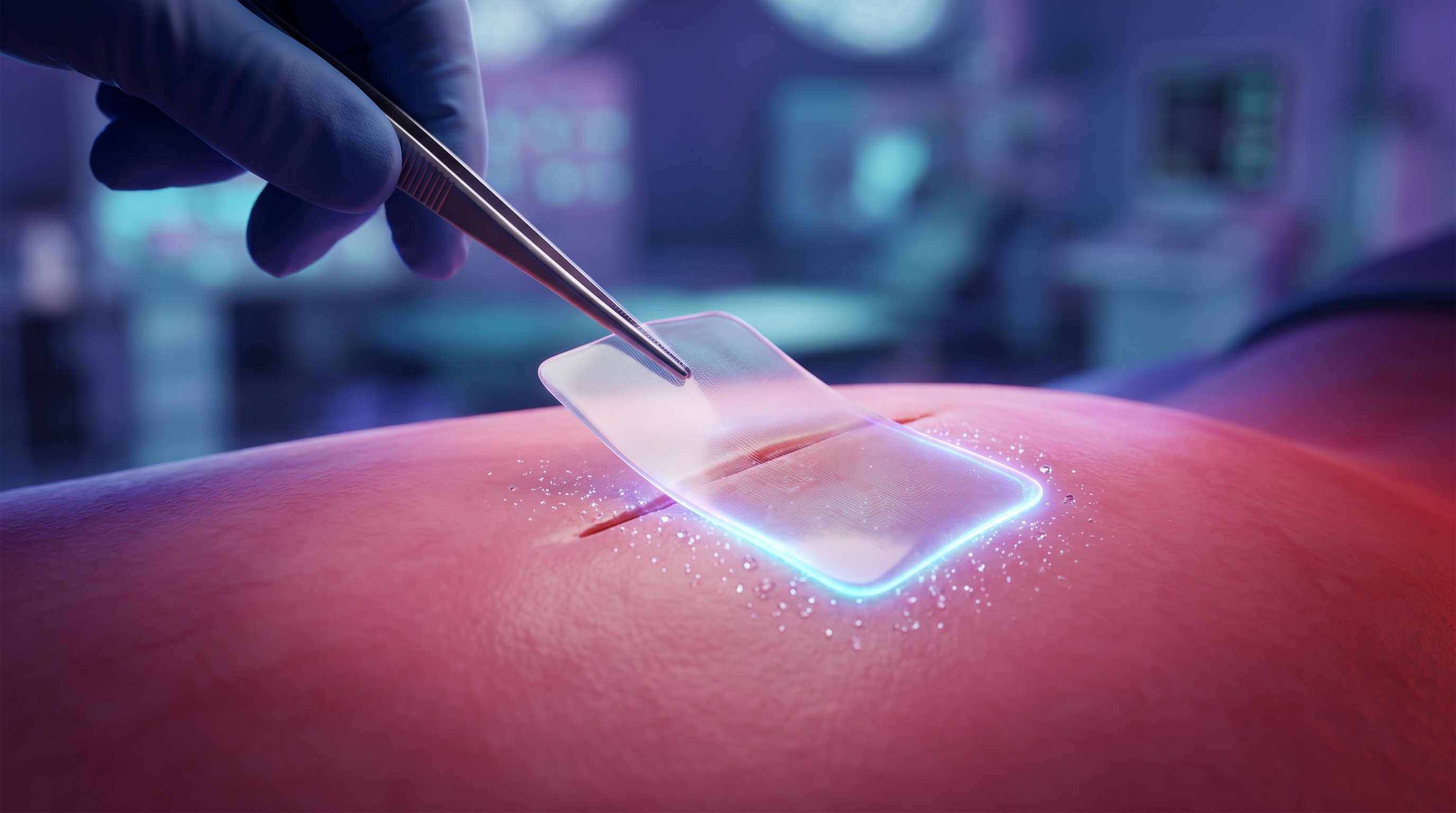
The company SanaHeal, an MIT spinout, makes a glue that sticks to wet and bleeding tissue within a few seconds. According to MIT it is already approved for stopping bleeding after accidents. Next year, trials in people during surgery will begin.
-
AI model trained on almost four million fossils sheds new light on the great mass extinctions
Chinese researchers trained an AI model on almost four million fossils. It maps the history of life in unprecedented detail and suggests that three of the five great mass extinctions happened more gradually than thought. Other palaeontologists are somewhat more cautious.
-
Laser flash turns plastic into trillions of tiny diamonds
German physicists fire a powerful laser at a thin sheet of the plastic that soft-drink bottles are made of. Each flash produces about 10 trillion tiny diamonds averaging 3 millionths of a millimetre, almost all the same size. The next step is making enough of them to work with.
-
Antibody keeps immune cells out of the brain and slows Alzheimer's damage in mice
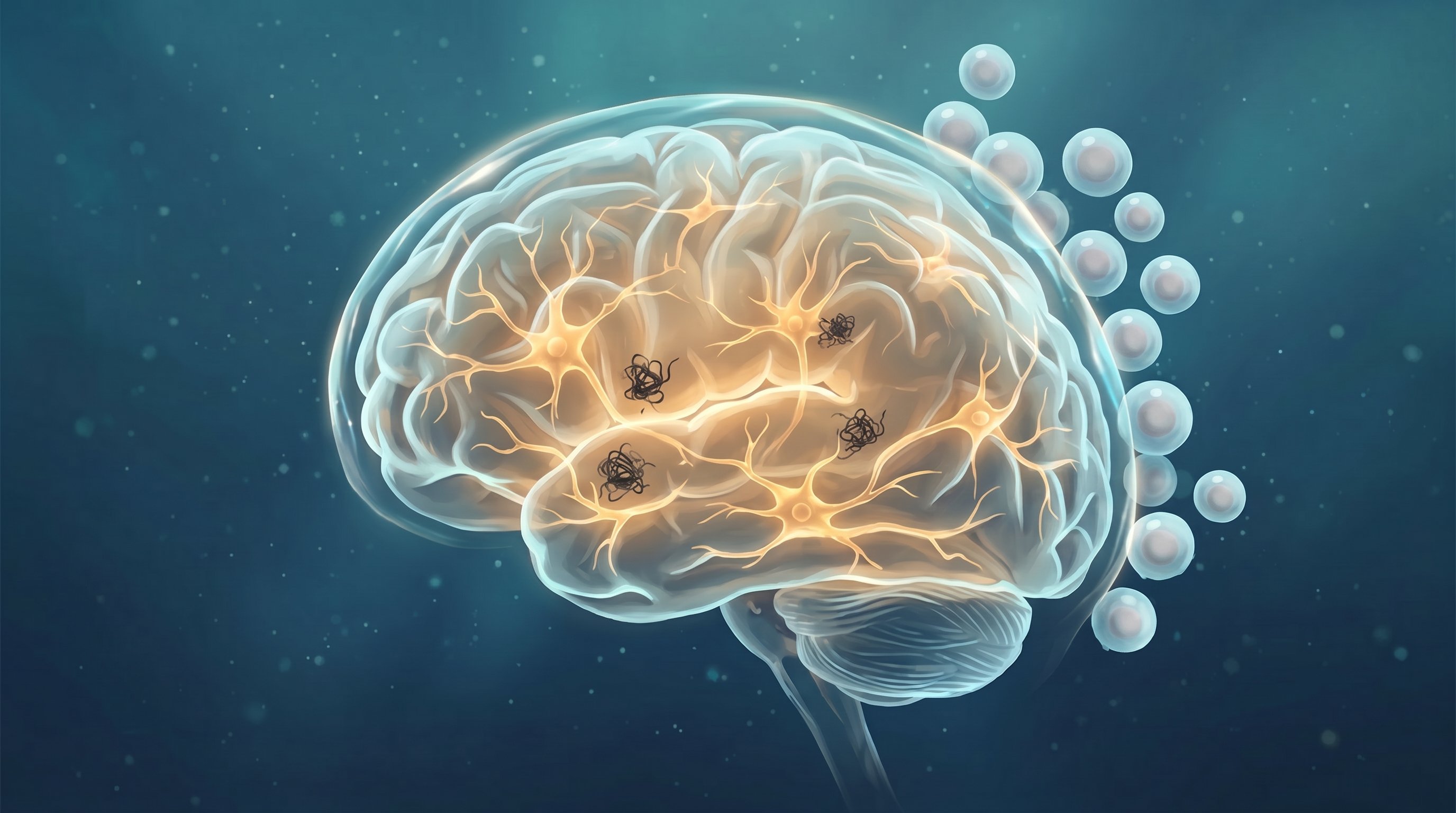
Researchers in St. Louis blocked the route immune cells take into the brain in mice. The mice kept about 40 per cent more brain tissue and remembered better, while the harmful protein tau simply stayed in place. The next step is finding out whether this can be done safely in people.
-
Mistral releases new speech models that understand all official EU languages
The French AI company Mistral has released Voxtral 3: AI models that turn speech into text and read text aloud, plus software to build a voice assistant with them. They work in more than fifty languages, including all 24 official EU languages, and can also run on a company's own servers.
-
A different order makes AI servers start answering more than three times faster
Engineers from Amazon and Mistral have made the open software vLLM, which many companies use to run AI models, work together more cleverly. With long questions, the first word of the answer appeared more than three times faster in their test. The new method is free to use.
-
Bacteria in forest soil eat bioplastic with a 'Pac-Man enzyme' that also disarms penicillin
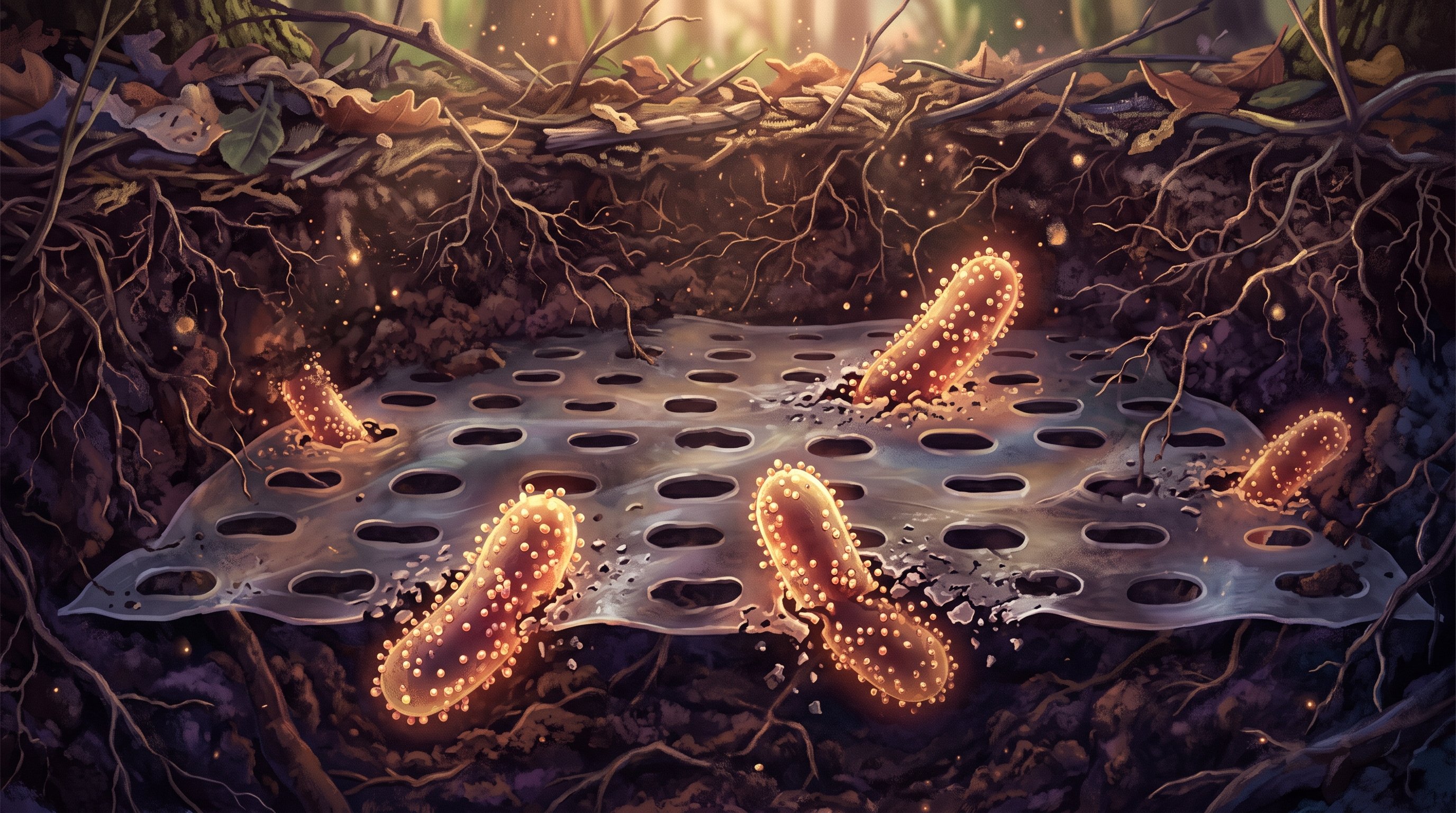
Researchers at the University of Konstanz buried bioplastic in forest soil and found the enzyme bacteria use to eat it. That enzyme also turns out to make penicillin harmless. The discovery helps with better biodegradable plastic and with research into resistance.
-
Forgotten neutrino may have changed how matter won out over antimatter
Physicists from Southampton and Kanpur calculated that a heavy particle almost nobody looked at may have made the young universe expand differently. That changes the calculation behind a great mystery: why matter was left over after the Big Bang. New detectors can partly test the idea.
-
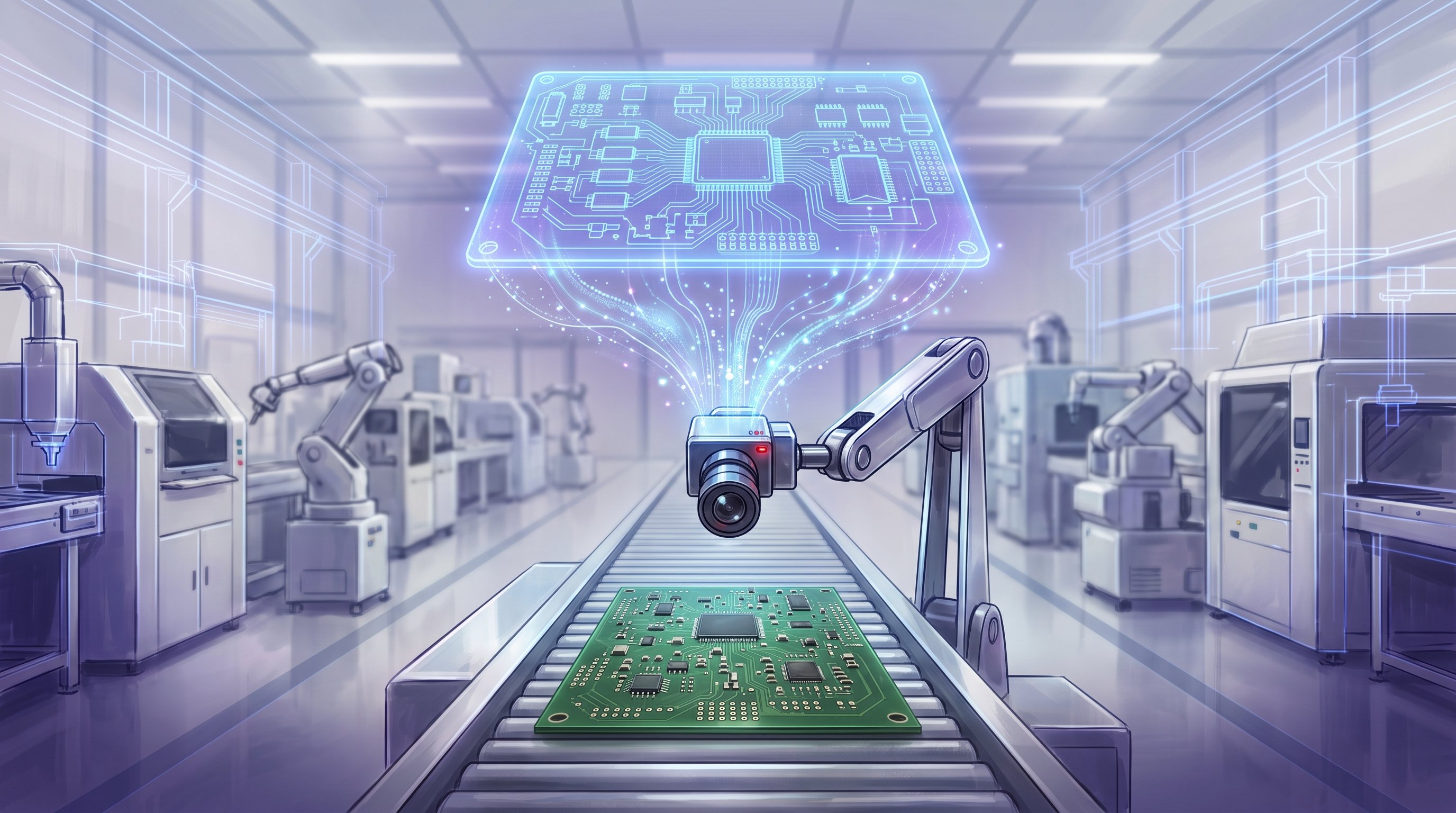
Siemens factory in Erlangen teaches AI cameras to inspect with simulated photos, before a prototype exists
In a German electronics factory, Siemens and Nvidia let AI prepare the production of new circuit boards with a digital copy of the factory. According to Siemens, this saves up to 85 per cent of the preparation work. It is a first step towards a factory that adjusts itself.
-
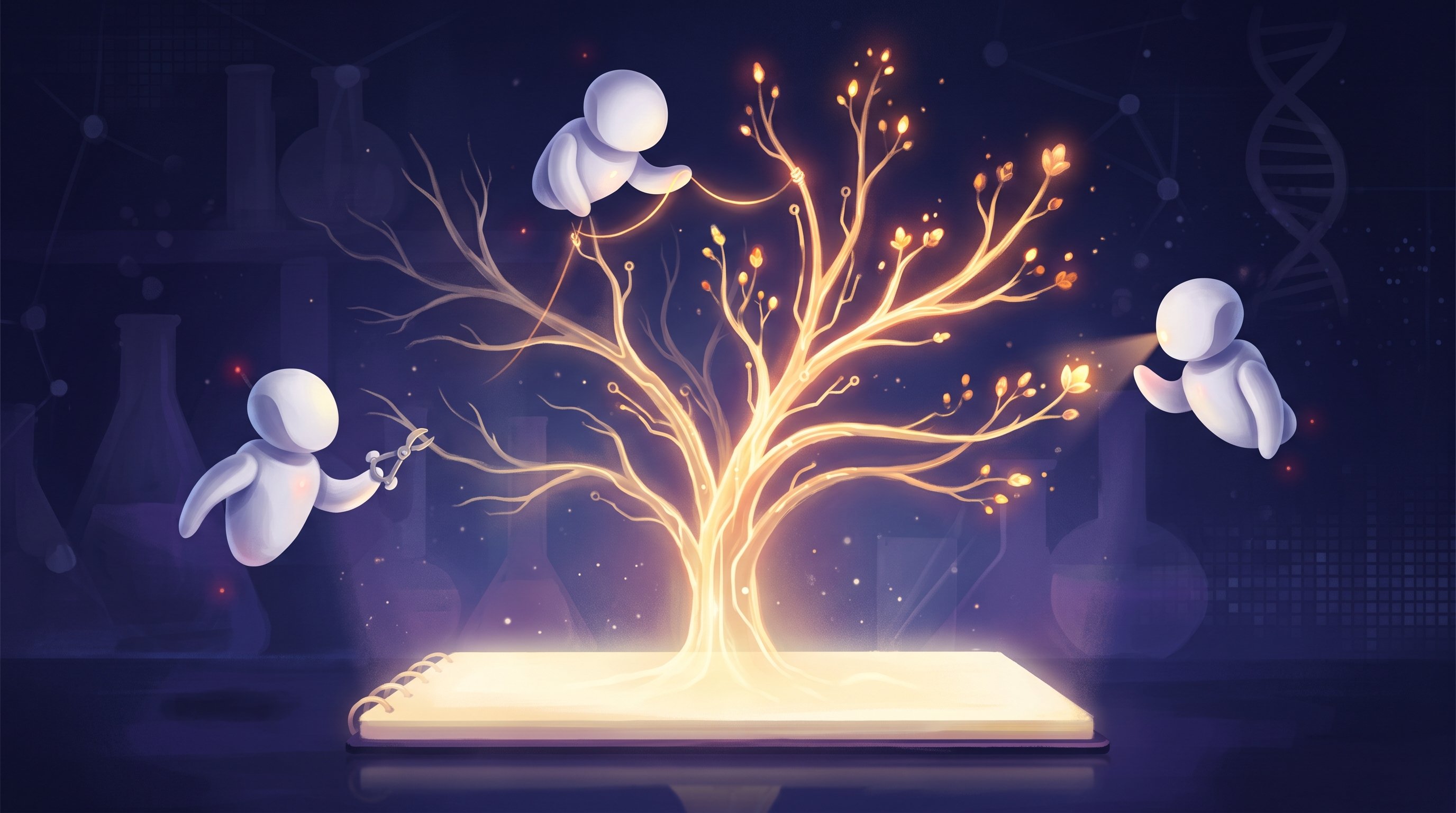
AI researcher learns from its own work and comes up with better and better hypotheses
The young company PhAI Labs built a team of AI agents that comes up with research ideas, tests them and keeps track of what worked. The system learns from that record, and its hypotheses improved after two rounds. The code and model are publicly available online.
-
Large open AI model from DeepSeek now fits on a computer with 128 gigabytes of memory
DeepSeek's new open AI model is too big for an ordinary computer. The company Unsloth made a heavily reduced version that runs on a powerful laptop or mini computer with 128 gigabytes of memory. This costs some accuracy.
-
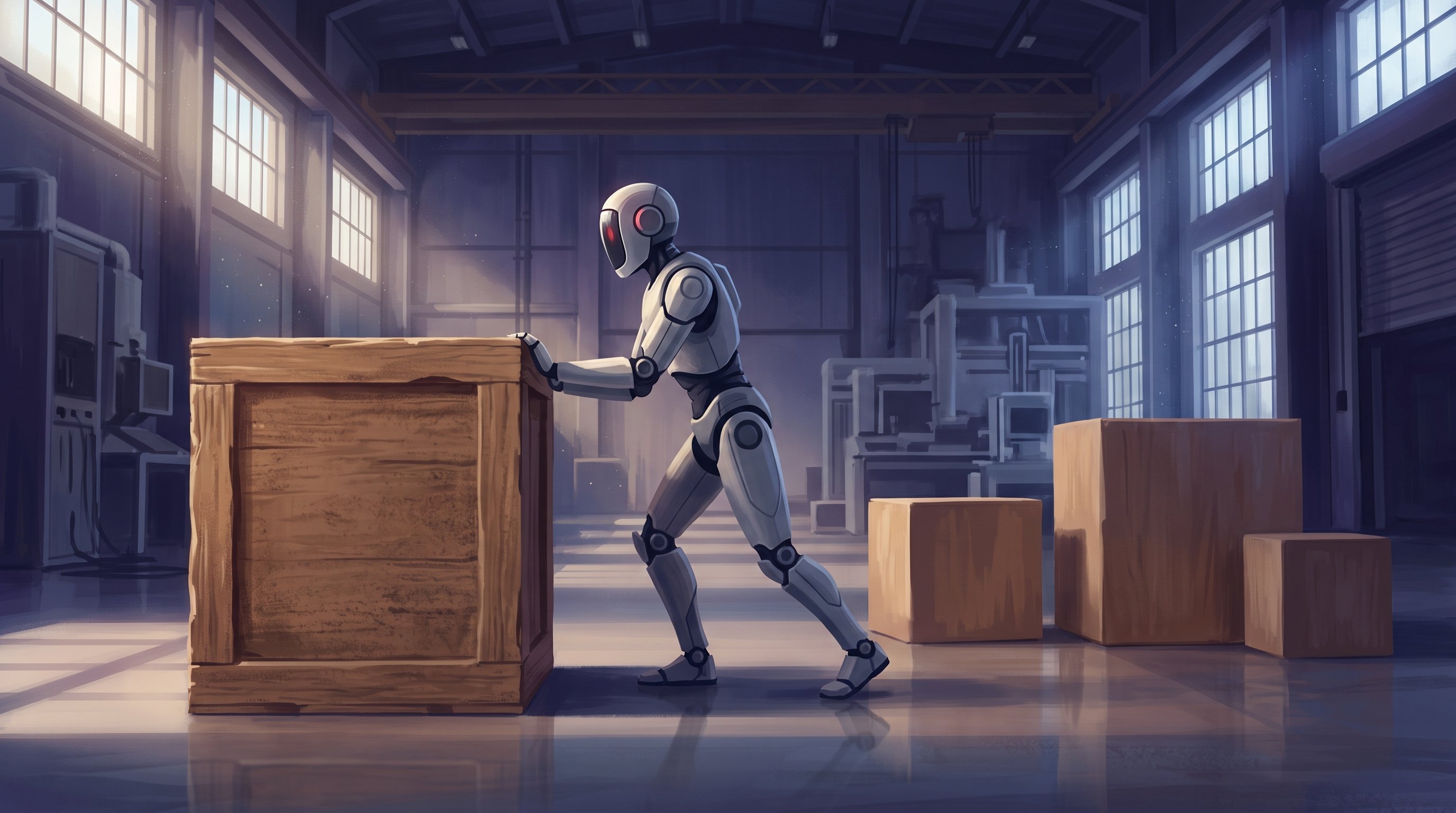
Humanoid robot from South Korea pushes 35 kilos and lifts 20 kilos while walking
Researchers at KAIST in South Korea had their humanoid robot push objects of up to 35 kilos and lift up to 20 kilos while walking. Legs and arms are controlled together by a single AI system. It is a demonstration in the lab; more tests will follow.
-
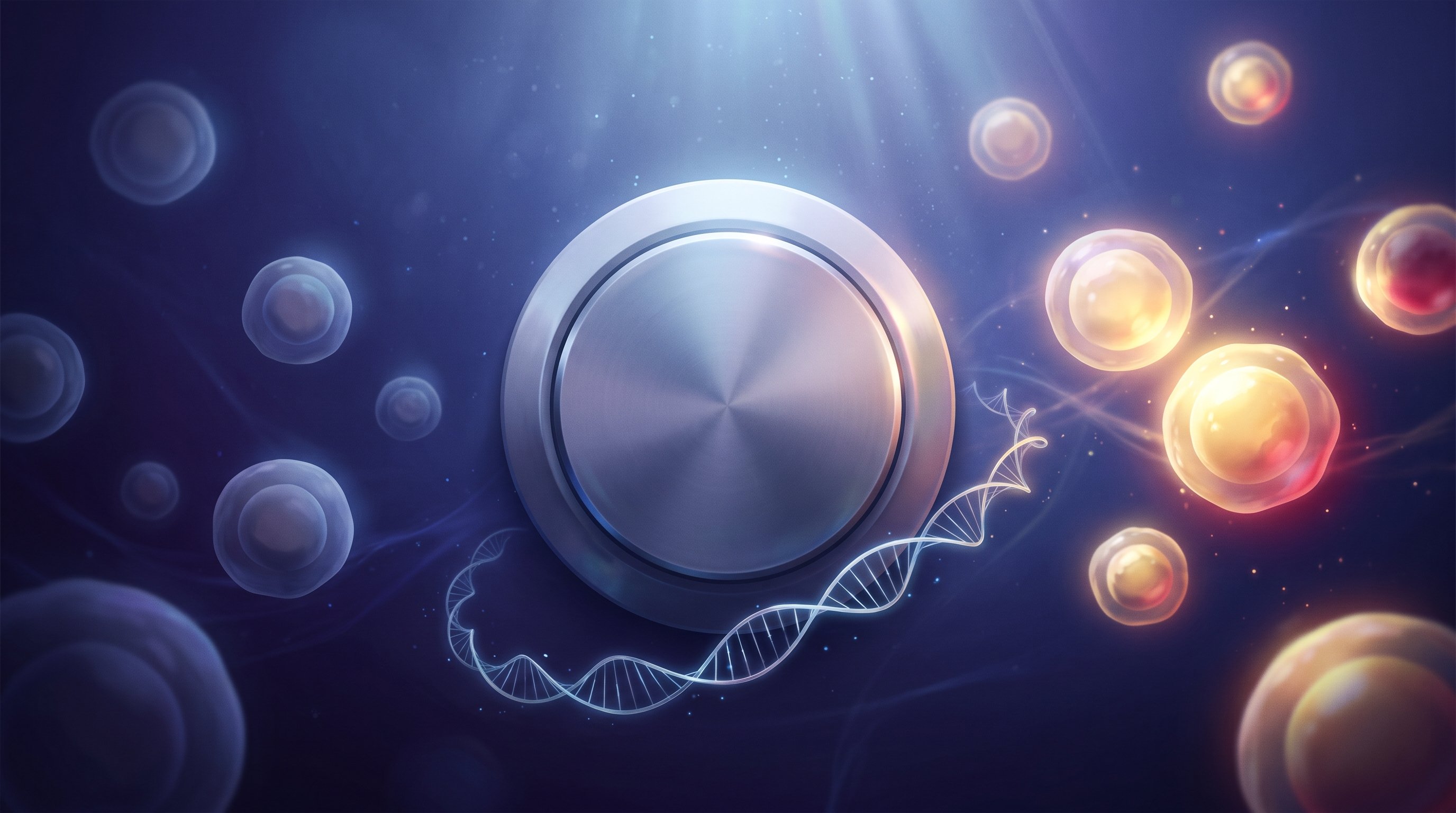
Australian researchers give doctors a 'switch' to control immune cells as medicine
Researchers at WEHI in Melbourne have modified immune cells so that doctors can control them using two existing medications: one helps the cells grow, while the other inhibits them. The next step is a first study in humans.