Nederlands
All posts
Latest news
All WATTBA posts, newest first.
-
AI estimates biological age and cancer survival chances from a single face photo
Researchers at Mass General Brigham built AI that estimates, from a single ordinary face photo, how old someone's body is and how likely a cancer patient is to survive. This could help doctors better assess how much treatment a patient can take. Further research is needed first.
-
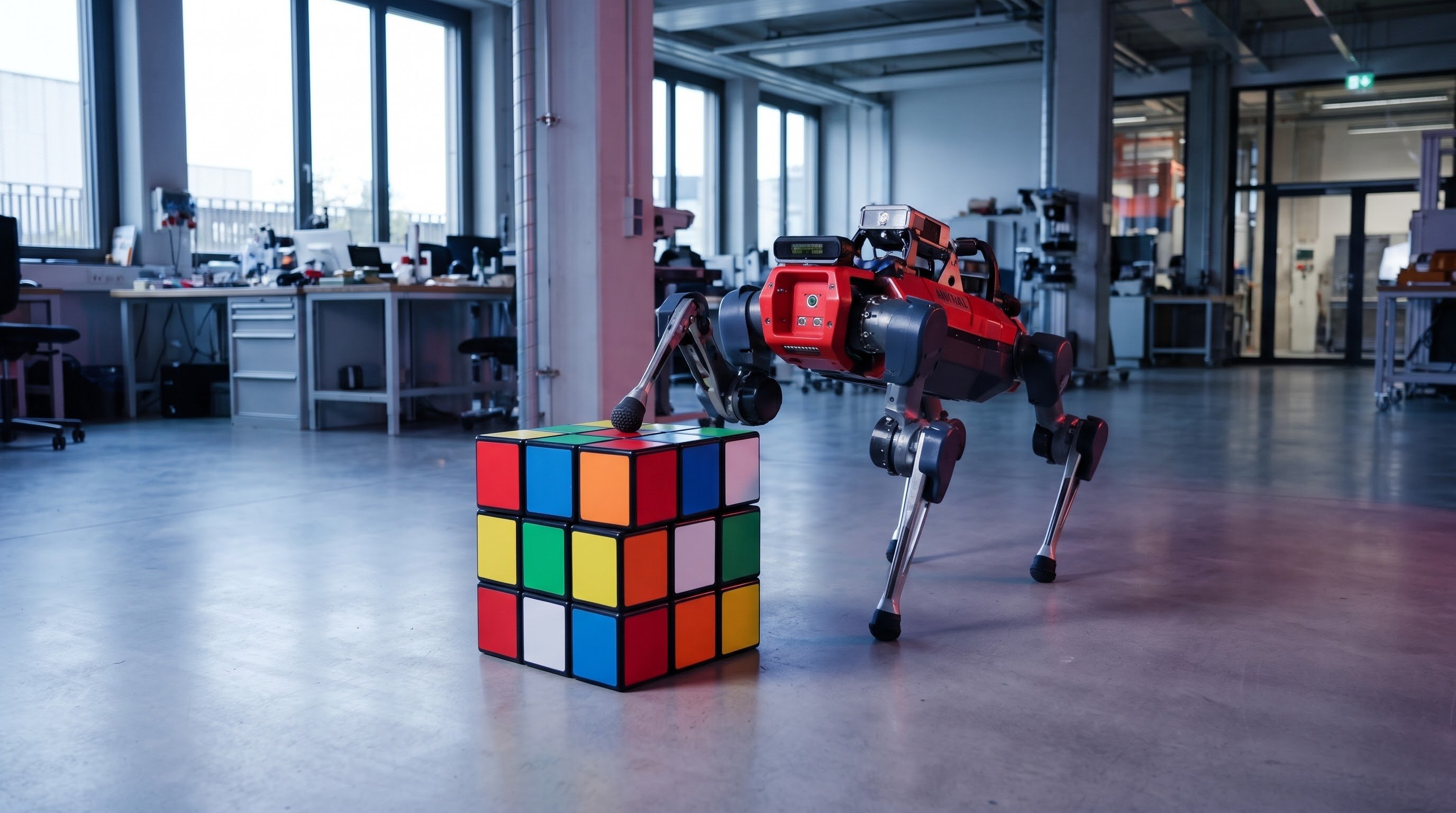
Four-legged robot solves a giant Rubik's Cube using only its legs
Researchers at ETH Zürich and Nvidia taught a four-legged inspection robot to solve a giant Rubik's Cube using only its legs. It tips the cube over and turns the layers, without human help. All three attempts succeeded, each in eight to nine minutes.
-
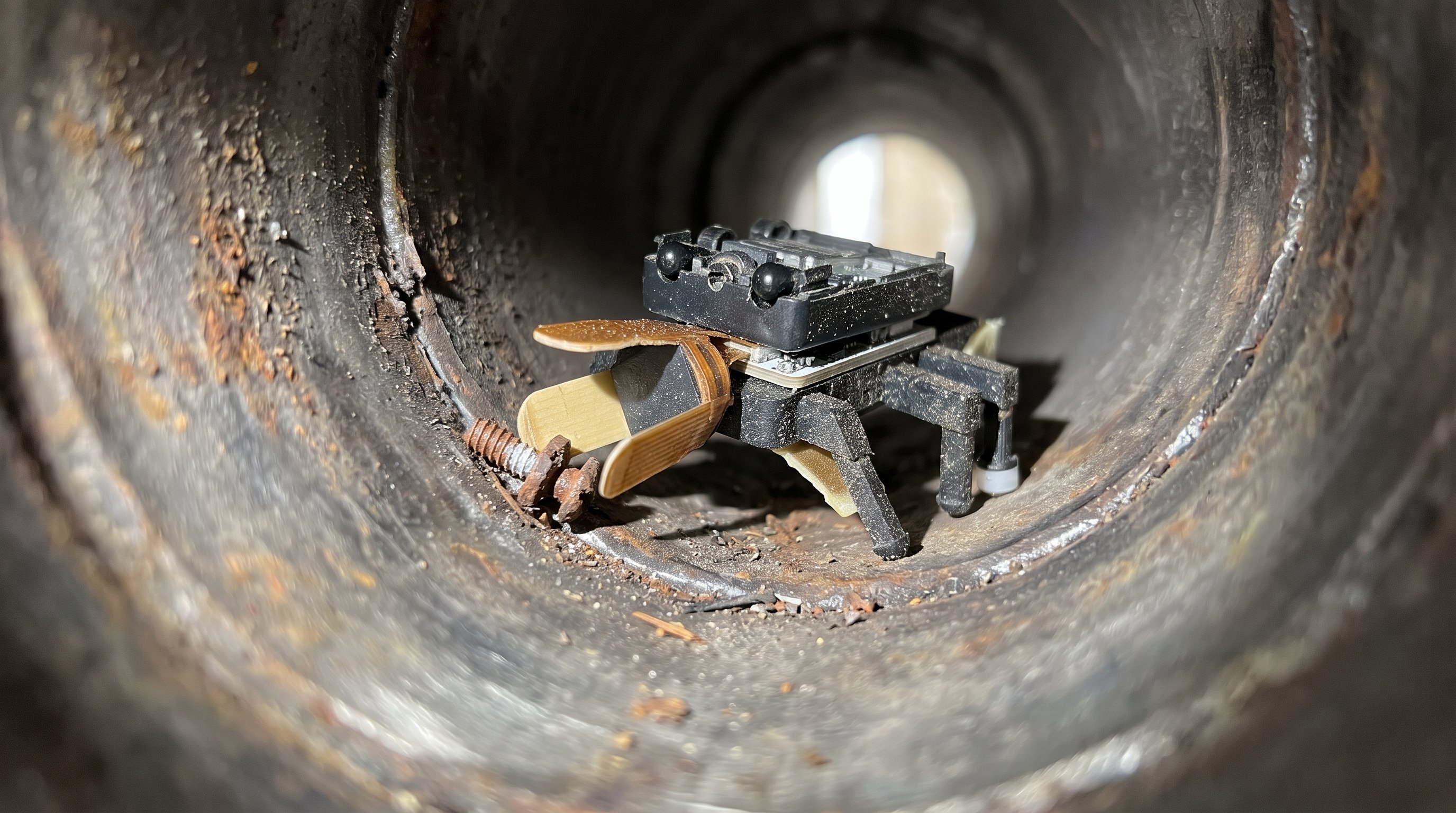
Soft beetle robot with artificial muscles can be steered with one finger
Researchers from KAIST, Caltech and NTU Singapore built a small soft robot modelled on a beetle. You steer it with your finger and get images and touch feedback straight back. The next step: making it faster and more energy-efficient.
-
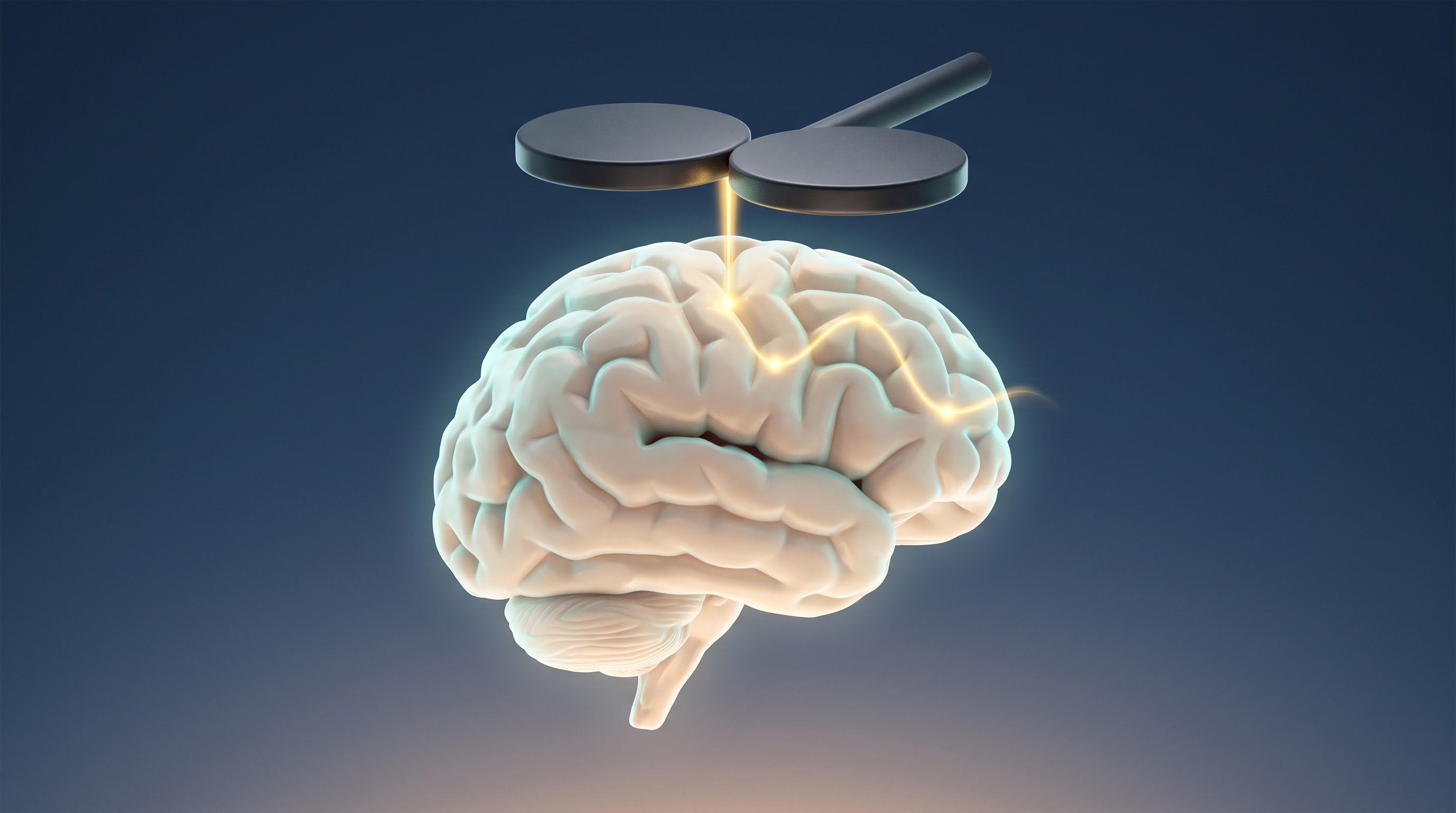
Magnetic brain treatment tuned to the patient's own rhythm cleared for PTSD
In the US, a PTSD treatment has been cleared that tunes magnetic pulses to the patient's own brain rhythm. In a trial with 158 adults it worked better than a sham treatment, without serious side effects. A scientific publication is still to follow.
-
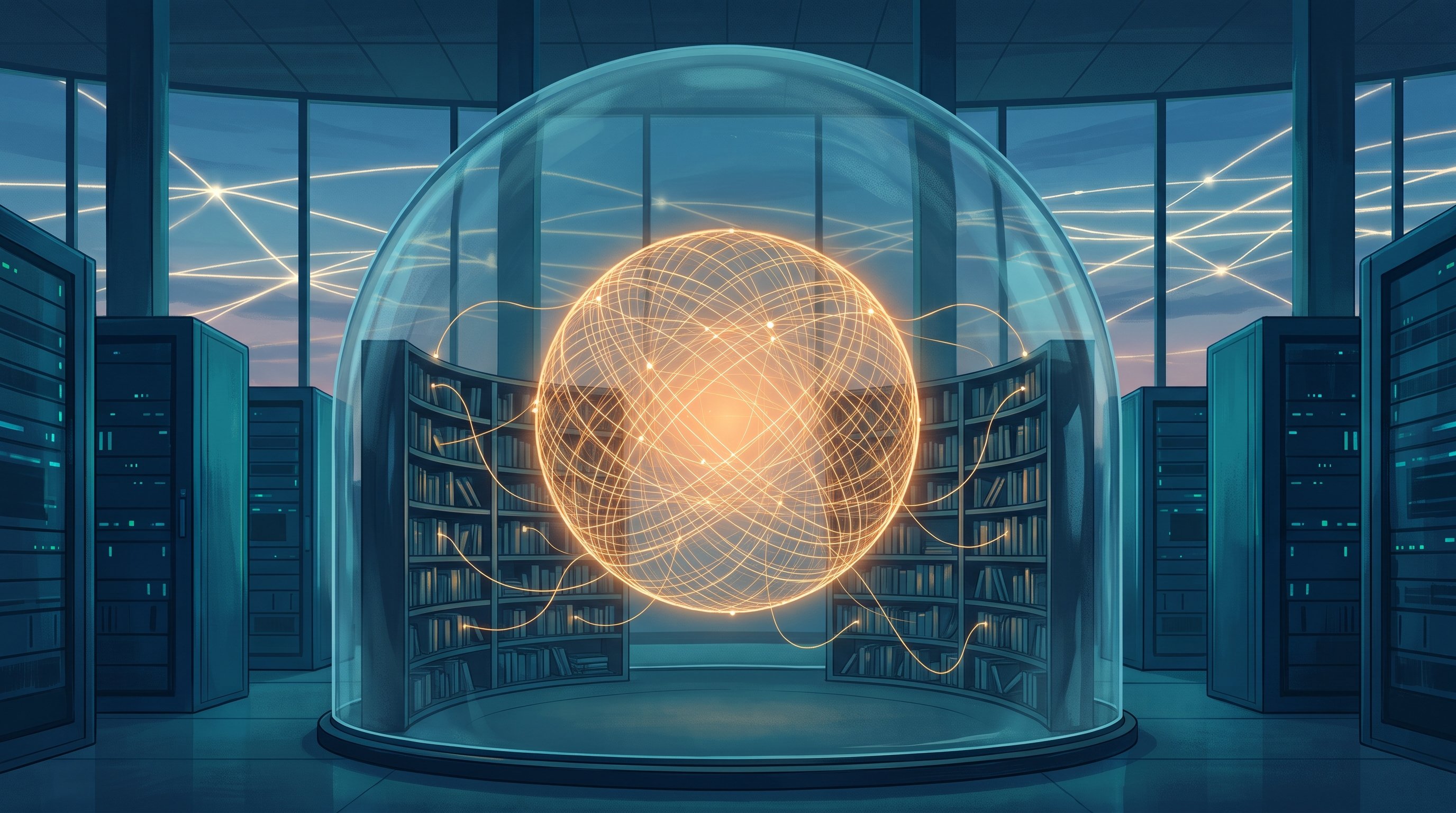
OpenAI will now train its most powerful AI models without internet access
OpenAI no longer lets its strongest AI models onto the real internet during training. From now on they practise with a stored copy of the web. At OpenAI's request, the models themselves searched for holes in this new shielding, so the company could close them.
-
Tiny holes that slow down light make a small Japanese chip for optical fibre far more efficient
Japanese researchers built a component that turns electrical signals into light, using tiny holes that slow the light down. It is 0.3 millimetres long, runs on low voltage and sends up to 200 gigabits per second. The next step: losing less light along the way.
-
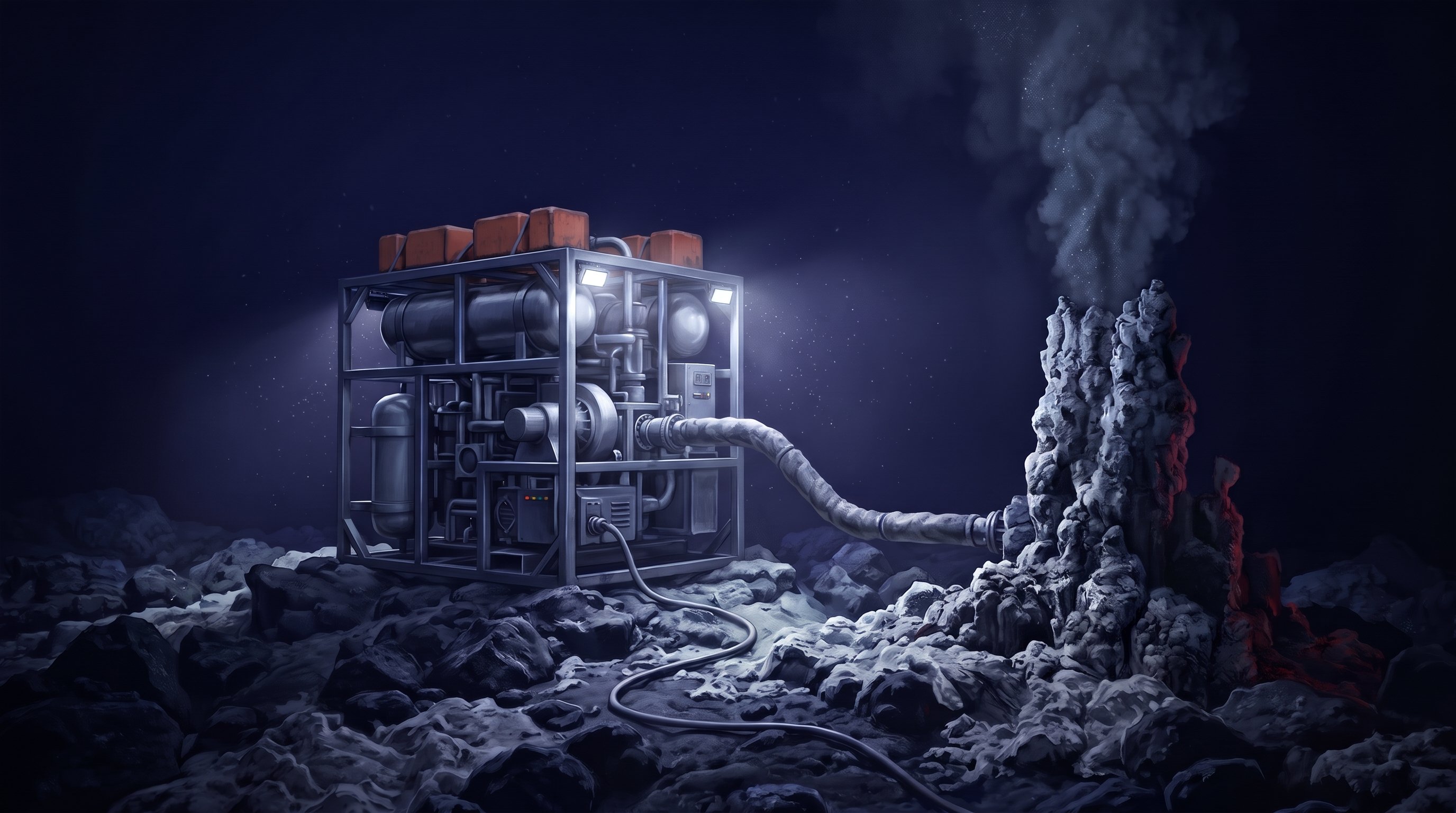
Start-up generates electricity for the first time with a power plant on the seabed, at an underwater volcano
At a depth of one and a half kilometres, Endurance Energy ran a small geothermal power plant on the heat of an underwater volcano. For a few seconds, it produced more electricity than it used itself. A stronger version follows this winter.
-
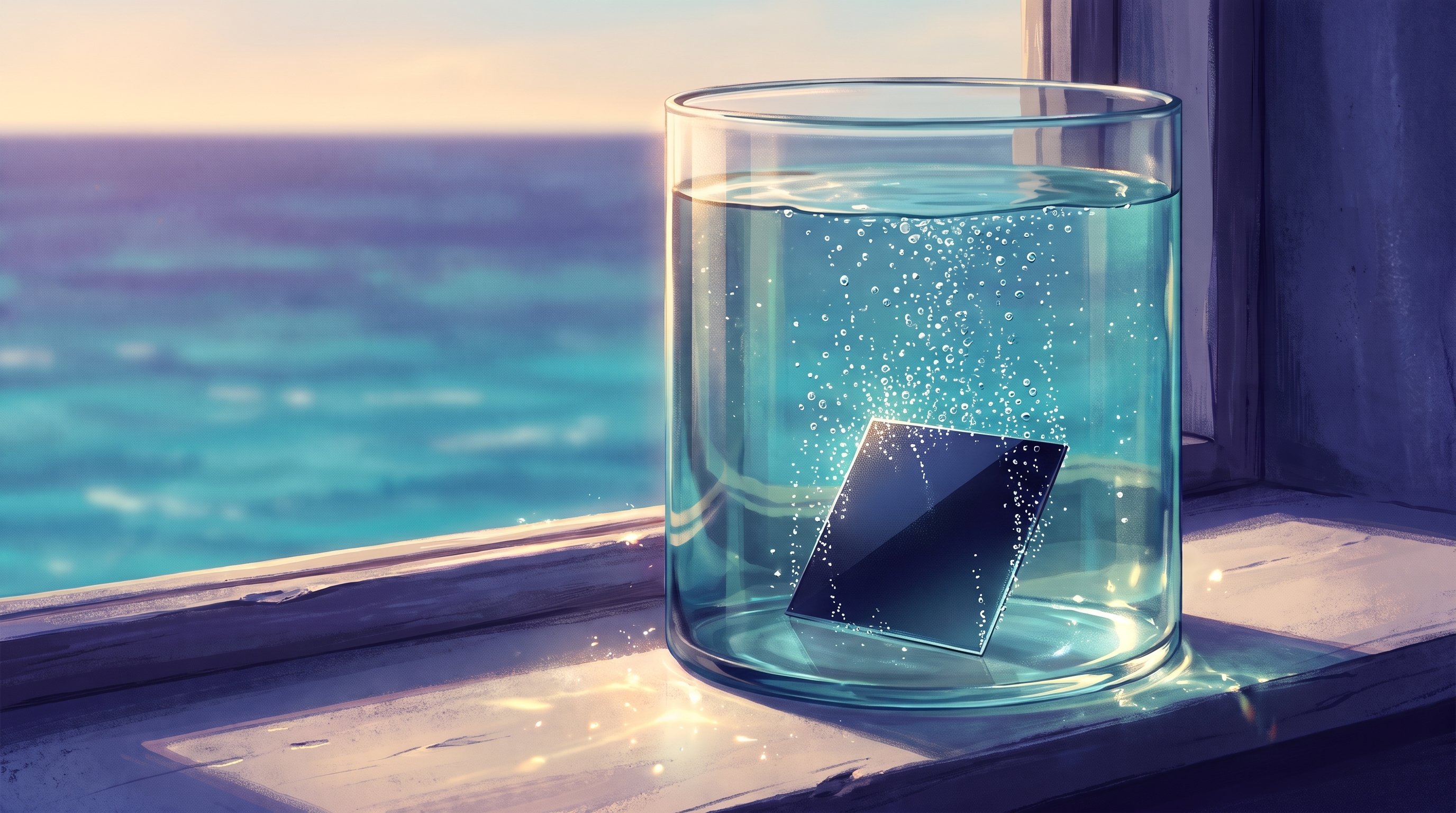
Artificial leaf from Singapore uses sunlight to make hydrogen from seawater and clears up a poison at the same time
Researchers in Singapore built an 'artificial leaf' that, without power from outside, gets hydrogen from polluted seawater and at the same time breaks down the toxic substance hydrazine. It is a first working prototype; the next step is a larger and longer-lasting device.
-
Wafer-thin mesh draws electricity from beating human heart cells
Researchers in the US grew beating human heart tissue around a wafer-thin mesh that generates a little electricity with every heartbeat. The work has so far been done in the lab. The goal: implants such as pacemakers that no longer need a battery.
-
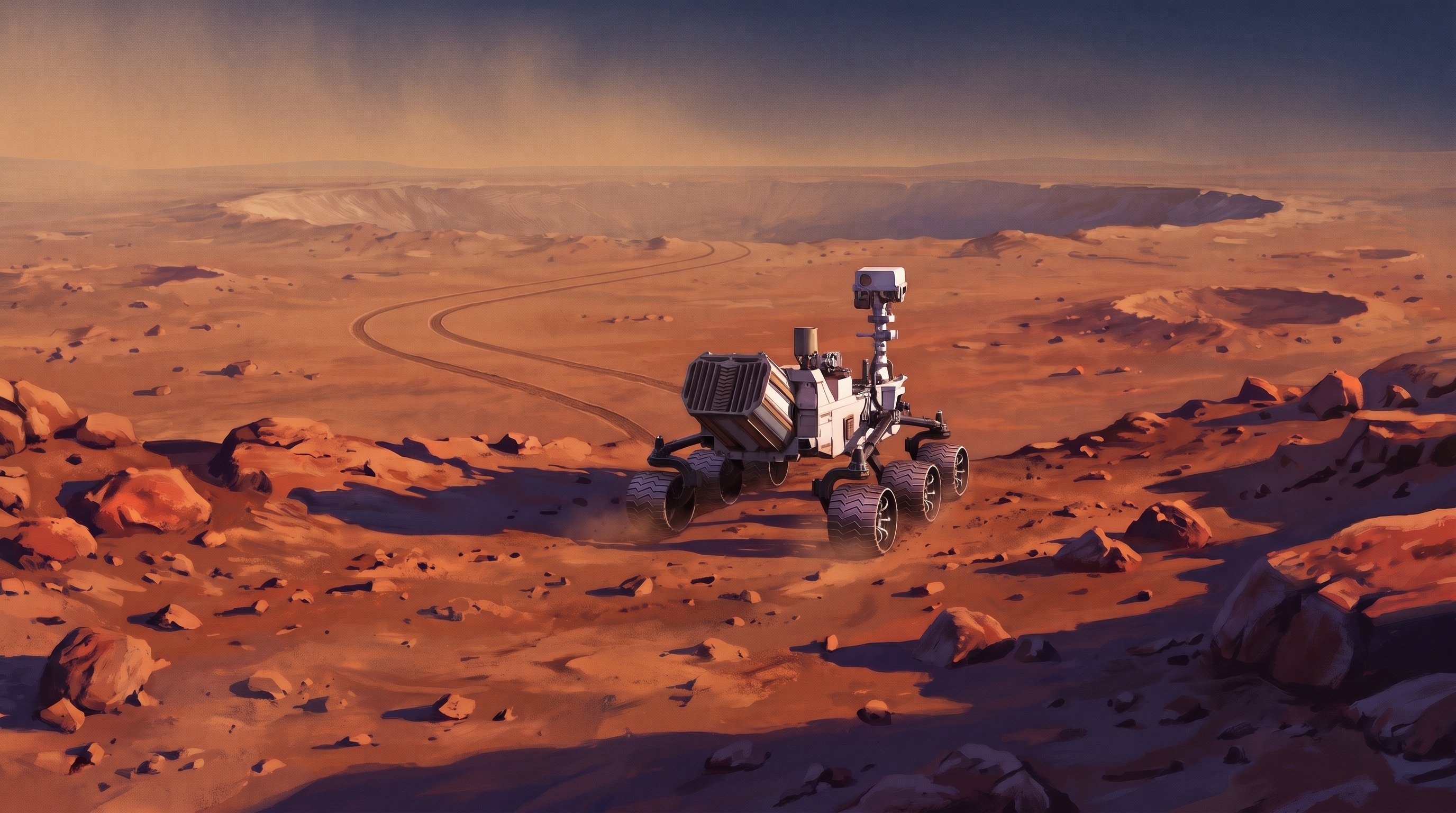
Mars rover Perseverance drives a record distance and mostly steers itself
The Mars rover Perseverance has driven 45.22 kilometres: further than any other vehicle on another planet or moon. It steered itself for more than 90 per cent of that distance. NASA has extended the mission until about the end of 2028.
-
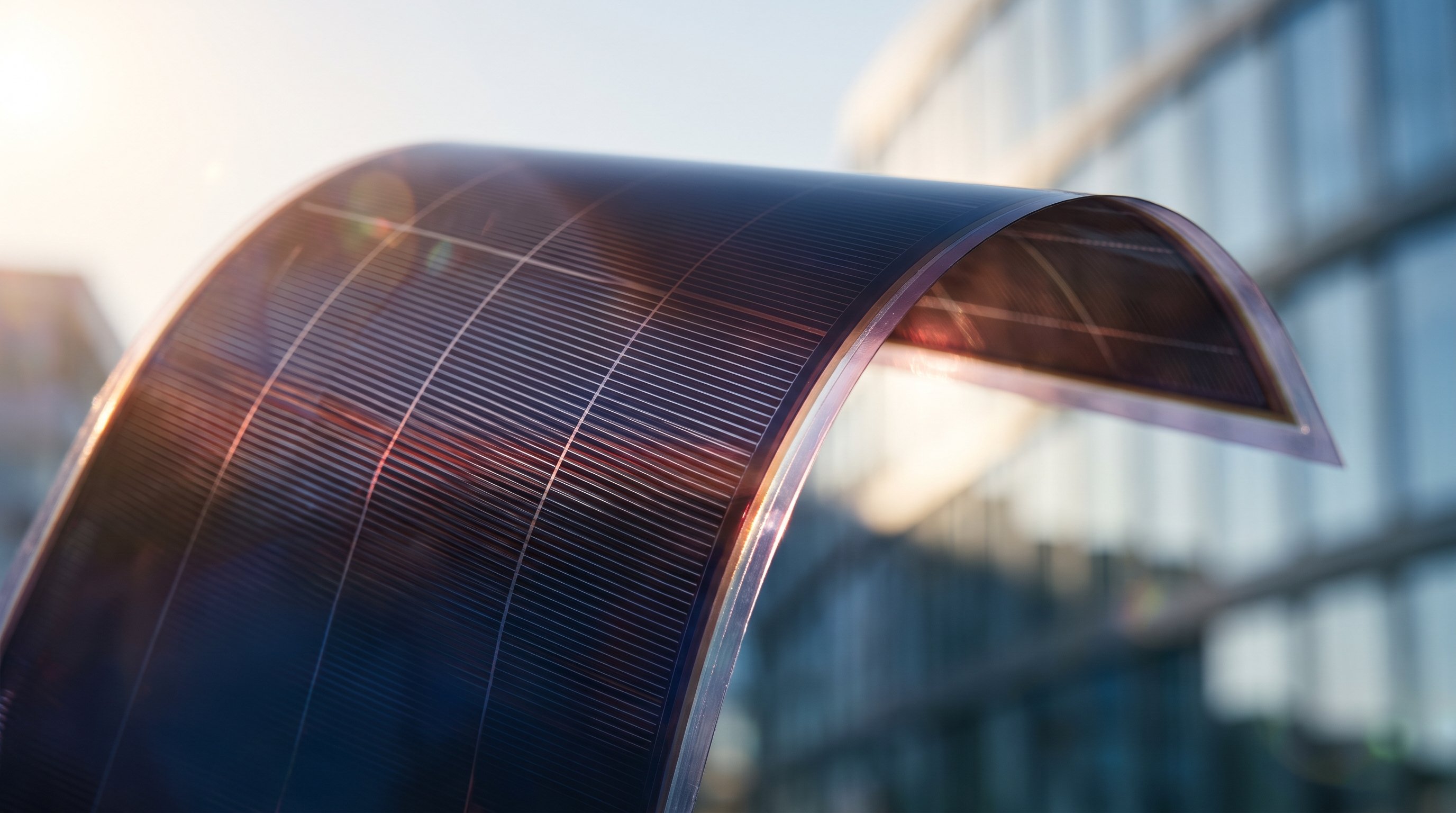
Chemical lock helps organic solar cells keep working well for longer
Chinese researchers have chemically fixed a very thin, fragile layer inside organic solar cells. Small cells reached 20.4 per cent efficiency, larger modules 18.8 per cent, and after 2,000 hours in the light the tested cells still delivered more than 85 per cent of their starting efficiency.
-
Chinese AI model Kimi K3.1 Pro ranks fourth in independent leaderboard
Kimi K3.1 Pro from the Chinese company Moonshot AI ranks fourth in the independent leaderboard of Artificial Analysis, ahead of the newest models from OpenAI and Google. It improved most in independent computer work. Moonshot plans to release the model by 4 November.
-
Low-power brain implant recognises mental state from how brain regions work together
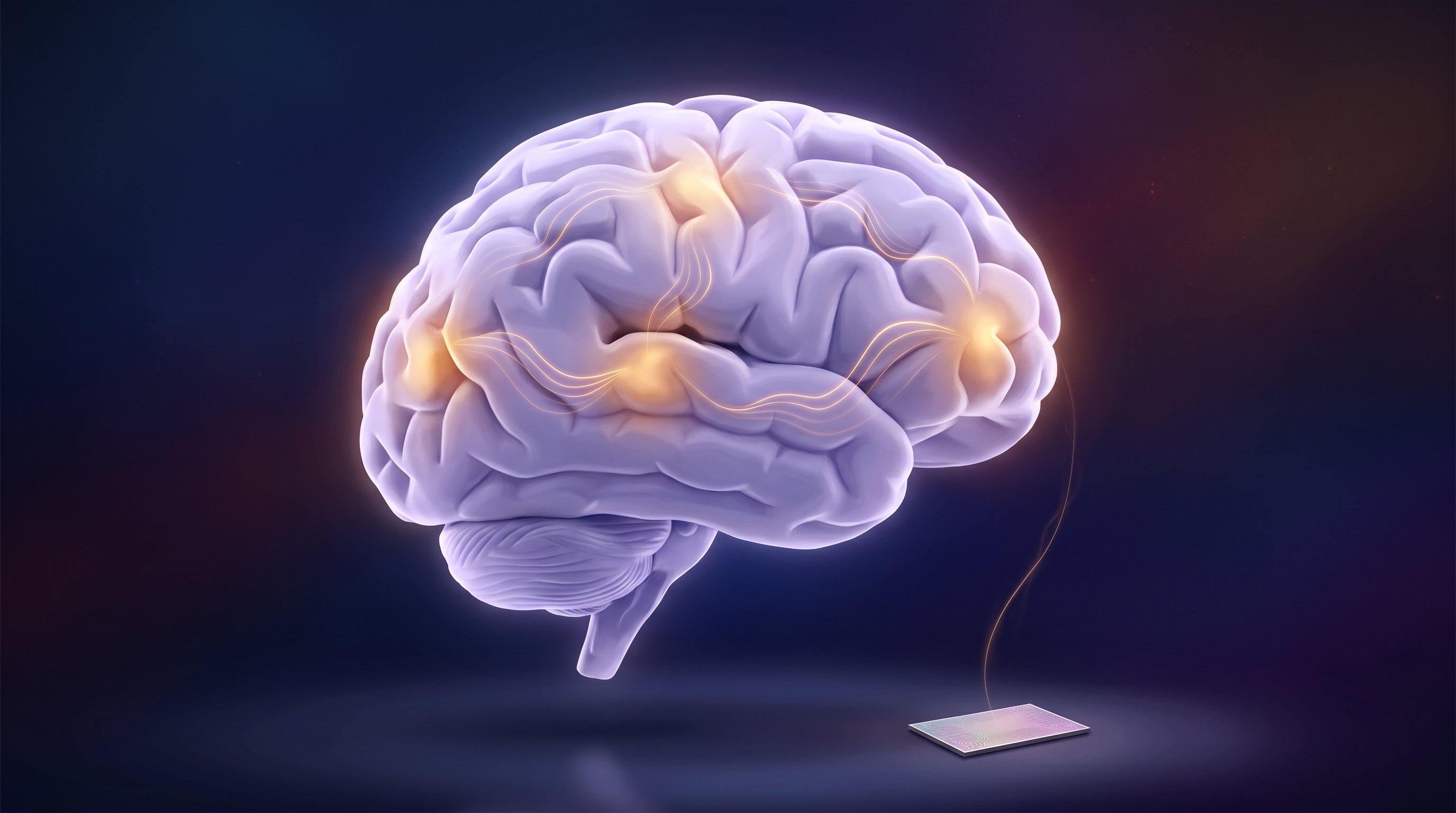
Researchers at EPFL have built a chip of 4 by 2 millimetres that measures how brain regions work together and so recognises concentration and emotional arousal. It uses very little power. The chip already works on recordings from people and in rats; patients are the next step.
-
Ceramic cell in Groningen makes twice as much hydrogen from steam with the same amount of electricity
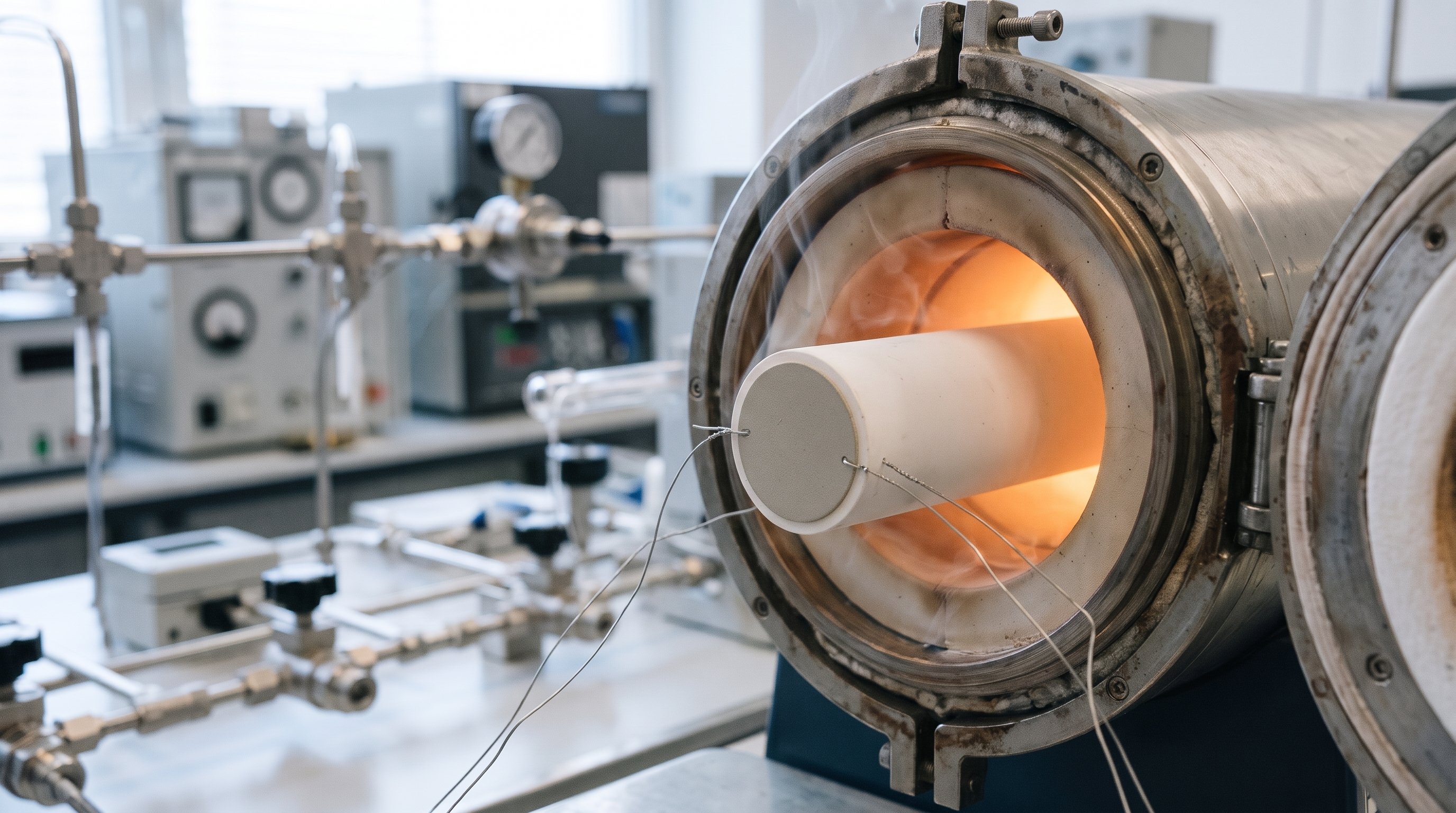
Researchers at the University of Groningen have doubled the hydrogen output of a ceramic cell that splits steam, without extra electricity. The cell ran stably for more than 500 hours. So far it is a lab experiment.
-
MIT builds thin swimming robot powered by living muscle cells
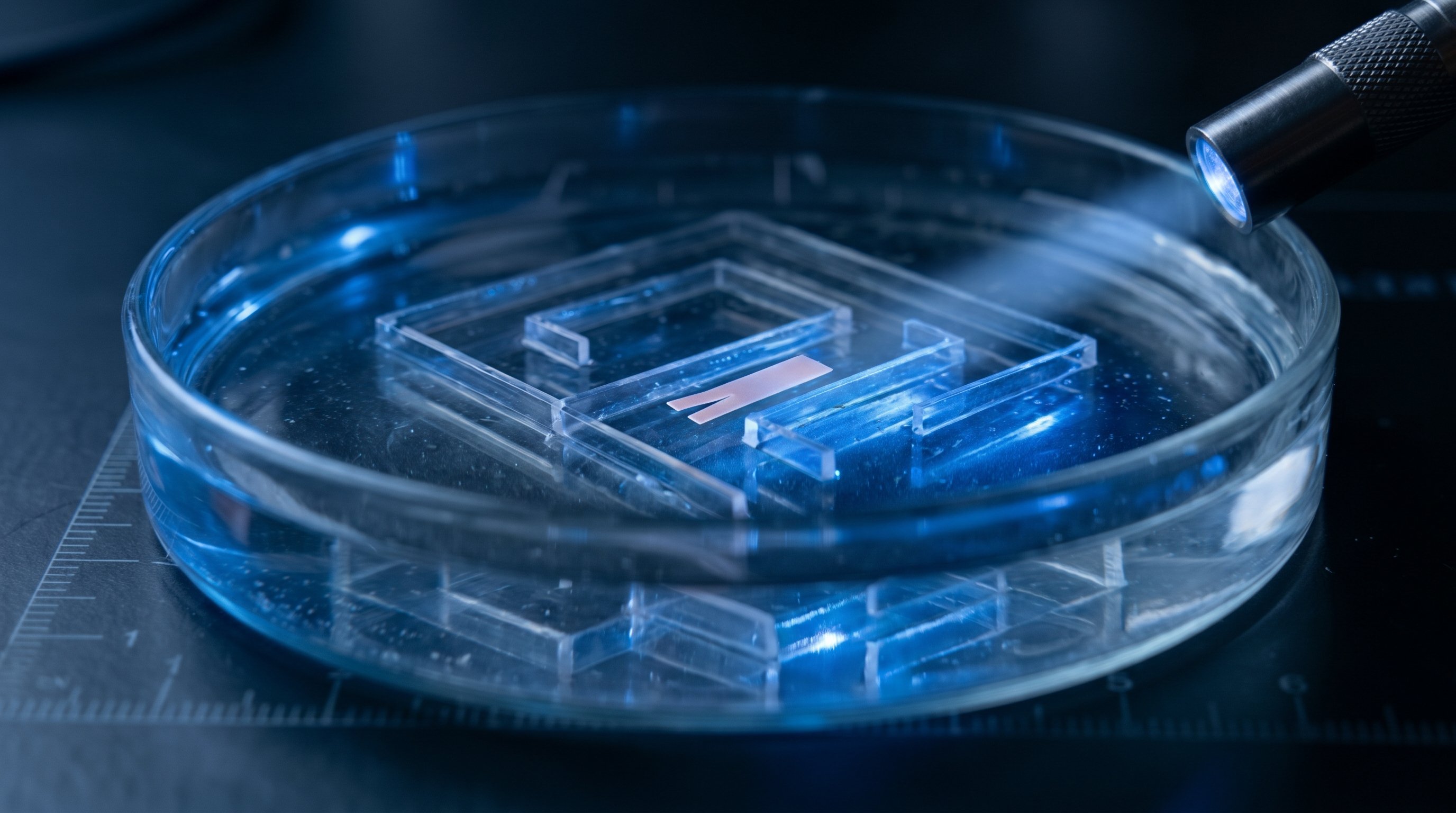
Researchers at MIT have built a paper-thin swimming robot powered by a layer of living muscle cells. The cells contract when light falls on them, so the robot can be steered. In the lab it has already swum through a small maze.