Nederlands
Topic
#Verenigde Staten
-
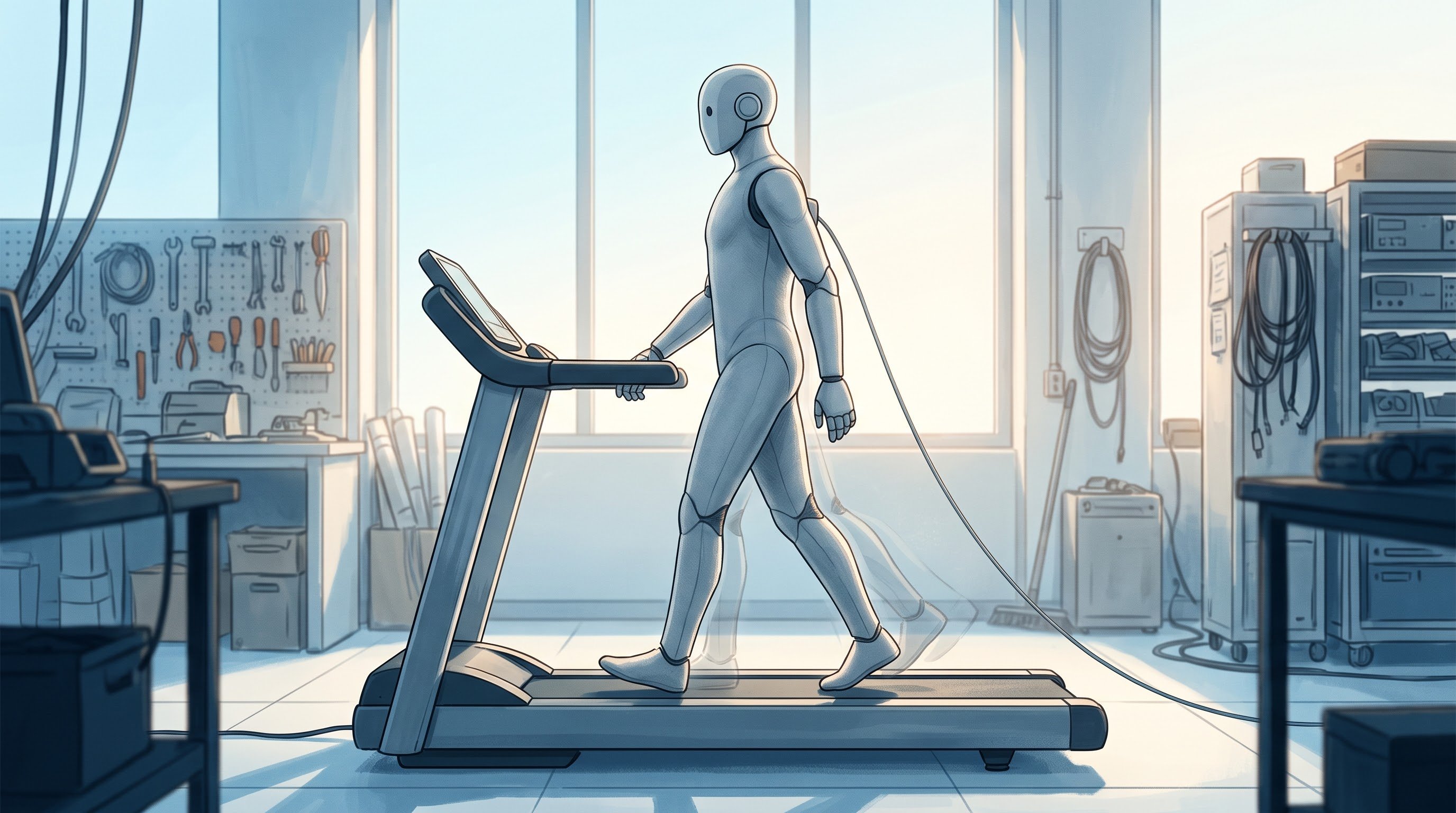
Humanoid robot walks 560 kilometres on a treadmill in nine days
A humanoid robot from the American company Figure AI has been walking on a treadmill for nine days in a row: more than 560 kilometres and 1.2 million steps, reports chief executive Brett Adcock. The trial is meant to find weak spots in the hardware and is still running.
-
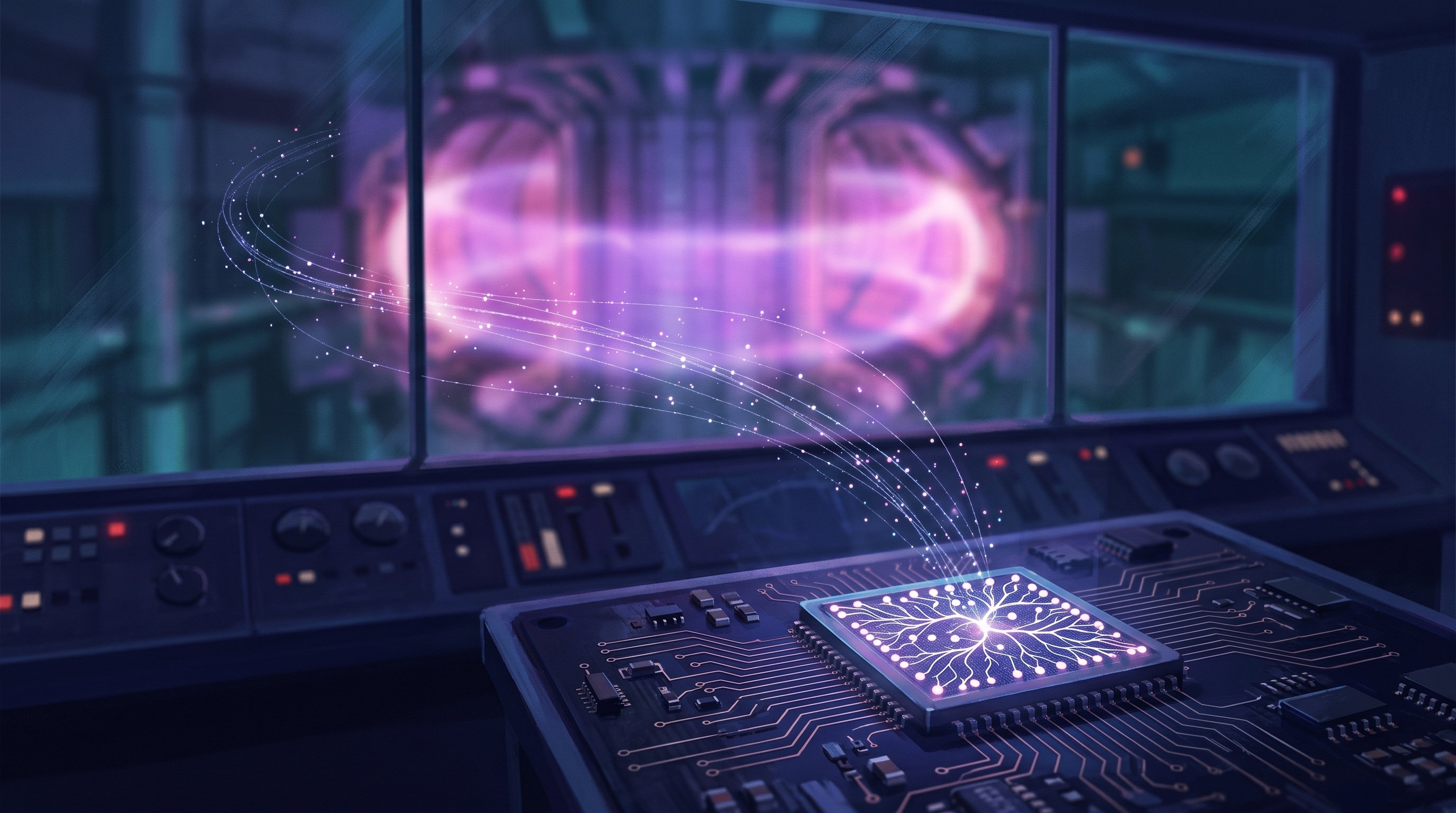
Brain-inspired chip keeps up with a million measurements per second from a fusion reactor
An American team tested a superconducting chip that works like a network of brain cells. It processed measurements from a fusion reactor as fast as they came in. Next year, a chip ten times larger will monitor the reactor itself.
-
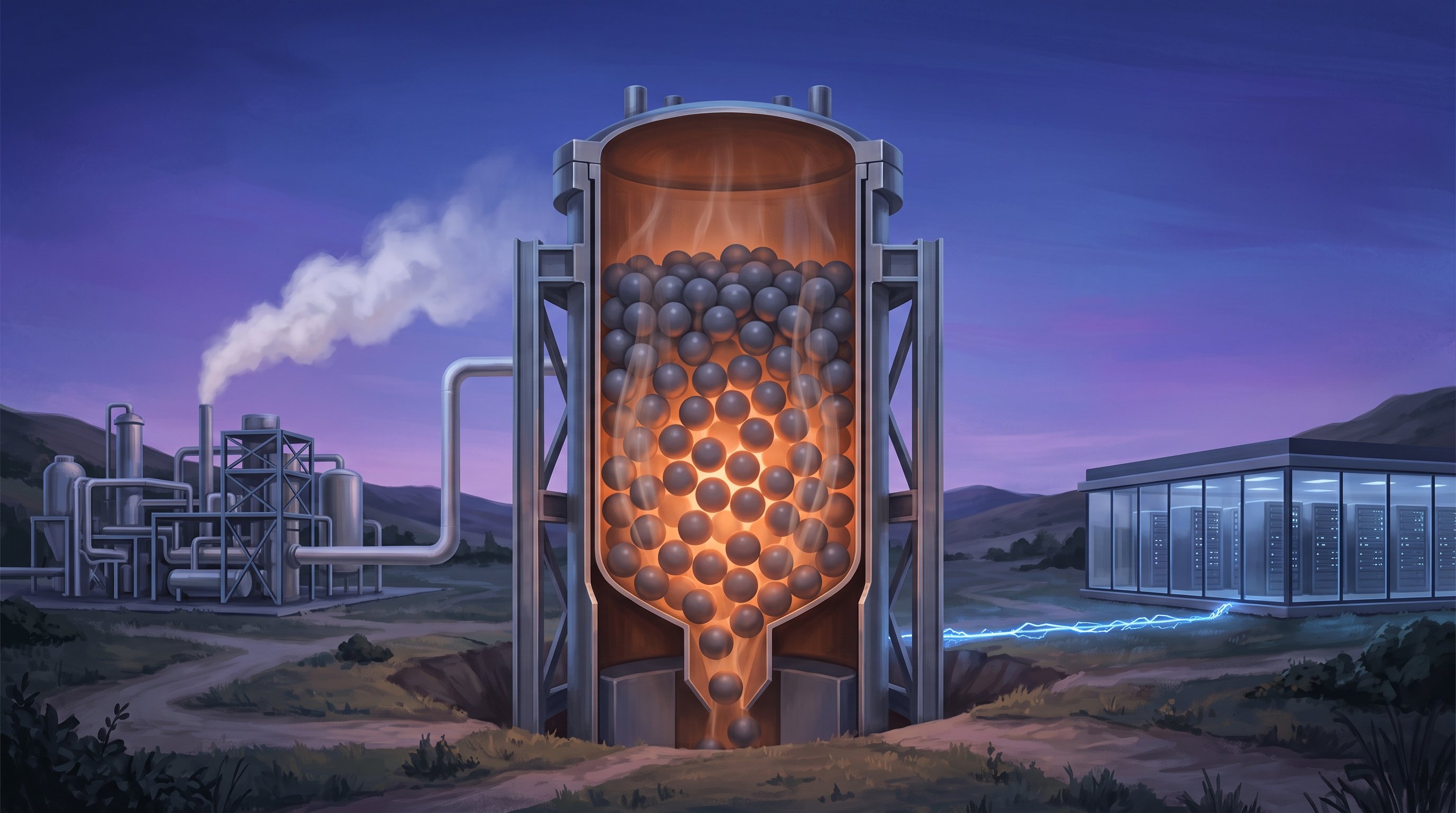
X-energy builds a small helium-cooled nuclear reactor for factories and data centres
The American company X-energy is developing a small nuclear reactor that is cooled with helium gas and supplies hot steam for factories and electricity for data centres. Chemical company Dow and Amazon want to build with it. The first reactors are due to run in the 2030s.
-
Firefighters in Alaska put out forest fires to protect frozen ground and its carbon
In the north of Alaska and Canada, researchers and firefighters are trying to stop forest fires before they thaw the permanently frozen ground. That keeps a lot of carbon in the soil. New satellites and maps should help; how well it works is now being studied.
-
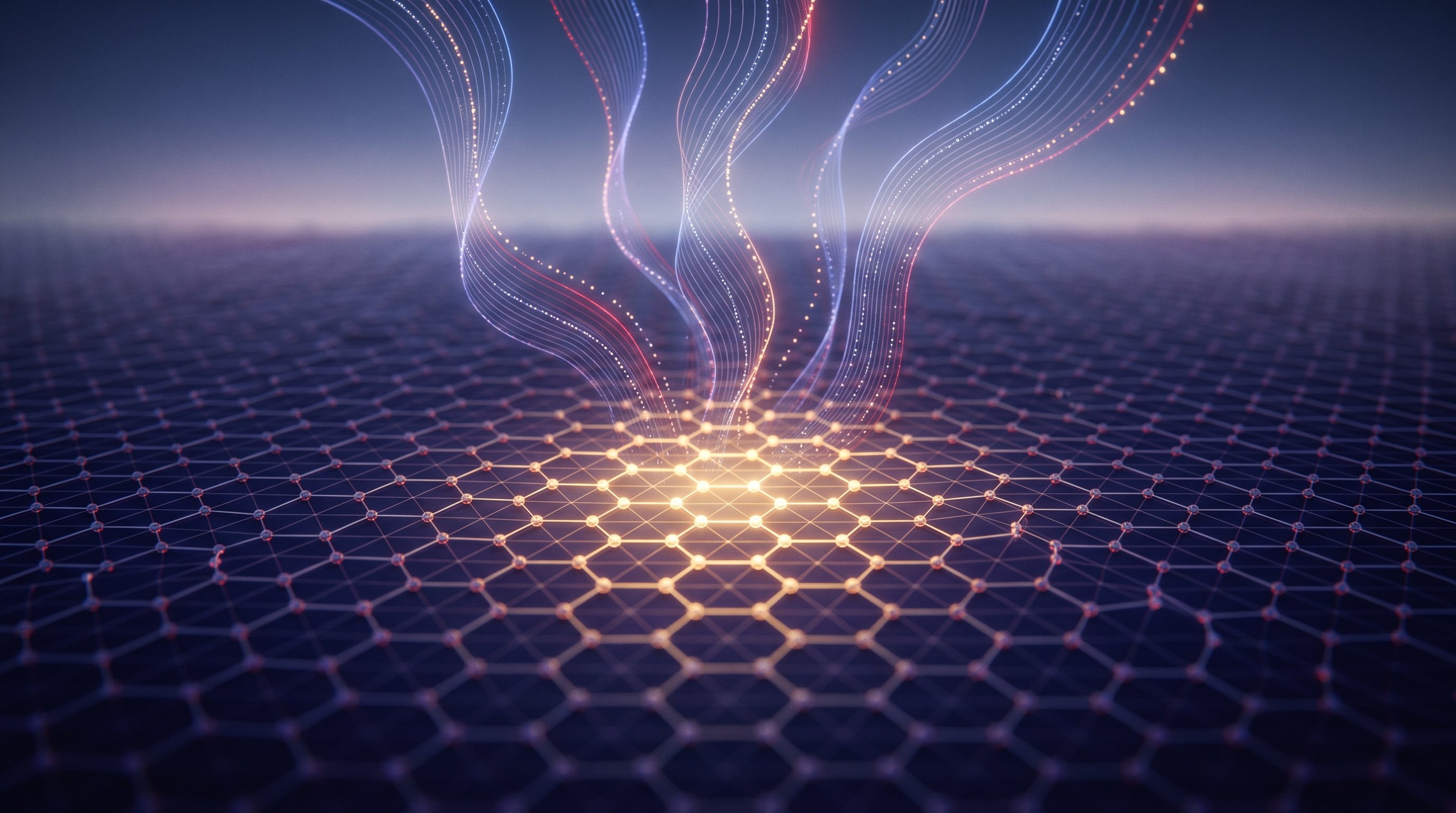
Electron pairs survive after superconductivity is gone
Physicists saw that electrons in a metal keep forming pairs even when it is just too warm for superconductivity. That helps to understand how electricity without losses comes about. The next step is to see whether it also happens inside the material.
-
Brains of male and hermaphrodite worms respond differently to smell and taste
For the first time, researchers followed all the brain cells in the head of a tiny worm at once. In males and hermaphrodites, almost all sensory cells respond differently to smells and tastes. That difference does not show up in how the cells are connected to each other.
-
Salt-filled gel lets walls and windows store heat
Gels full of salt can store heat in walls, floors and windows during the day and release it again in the evening. Researchers at Texas A&M University have reviewed how far these 'salogels' have come. The first small tests are promising; the step to real buildings is next.
-
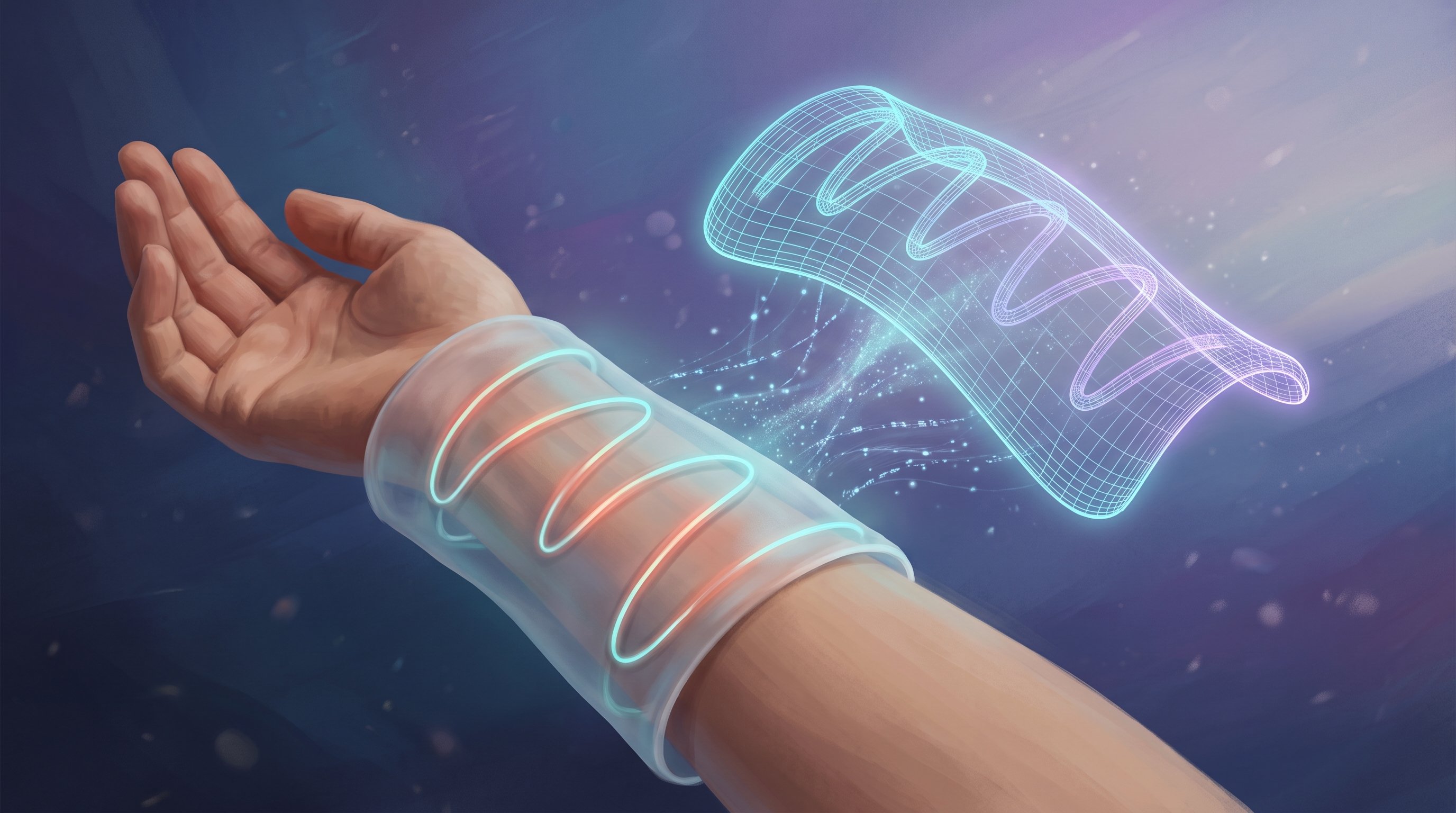
Soft sheet measures how it bends and twists
MIT researchers have made a soft, stretchy sheet with light-guiding fibres that measures how it bends and twists. A computer turns that into a 3D model, accurate to less than half a centimetre. It could later help with physiotherapy, games and robots.
-
MIT teaches AI to see how crystals are built, and that helps the search for new materials
Language models know a lot about materials, but cannot 'see' how a crystal is built. MIT researchers linked 3D structures to descriptions in plain language. As a result, their model finds better candidates, for example for batteries.
-
Anti-mosquito fabric makes strawberry plants produce three times as much fruit
A knitted fabric, originally designed for military uniforms, keeps insects away from strawberry plants and lets light, air and rain through. In trials at NC State, plants under it produced 3.56 times as much fruit. Tests with real growers come next.
-
AI company pays plumbers and technicians to teach robots home repairs
The American data company HUMXN is paying for repairs to plumbing, electrics and heating and cooling systems in Minneapolis, Chicago and Miami. The technician wears a camera during the job, so that robots can learn how skilled workers solve problems. The resident gets the job done for free.
-
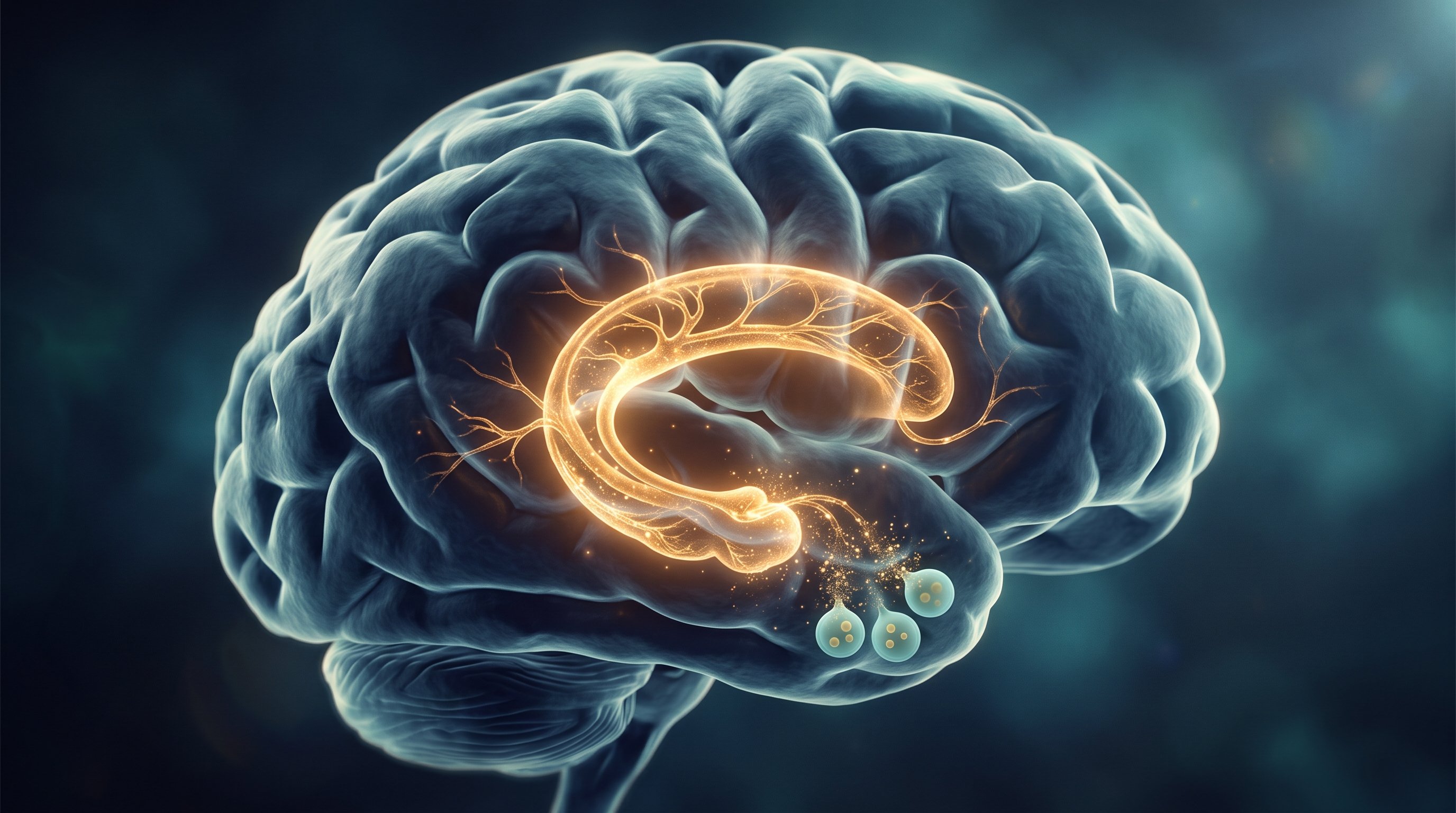
Brain enzyme helps keep memory sharp in old age
Researchers in Boston have discovered an enzyme that the brain itself makes more of as we get older, and that seems to protect memory. In old mice, an extra dose kept memory in better shape. The next step is to find out whether this can also be done safely in humans.
-
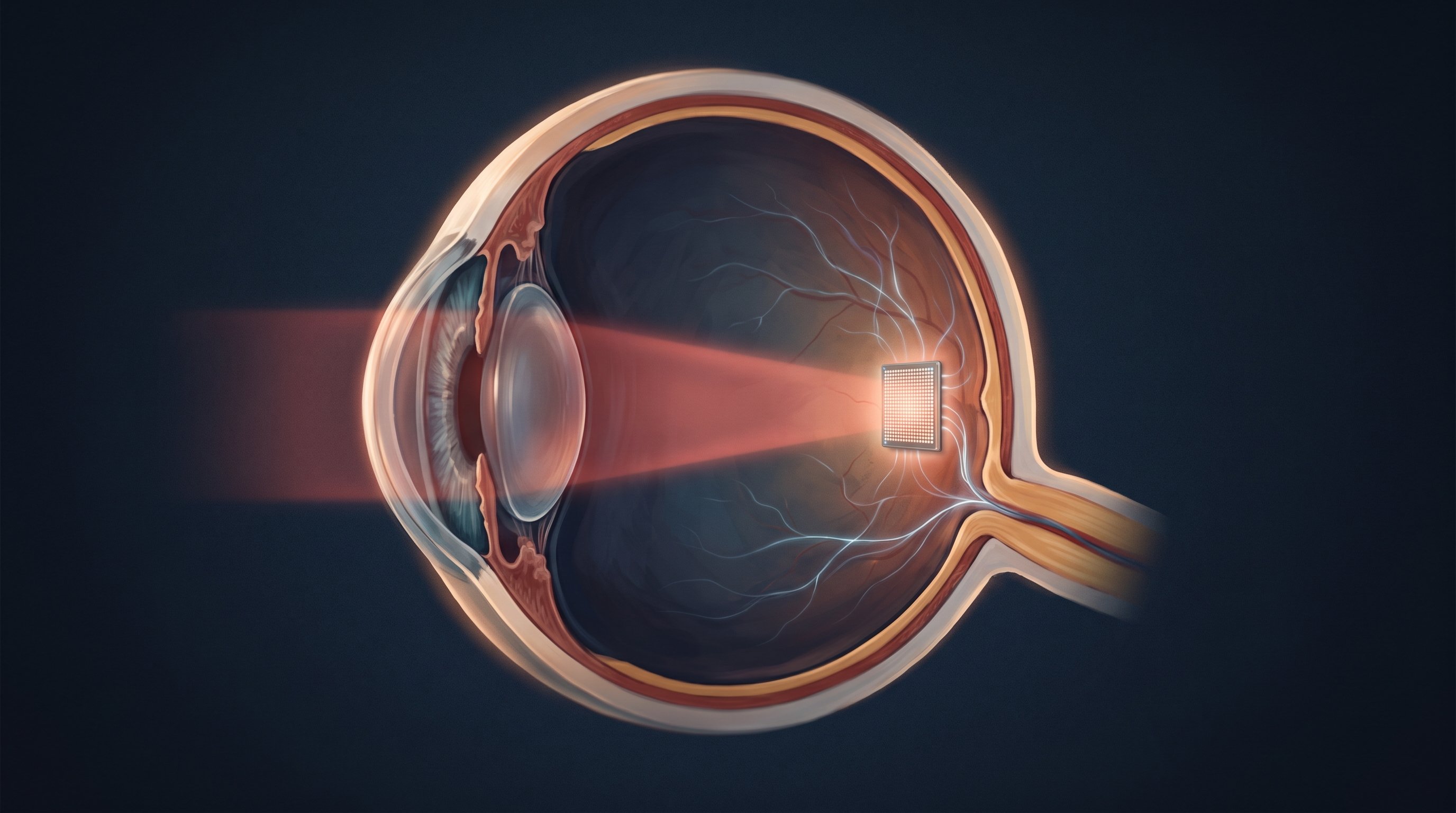
Retinal implant lets people with macular degeneration read again
Science Corporation's Prima implant has been allowed in Europe since July for an advanced form of macular degeneration. In a study, more than 80 per cent of participants could read clearly more letters after a year. In the US, the application is still under way.
-
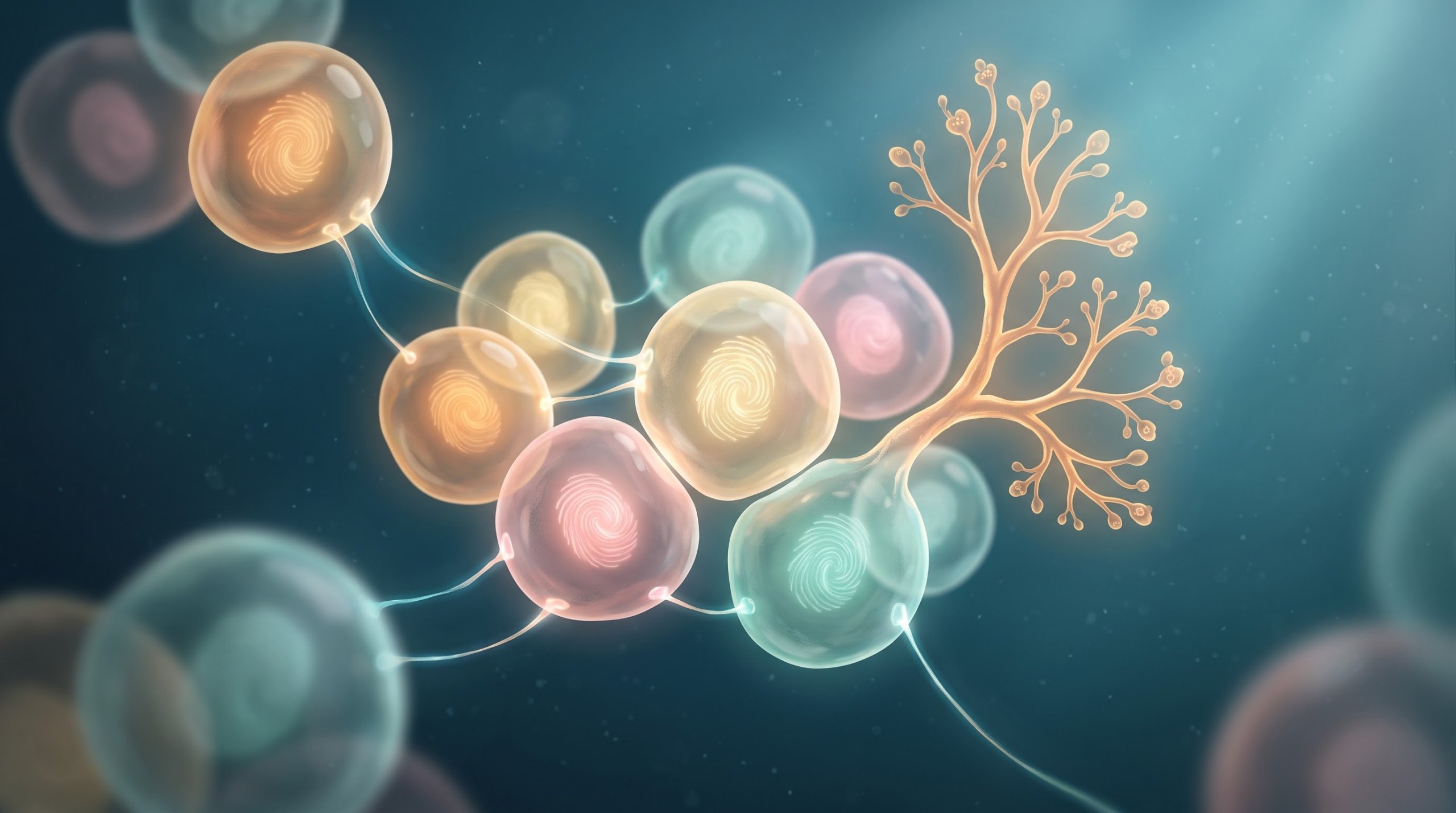
AI model IRIS reads which signals cells in an embryo have received
Researchers at MIT and the Whitehead Institute have built an AI model that can tell from a cell's gene activity which signals that cell received from its neighbours. With that knowledge, they have already improved a lab recipe for growing precursors of lung tissue from human stem cells.
-
Google and Meta help pay for extra power from existing nuclear plants
American nuclear plants will deliver more electricity without new reactors. Google is buying 890 megawatts extra from Constellation for twenty years, Meta 433 megawatts from Vistra. This quickly adds clean power for AI data centres, as a first step alongside new plants.