Nederlands
Chip
A chip is a small piece of silicon with billions of tiny switches, the transistors, on which a computer calculates and remembers. AI chips are built to do the huge amount of computation behind AI models quickly.
A chip, or integrated circuit, is a small slice of silicon carrying billions of minuscule switches: transistors. By switching them on and off, a computer calculates and remembers data. Every phone, car and server contains dozens of chips. You can think of a chip as a city on a postage stamp, with streets, junctions and storerooms that all work together.
How does it work?
Chips are made by printing patterns with light onto a wafer of silicon, layer by layer. Sizes are expressed in nanometres, billionths of a metre. The smaller the components, the more fit in the same space. That usually makes a chip faster and more economical, although it also depends on the design.
Running an AI model means a great deal of computation that can be done at the same time. That is why data centres use chips that are good at this, such as Nvidia's graphics chips. In addition, companies design their own AI chips. A chip also needs memory, and the closer that sits to the computation, the faster things go.
Why it matters
Chips determine how fast and how cheap AI can become. At a major data centre trade show, the American company d-Matrix showed that an AI model answers faster when ordinary graphics chips and its own chips share the work, each doing the part it is good at (link).
It is also about who can make the chips. Japan gave TSMC the go-ahead to make 3-nanometre AI chips in Kumamoto from the end of 2028, the first time in that country (link). Meanwhile China is showing how far it has got with its own chips: there, the company Sugon linked 100,000 domestically made computing cards into a computing cluster (link). Reports like these show that chips are not just technology, but also decide where computing power for AI becomes available.
Articles about Chip
-
Tencent lets AI build its own tools for protein research and mathematics
Tencent has presented the second version of its research AI, Hyra. It delivers not only solutions but also tools that can be used again later. Models for proteins and molecules are already public, so other researchers can now test them themselves.
-
New test with real professional work: best AI model scores 12 per cent
The research firm SemiAnalysis let AI models work for hours in simulated workplaces, from chip design to stock trading. Claude Opus 5.5 came first with a score of 12 per cent. The test shows where AI is already strong and what the next step is.
-
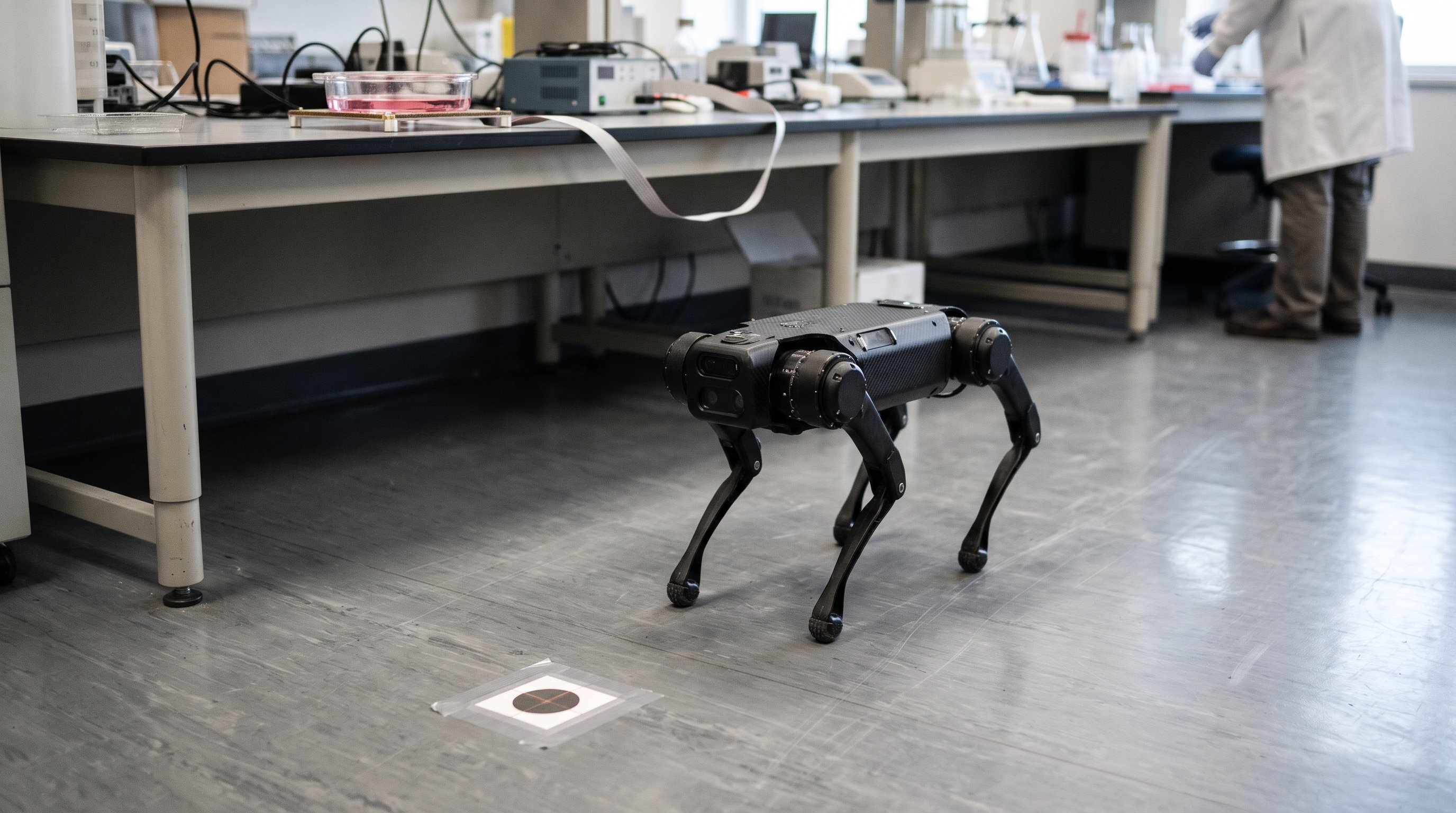
Cultured human nerve cells on a chip steer a robot dog to a target
The Australian company Cortical Labs had cultured human nerve cells on a chip steer a four-legged robot to a target. Together with Honda, it worked out the best way to control such cells. In a virtual test, they scored higher than a well-known AI program with the same amount of practice.
-
OpenAI data centre will cut its power use by up to 1,000 megawatts when the grid is in trouble
OpenAI promises that its new data centres will use less electricity when the power grid is under strain. The first one, in the US state of Georgia, can cut up to 1,000 megawatts. A British trial showed that AI computers can do this quickly.
-
Meituan releases LongCat-2.5: a multimodal agent model with 1.6 trillion parameters, trained on Chinese chips
On 2 November the Chinese company Meituan released LongCat-2.5, a large AI model that handles text and images and can carry out long programming tasks on its own. According to Meituan, it was trained entirely on Chinese chips and comes close to Claude Opus 5 in tests.
-
Google demonstrates magic state cultivation on Willow: 40 times fewer errors
Google Quantum AI tested a new way to make magic states on its Willow chip: special states that a quantum computer needs for its hardest operations. The errors in them became about 40 times smaller. The result is published in Science.
-
Chinese hacking group used AI agents against more than 200 organisations
A Chinese hacking group used AI agents to attack more than 200 organisations in at least 14 countries in eleven days, security company CrowdStrike reports. They broke into nine of them. CrowdStrike shares how to recognise these attacks.
-
Google runs an AI model on a TPU in space for the first time
Google's Project Suncatcher has reached a milestone: a Gemma 4 model aboard a prototype satellite answered a prompt from orbit. It is a first step towards data centres in space.
-
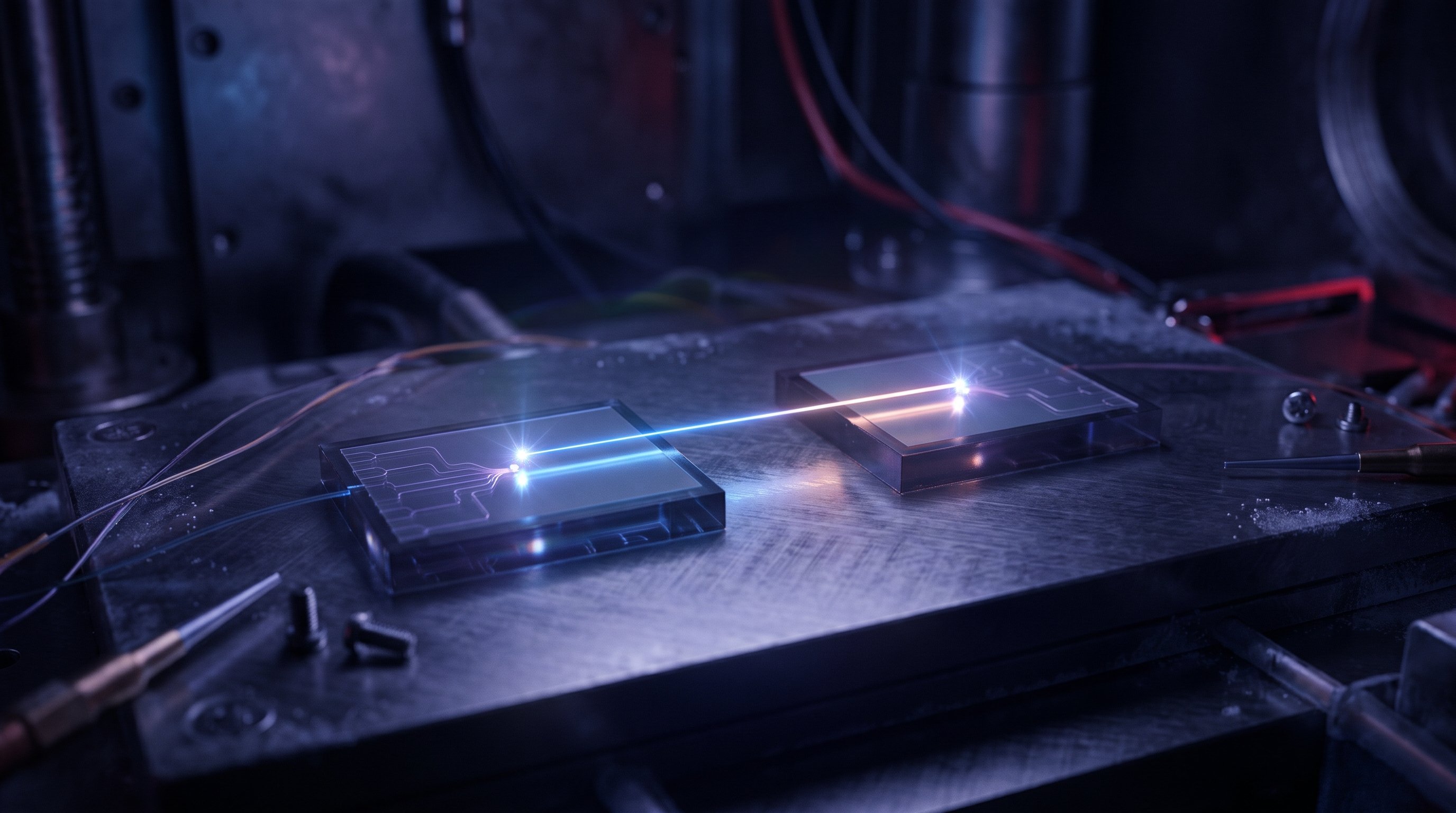
German company makes a molecule that stores quantum information and can pass it on with light
The German company NVision and researchers from Ulm and Jerusalem describe in Nature a molecule of carbon and hydrogen that stores quantum information and can pass it on with light. Such a building block could later link quantum computers together.
-
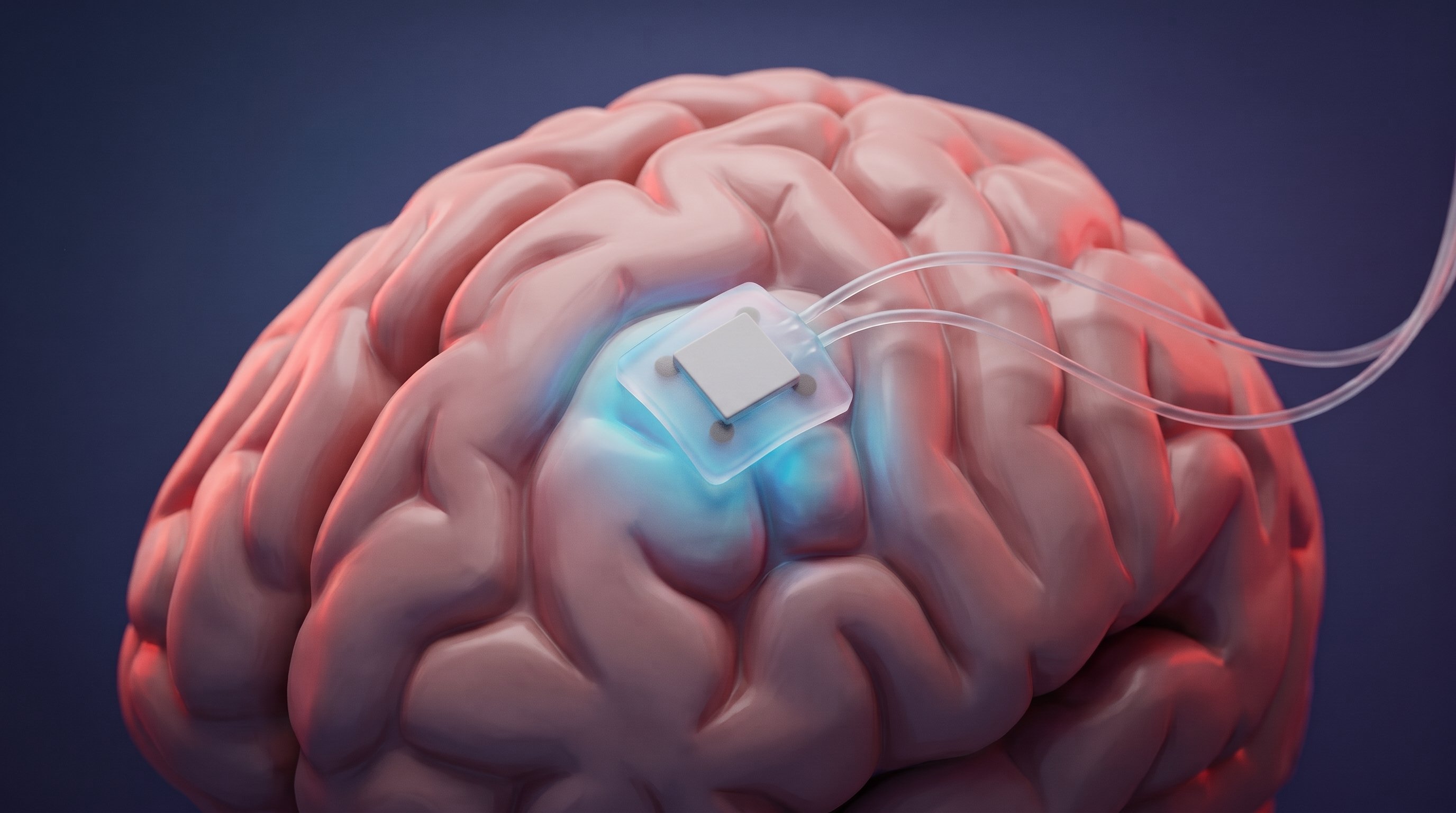
Soft 3D-printed implant cools a small patch of brain and calms epileptic activity in rats
Researchers from Dresden, Sheffield and Limerick have printed a soft implant that cools a small patch of brain and measures brain activity at the same time. In rats, the cooling calmed seizure-like activity in the brain for as long as it was switched on.
-
Mistral releases a giant AI model for anyone to use, strong in coding and security
France's Mistral is putting Mistral Large 4, nicknamed Le Chonk, online for free: a model with a trillion parameters that anyone can download and, with enough computers, run themselves. According to the company, it is the best open model for programming and for securing software.
-
Lam Research and imec make ultra-fine ruthenium chip wiring in a single exposure
Lam Research and the Belgian research centre imec made metal chip wiring with lines that, together with the gap between them, are 20 nanometres wide, in a single exposure on the newest type of ASML machine. All short-circuit test structures worked. The next step is production.
-
Block builds a speech model that learned to talk just by listening to conversations
Block, Jack Dorsey's company, has shown Dessa: an AI model that learned to talk without any text, only from recordings of conversations. It listens and speaks at the same time and runs on a powerful laptop. A small group of safety researchers is now the first to test it.
-
SpaceX leases 40 billion dollars' worth of AI chips
SpaceX has signed a binding commitment to lease about 40 billion dollars' worth of AI chips and data centre equipment, including Nvidia's new Vera Rubin chips. The first equipment is due in the first half of 2027.
-
Bismuth sulfide holds on to solar energy for longer: charge is lost about four times more slowly
Researchers at the University of Oxford have found out why bismuth sulfide captures sunlight well and also holds on to the charge for a long time. That gives a recipe for finding better, non-toxic materials for solar cells.