Nederlands
Chip
A chip is a small piece of silicon with billions of tiny switches, the transistors, on which a computer calculates and remembers. AI chips are built to do the huge amount of computation behind AI models quickly.
A chip, or integrated circuit, is a small slice of silicon carrying billions of minuscule switches: transistors. By switching them on and off, a computer calculates and remembers data. Every phone, car and server contains dozens of chips. You can think of a chip as a city on a postage stamp, with streets, junctions and storerooms that all work together.
How does it work?
Chips are made by printing patterns with light onto a wafer of silicon, layer by layer. Sizes are expressed in nanometres, billionths of a metre. The smaller the components, the more fit in the same space. That usually makes a chip faster and more economical, although it also depends on the design.
Running an AI model means a great deal of computation that can be done at the same time. That is why data centres use chips that are good at this, such as Nvidia's graphics chips. In addition, companies design their own AI chips. A chip also needs memory, and the closer that sits to the computation, the faster things go.
Why it matters
Chips determine how fast and how cheap AI can become. At a major data centre trade show, the American company d-Matrix showed that an AI model answers faster when ordinary graphics chips and its own chips share the work, each doing the part it is good at (link).
It is also about who can make the chips. Japan gave TSMC the go-ahead to make 3-nanometre AI chips in Kumamoto from the end of 2028, the first time in that country (link). Meanwhile China is showing how far it has got with its own chips: there, the company Sugon linked 100,000 domestically made computing cards into a computing cluster (link). Reports like these show that chips are not just technology, but also decide where computing power for AI becomes available.
Articles about Chip
-
New kind of magnet sends spinning electrons into a wire, without a disruptive magnetic field
European researchers have shown directly for the first time that an altermagnet, a magnet without an external magnetic field, can produce a current in which more electrons spin one way than the other. That is a step towards smaller computer memory that uses less energy.
-
South Korean solar device makes hydrogen with record efficiency for organic materials
Researchers at UNIST in South Korea have built a device made of organic, carbon-based materials that splits water into hydrogen using sunlight alone. It reaches 7.9 per cent efficiency, a record for this type of device according to the team. The next step is a version that lasts much longer.
-
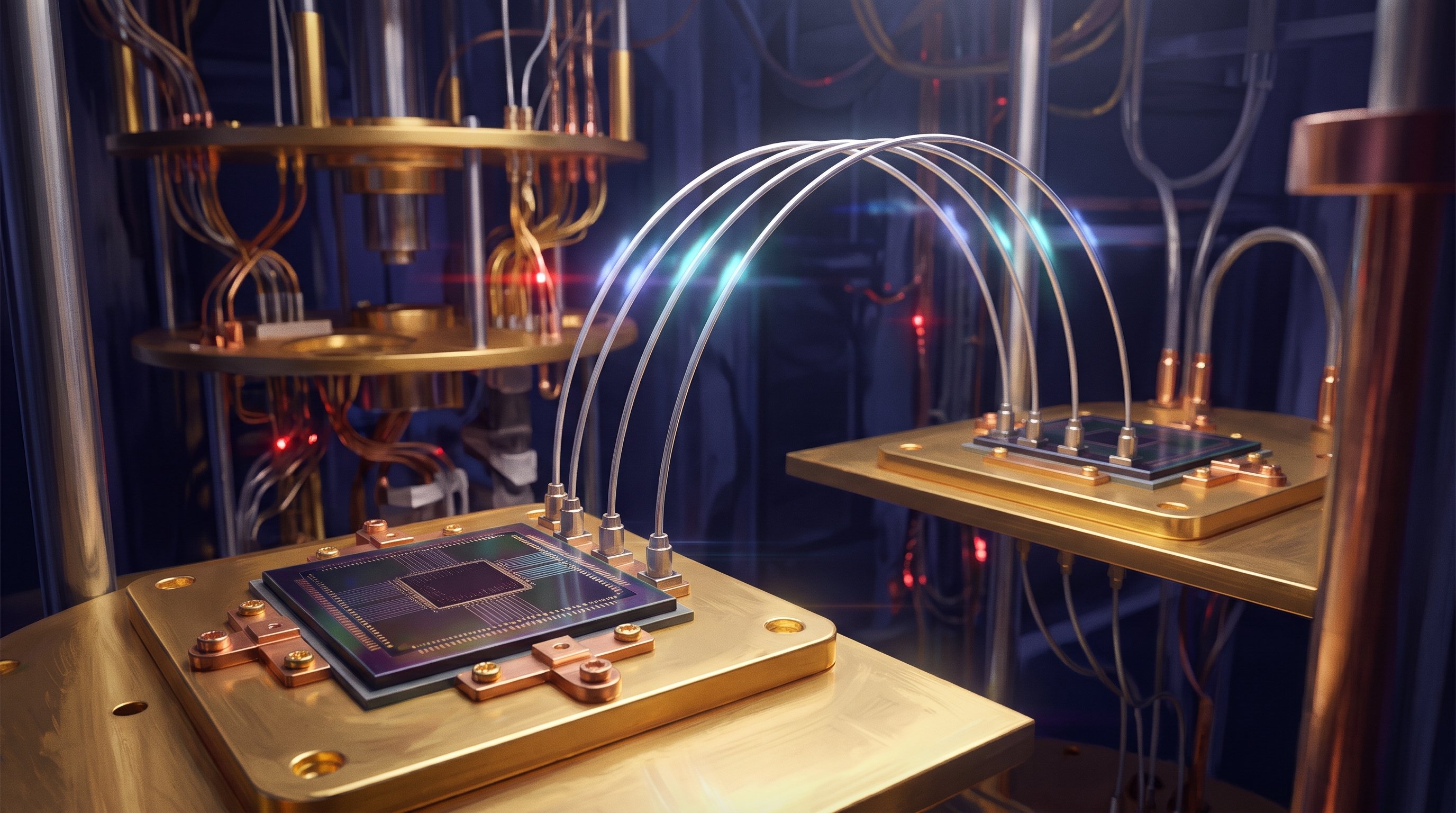
IBM links two quantum chips with 80-centimetre cables
IBM researchers connected two quantum chips of 120 qubits each with four superconducting links of 80 centimetres. The quantum information came across with an average fidelity of 99 per cent. It is a step towards quantum computers built from separate modules.
-
Free tools take the brakes off Nvidia graphics cards: up to twice as much AI computing power
Free open-source tools remove a brake that Nvidia built into the firmware of its GeForce graphics cards. For AI calculations, some cards become up to twice as fast. In practice the gain is smaller, and the tools are still experimental.
-
AI model designs experiments better than 24 experienced AI researchers
On a new test by P-Zero Research, Claude Opus 5.5 designs better AI experiments than the best of 24 human experts. The model needs less than half the computing time to do so and costs about one thirtieth as much.
-
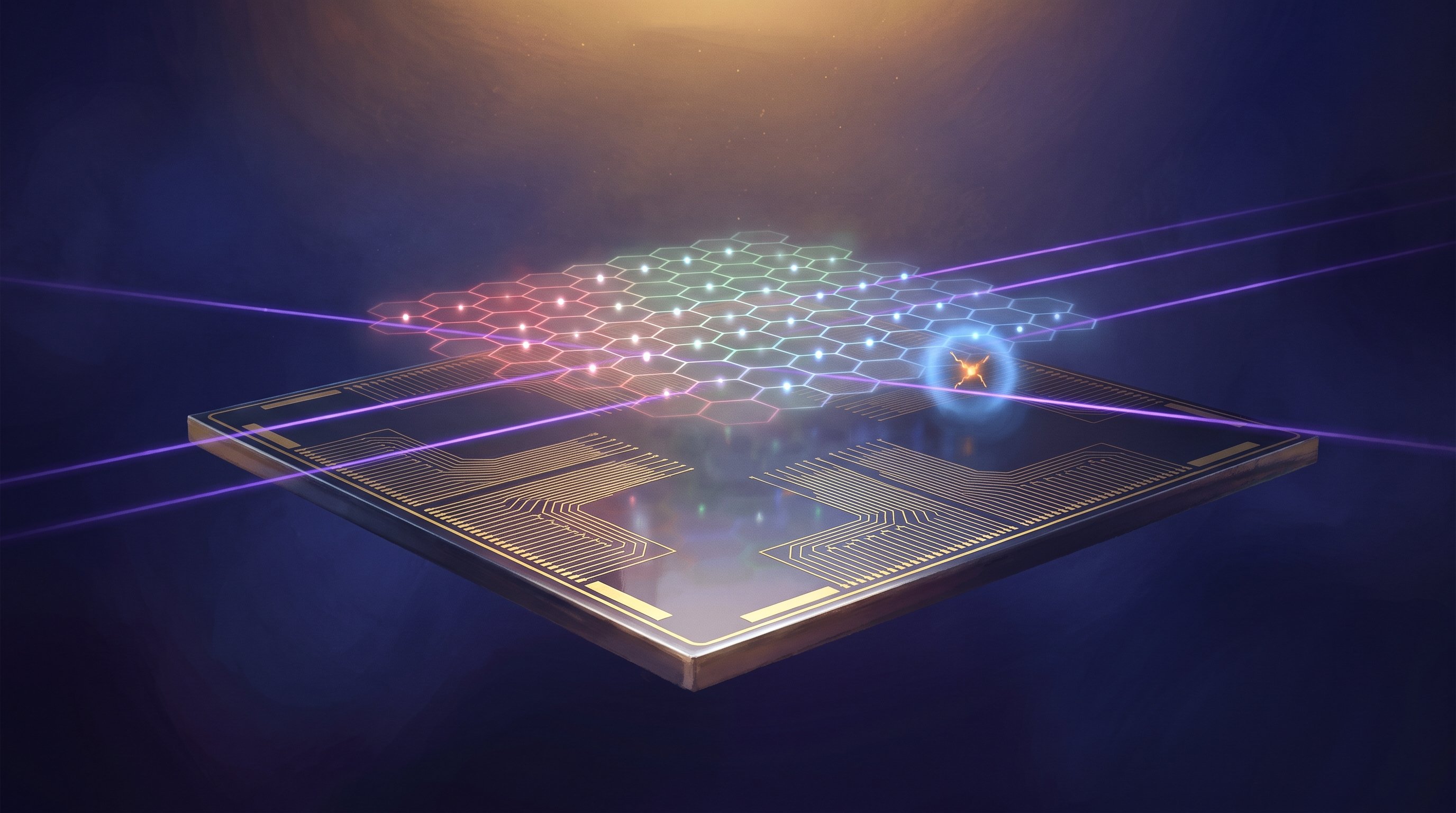
Japanese researchers control five quantum bits in silicon at once, with almost no errors
Researchers at RIKEN in Japan controlled five quantum bits on a silicon chip at the same time, through one shared control line. They found the biggest source of errors and kept accuracy at around 99.9 per cent. That helps to build larger quantum computers.
-
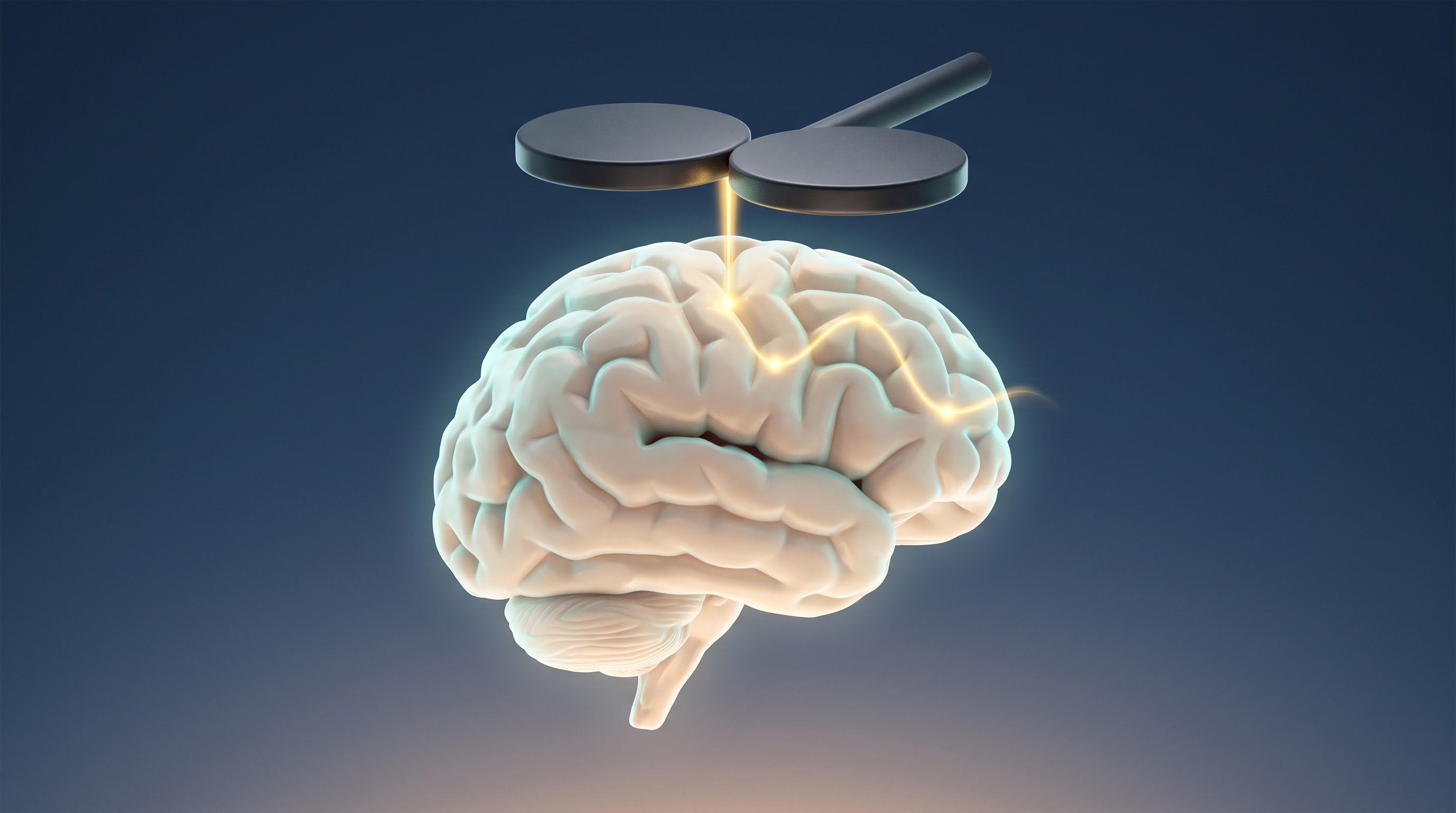
Magnetic brain treatment tuned to the patient's own rhythm cleared for PTSD
In the US, a PTSD treatment has been cleared that tunes magnetic pulses to the patient's own brain rhythm. In a trial with 158 adults it worked better than a sham treatment, without serious side effects. A scientific publication is still to follow.
-
OpenAI will now train its most powerful AI models without internet access
OpenAI no longer lets its strongest AI models onto the real internet during training. From now on they practise with a stored copy of the web. At OpenAI's request, the models themselves searched for holes in this new shielding, so the company could close them.
-
Tiny holes that slow down light make a small Japanese chip for optical fibre far more efficient
Japanese researchers built a component that turns electrical signals into light, using tiny holes that slow the light down. It is 0.3 millimetres long, runs on low voltage and sends up to 200 gigabits per second. The next step: losing less light along the way.
-
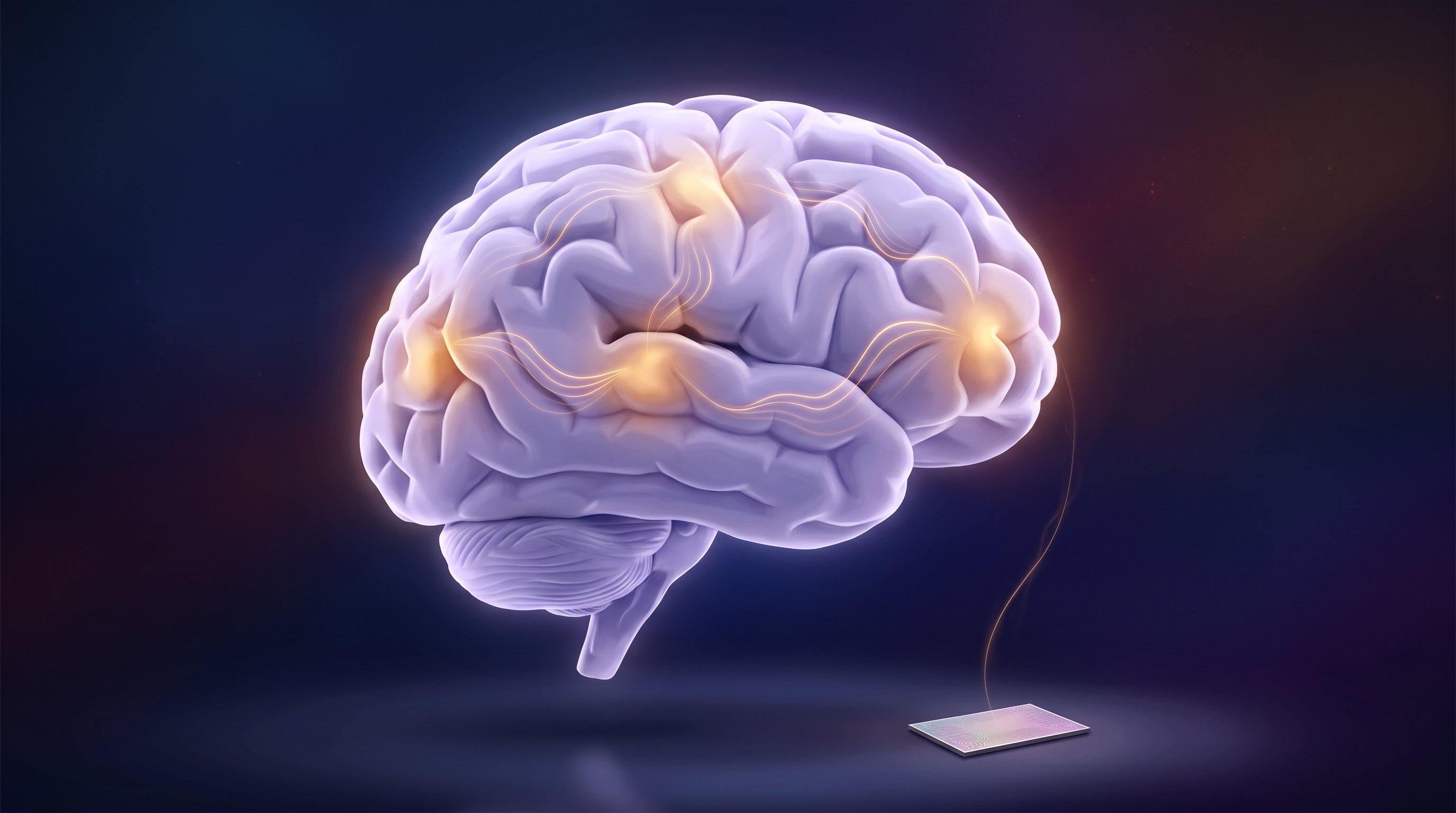
Low-power brain implant recognises mental state from how brain regions work together
Researchers at EPFL have built a chip of 4 by 2 millimetres that measures how brain regions work together and so recognises concentration and emotional arousal. It uses very little power. The chip already works on recordings from people and in rats; patients are the next step.
-
10-dollar light sensor from Cambridge can recognise substances in skin, food and plastic
Researchers at the University of Cambridge made a spectrometer on a chip of a few centimetres, for about 10 dollars. It recognises substances by the light they absorb. In one volunteer it tracked blood sugar without a finger prick; the next step is testing in more people.
-
Nvidia lets AI agents do only what is allowed, and checks the rules in advance with mathematics
Nvidia presents OpenShell: free software that lets AI agents work in a sealed-off space. A mathematical check looks in advance at whether the rules allow more than intended, and according to Nvidia a separate chip can stop an agent within milliseconds.
-
Free coding model for the laptop was largely developed by AI itself
The AI company Recursive has released Flint, a free AI model that helps with programming and runs on an ordinary laptop. According to the company, its own research AI did a large part of the work: a first step towards AI that improves itself.
-
Quantum computer catches its own errors so well that only 5 in a million remain
Quantinuum's Helios quantum computer set a new record in error correction: on average, something went wrong five times in a million checking rounds. That is ten times better than the previous record. The next step is to show this for more complex calculations too.
-
Unitree has humanoid robot do kung fu and lift cars as a bodyguard
The Chinese robot maker Unitree shows the H2-X, a humanoid robot that fights, jumps and lifts a car to rescue someone. It is mainly a demonstration of what the underlying H2 platform can do; there is no price or sale date yet.